
Easter symbols are everywhere once spring arrives. Colorful eggs sit in baskets, rabbits appear in shop windows, and lilies decorate churches and homes. Yet behind these familiar images lies a deeper story filled with faith, rebirth, hope, and human emotion. For many families, Easter is not only a religious celebration but also a season of renewal, love, and fresh beginnings.
Across generations and cultures, people have used symbols to express feelings words cannot fully explain. Easter symbols connect ancient traditions with modern celebrations, blending Christianity, nature, folklore, and psychology into one meaningful experience. Some symbols represent the resurrection of Jesus Christ, while others celebrate fertility, life, and the arrival of spring.
From Europe to Africa, from the United States to Asia, Easter traditions carry unique meanings while sharing one universal message: life can begin again. Understanding these symbols adds emotional depth to every Easter celebration and helps people appreciate why these traditions continue to touch hearts around the world.
The Meaning of Easter Symbols and Why They Matter
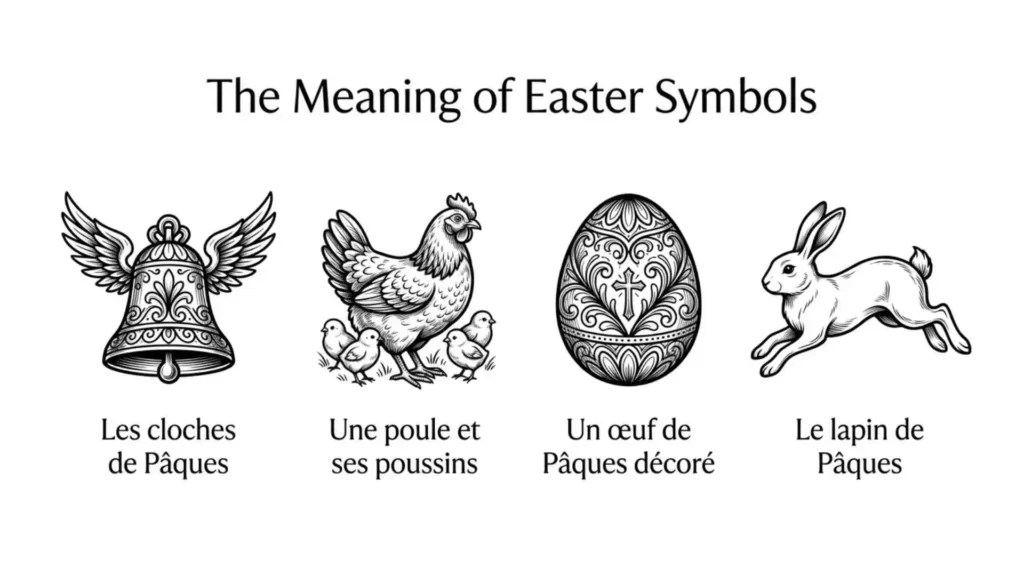
Symbols help people understand powerful ideas through simple images. Easter itself celebrates resurrection, hope, renewal, and victory over darkness. Because these ideas are emotional and spiritual, symbols became an important way to express them.
The meaning of Easter symbols often combines Christian beliefs with ancient spring traditions. Long before modern holidays existed, people celebrated the changing seasons and the return of life after winter. Early Christians later connected many of these symbols to the story of Jesus Christ’s resurrection.
Psychologically, Easter symbols give people comfort. They remind us that painful seasons eventually pass and new beginnings are possible. This emotional connection explains why Easter traditions remain meaningful even for people who celebrate it culturally rather than religiously.
In America, Easter often focuses on family gatherings, Easter egg hunts, and joyful decorations. In Europe, many traditions remain deeply connected to church rituals and historical customs. African Easter celebrations often emphasize community worship and music, while some Asian countries blend Christian symbolism with local cultural traditions.
Did you know? The word “Easter” may come from Eostre, an ancient spring goddess associated with fertility and renewal in early European traditions.
Easter Eggs: The Most Powerful Symbol of New Life
Among all Easter symbols, the egg is perhaps the most recognized and emotionally powerful. The egg represents life emerging from what appears lifeless. In Christianity, it symbolizes the sealed tomb of Jesus Christ and the miracle of resurrection.
For centuries, eggs have been associated with fertility and rebirth. Ancient Persians, Egyptians, Greeks, and Romans viewed eggs as sacred symbols of creation. Early Christians adopted this meaning and connected it to Easter celebrations.
In many Eastern European countries, decorated eggs called pysanky are treated as sacred art. Each color and pattern carries a special message:
- Red symbolizes sacrifice and love
- Gold represents wisdom and prosperity
- Green reflects spring and growth
- White stands for purity and spiritual light
Emotionally, Easter eggs remind people that transformation often happens quietly. Just as life develops unseen inside an egg, personal growth often begins invisibly before becoming visible.
In the United States, Easter egg hunts create feelings of excitement and childhood wonder. In Greece, red eggs are cracked during Easter meals to symbolize Christ breaking free from the tomb. In parts of Africa, eggs are shared during community feasts to celebrate unity and life.
Why Children Love Easter Eggs
Children naturally connect with Easter eggs because they combine mystery, surprise, and reward. Psychologists often explain that searching for hidden eggs stimulates curiosity and joy while creating positive family memories.
The tradition also teaches hope in a playful way. Hidden treasures symbolize blessings waiting to be discovered even during difficult times.
The Easter Bunny: A Symbol of Fertility, Joy, and Abundance
The Easter Bunny may seem unrelated to Christianity at first glance, but its roots go deep into ancient seasonal traditions. Rabbits are known for their ability to reproduce quickly, making them natural symbols of fertility, abundance, and new beginnings.
The Easter Bunny tradition became popular in Germany before spreading to America in the 1700s through German immigrants. Children believed a magical rabbit delivered eggs and treats to well behaved families.
Emotionally, the Easter Bunny represents innocence and happiness. It transforms Easter into a celebration filled with excitement, imagination, and warmth.
Different cultures interpret rabbit symbolism differently:
- In Europe, rabbits symbolize spring fertility and prosperity
- In parts of Asia, rabbits are connected to the moon and spiritual wisdom
- Native American traditions sometimes view rabbits as clever tricksters
- African folklore often portrays rabbits as intelligent survivors
The psychological meaning of the Easter Bunny reflects optimism and playful energy. During spring, people naturally seek emotional renewal after long winter months. Cheerful symbols like rabbits create feelings of hope and positivity.
Did you know? Ancient people believed rabbits could communicate with the spirit world because they lived underground and emerged suddenly into the light.
The Easter Lily: Purity, Hope, and Spiritual Renewal
The white Easter lily is one of the most beautiful Easter symbols used in churches and homes around the world. Its elegant petals and sweet fragrance symbolize purity, resurrection, peace, and divine hope.
According to Christian tradition, lilies grew in the Garden of Gethsemane after Jesus prayed there before his crucifixion. Over time, the flower became closely linked to Easter worship.
The emotional meaning of lilies is especially powerful because they bloom during spring after surviving winter underground. This natural cycle mirrors the Easter message of life returning after death.
In psychology, white flowers often create feelings of calmness, healing, and spiritual clarity. Many people place Easter lilies in their homes because they bring a sense of peace and fresh energy.
Different cultural meanings of lilies include:
- In the USA and Europe, lilies symbolize resurrection and purity
- In China, lilies often represent harmony and long lasting love
- In some African cultures, white flowers symbolize respect for ancestors and spiritual connection
Why Churches Use Easter Lilies
Churches use lilies during Easter services because their trumpet shaped blooms symbolize proclamation and celebration. They visually express joy and victory while creating a sacred atmosphere.
Their bright white color also reflects spiritual cleansing and hope for renewal.
The Cross: The Central Symbol of Easter Faith
The cross is the heart of Easter symbolism in Christianity. While it represents suffering and sacrifice, it also symbolizes victory, forgiveness, love, and eternal life.
Before Christianity, crosses existed in many ancient cultures as spiritual symbols connected to balance, nature, and the universe. Christians transformed the cross into the ultimate representation of Jesus Christ’s death and resurrection.
Emotionally, the cross speaks to human resilience. It reminds believers that pain can lead to transformation and that love can overcome darkness.
Different forms of Easter crosses carry unique meanings:
- Empty crosses symbolize resurrection and triumph
- Wooden crosses represent humility and sacrifice
- Flower covered crosses symbolize life emerging from suffering
In Europe and Latin America, Easter processions often carry large decorated crosses through streets. In African churches, colorful crosses symbolize joy and community strength. In America, the cross remains central to Easter worship services and personal faith practices.
Psychologically, symbols like the cross help people process grief, hope, and healing. They create emotional meaning during difficult life experiences.
Did you know? Some historians believe the earliest Christians secretly used simple cross shapes to identify safe meeting places during persecution.
Baby Chicks and Lambs: Innocence and Fresh Beginnings
Baby animals are common Easter symbols because they naturally represent innocence, gentleness, and new life. Chicks breaking out of eggs symbolize rebirth, while lambs reflect purity and sacrifice.
In Christianity, Jesus is often called the “Lamb of God,” making lamb imagery deeply connected to Easter traditions. Lambs symbolize peace, devotion, and spiritual innocence.
Chicks, on the other hand, emotionally connect people with the fragile beauty of life beginning again. Their appearance during spring reinforces themes of renewal and growth.
Across cultures:
- American Easter decorations often feature fluffy chicks and lamb toys
- In Europe, roasted lamb is a traditional Easter meal
- In Middle Eastern traditions, lamb symbolizes hospitality and blessing
- Some African Christian communities use lamb symbolism in Easter storytelling and worship songs
The Psychological Meaning of Baby Animal Symbols
Humans naturally feel protective toward baby animals. Their small size and vulnerability trigger emotional warmth and empathy. This is why Easter imagery often includes soft, gentle creatures that create feelings of comfort and joy.
These symbols remind people to embrace kindness, care, and emotional renewal.
Easter Candles and Light: Victory Over Darkness
Light has always symbolized hope. During Easter celebrations, candles represent the resurrection of Jesus and the triumph of life over darkness.
In many churches, the Paschal candle is lit during Easter services to symbolize divine light entering the world. This tradition is especially meaningful because it occurs after the darkness of Good Friday.
Emotionally, candlelight creates feelings of peace, reflection, and spiritual comfort. People often light candles during difficult moments because flames symbolize guidance and strength.
Cultural interpretations of Easter light symbols include:
- In Europe, candle processions symbolize spiritual awakening
- In African communities, fire often represents community unity and ancestral blessing
- In Asian Christian traditions, candles symbolize enlightenment and inner peace
- In American homes, candles create warm family centered Easter celebrations
Did you know? In some countries, families keep Easter candles burning overnight as a symbol of protection and blessing for the home.
Palm Branches: Peace, Triumph, and Spiritual Victory
Palm branches are strongly connected to the Easter season through Palm Sunday, which marks Jesus entering Jerusalem before his crucifixion.
Crowds welcomed him by waving palm branches, a symbol traditionally associated with victory and honor. Today, palms represent peace, spiritual triumph, and faithful devotion.
In ancient Rome and Greece, victorious athletes and military leaders received palm branches as signs of success. Christians later connected this symbolism to spiritual victory and eternal life.
Emotionally, palm branches inspire feelings of peace and hope during times of uncertainty. Their graceful appearance reflects calmness and resilience.
In different regions:
- European churches often weave palm leaves into decorative crosses
- In Africa, palm branches may be used in celebratory processions with music and dance
- In tropical countries, real palms create vibrant Easter celebrations
- American churches frequently distribute palm leaves during worship services
Why Palm Symbols Still Matter Today
Modern life often feels stressful and disconnected. Palm branches remind people to seek peace, humility, and spiritual focus instead of constant pressure and conflict.
Their symbolism encourages emotional balance and faith during challenging seasons.
The Butterfly: Transformation and Resurrection
The butterfly is one of the most touching Easter symbols because its life cycle perfectly reflects transformation and resurrection.
A caterpillar enters a cocoon appearing lifeless before emerging as a beautiful butterfly. Christians often compare this process to resurrection and spiritual rebirth.
Psychologically, butterflies symbolize personal growth, healing, and emotional freedom. Many people feel deeply connected to butterflies during times of change or recovery.
Cultural meanings include:
- In Christianity, butterflies symbolize resurrection and eternal life
- In Japan, butterflies often represent the human soul
- In Mexico, butterflies are associated with returning spirits and remembrance
- In African folklore, butterflies may symbolize endurance and adaptation
Did you know? Ancient Greeks used the same word for “soul” and “butterfly,” showing the deep spiritual connection people felt toward this symbol.
Easter Symbol Colors and Their Hidden Meanings
Colors play a major role in Easter traditions and carry powerful emotional meanings.
White
Represents purity, peace, holiness, and spiritual renewal.
Purple
Symbolizes royalty, sacrifice, reflection, and spiritual preparation.
Gold
Reflects glory, celebration, divine wisdom, and victory.
Green
Represents nature, growth, healing, and fresh beginnings.
Red
Symbolizes love, sacrifice, courage, and resurrection.
Color psychology strongly affects emotions during Easter celebrations. Soft spring colors create feelings of calmness and happiness, while bright colors inspire energy and optimism.
Frequently Asked Questions About Easter Symbols
What is the most important Easter symbol?
The cross is considered the central Easter symbol in Christianity because it represents the death and resurrection of Jesus Christ.
Why are eggs associated with Easter?
Eggs symbolize new life, rebirth, and resurrection. Early Christians connected the egg to the empty tomb of Jesus.
What does the Easter Bunny represent?
The Easter Bunny symbolizes fertility, abundance, joy, and the arrival of spring.
Why are lilies used during Easter?
Easter lilies represent purity, hope, resurrection, and spiritual renewal because they bloom beautifully during spring.
What do butterflies symbolize at Easter?
Butterflies symbolize transformation, resurrection, and personal growth through their life cycle.
Are Easter symbols the same worldwide?
No. Different cultures add their own traditions and meanings, though most Easter symbols share themes of hope, renewal, and life.
What colors are most connected to Easter symbolism?
White, purple, gold, green, and red are commonly associated with Easter because each color represents spiritual and emotional themes.
Conclusion
Easter symbols carry far more meaning than simple holiday decorations. They tell stories of hope, transformation, love, sacrifice, and renewal that connect deeply with human emotions across cultures and generations. Whether it is the quiet beauty of a lily, the joyful excitement of Easter eggs, or the spiritual strength represented by the cross, each symbol reflects humanity’s desire for fresh beginnings and inner peace.
These traditions continue to survive because they speak to universal experiences. People everywhere understand the longing for healing after hardship and light after darkness. Easter symbols remind us that renewal is always possible, both spiritually and emotionally.
As families gather, children laugh during egg hunts, and candles glow in churches and homes, these timeless symbols continue to inspire faith, connection, and hope around the world.

Amelia Scott is a passionate writer and symbolism researcher who explores the hidden meanings behind ancient signs, spiritual icons and cultural symbols. She enjoys uncovering the stories and mysteries connected to symbols from around the world.
She is the author of “Mystic Marks And Secret Meanings” and “Echoes Of Forgotten Symbols”. Her work combines history, spirituality and mythology to help readers better understand the deeper meaning of symbols in everyday life.
Through her writing, Amelia aims to make the world of symbols fascinating, meaningful and easy to explore.