
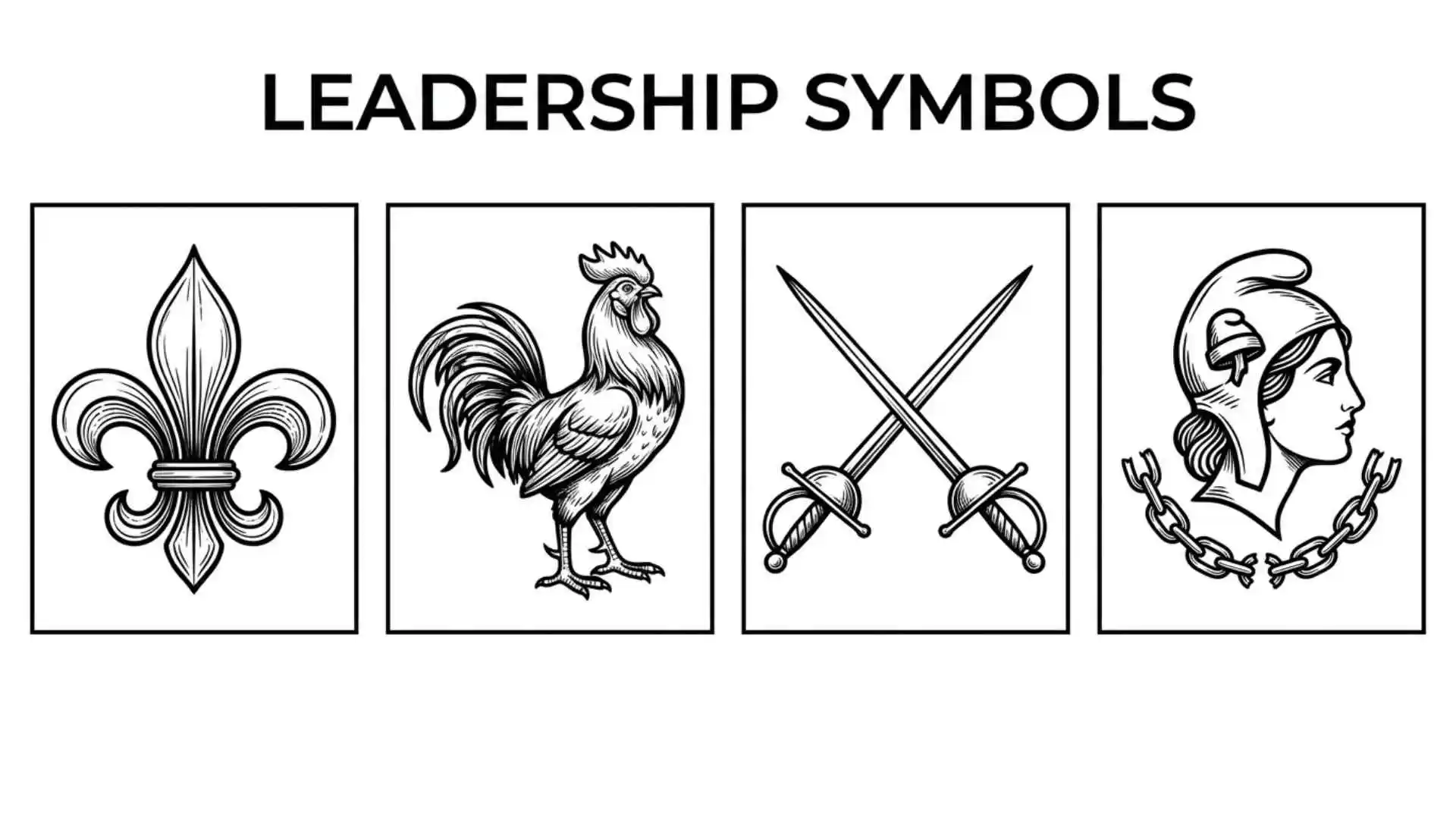
Leadership symbols have shaped human history for thousands of years. From ancient kings carrying scepters to modern companies using lions, eagles, and crowns in their branding, symbols quietly influence how people see authority, confidence, and vision. A single image can communicate strength faster than words ever could. That is why leadership symbols remain powerful in politics, business, spirituality, and personal growth.
Think about the leaders you admire most. Chances are, they are connected to a symbol that represents courage, wisdom, protection, or guidance. Humans naturally look for visual signs that create trust and emotional connection. Symbols help people feel safe, inspired, and united around a common purpose.
Across cultures in the USA, Asia, Africa, and Europe, leadership symbols carry different stories but often share similar meanings. Some represent bravery in battle, while others symbolize wisdom, balance, or spiritual authority. Understanding these symbols can help people become stronger leaders and better communicators in everyday life.
In this guide, you will discover the most powerful leadership symbols, their deeper meanings, cultural roots, emotional psychology, and how they still influence modern society today.
Why Leadership Symbols Matter in Human Psychology
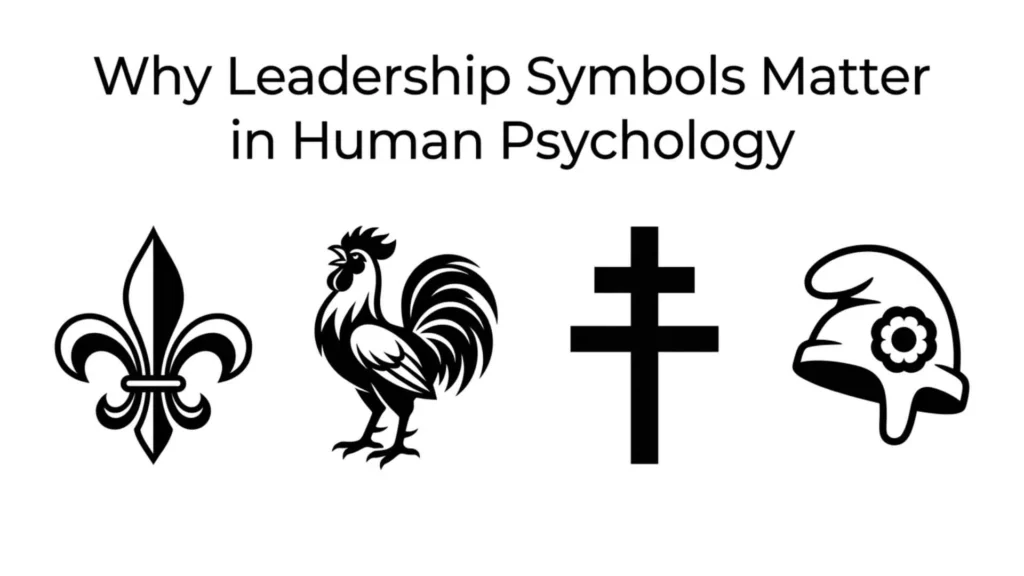
Leadership is not only about giving orders or managing people. It is deeply emotional. People follow leaders because they feel trust, protection, confidence, and inspiration. Symbols help create those emotions instantly.
The human brain responds strongly to visual meaning. Ancient civilizations understood this long before modern psychology existed. That is why rulers wore crowns, warriors carried banners, and tribes used animal totems.
Leadership symbols work because they represent qualities people naturally admire:
- Strength
- Wisdom
- Courage
- Stability
- Protection
- Vision
- Unity
When people see these symbols repeatedly, they begin associating those values with the leader or organization behind them.
Did you know? Studies in behavioral psychology show that visual symbols can influence trust and decision making faster than spoken language.
Today, leadership symbols appear everywhere:
- National flags
- Company logos
- Military emblems
- Sports teams
- Religious imagery
- Motivational tattoos
- Personal branding
These symbols continue shaping emotional perception in powerful ways.
The Lion as a Timeless Symbol of Leadership
Among all symbols of leadership, the lion stands above most others. Known as the “King of the Jungle,” the lion represents courage, authority, dominance, and protection.
Historical Meaning of the Lion
The lion has appeared in leadership imagery for thousands of years:
- Ancient Egypt connected lions with royal power
- European kings used lions on shields and family crests
- African cultures viewed lions as guardians and warriors
- Asian traditions associated lions with protection and spiritual strength
In medieval Europe, noble families proudly displayed lions on coats of arms to show bravery and honor.
Emotional Meaning of the Lion
Psychologically, lions represent:
- Fearlessness
- Confidence
- Protective leadership
- Loyalty to community
- Inner strength
People naturally respect lion imagery because it communicates authority without needing explanation.
Leadership Lessons from the Lion
The lion teaches leaders to:
- Stay calm under pressure
- Protect their people
- Lead with confidence
- Balance power with responsibility
Modern businesses often use lion symbols because customers associate them with trust and strength.
The Eagle as a Symbol of Vision and Freedom
The eagle is one of the most recognized leadership symbols in the world. It represents vision, intelligence, independence, and spiritual elevation.
Cultural Importance of the Eagle
In the United States, the bald eagle symbolizes national power and freedom. Native American traditions viewed the eagle as a messenger between humans and the spiritual world.
In Ancient Rome, eagle standards represented military leadership and victory. Across Europe, many royal empires used eagle imagery to symbolize dominance and far reaching vision.
Asian cultures also admire the eagle for focus, discipline, and sharp awareness.
Psychological Meaning of the Eagle
The eagle represents:
- Big picture thinking
- Mental clarity
- Ambition
- Focus
- Strategic leadership
Unlike the lion, which symbolizes grounded power, the eagle represents higher perspective and future vision.
What Leaders Can Learn from the Eagle
Strong leaders must rise above daily chaos and focus on long term goals. The eagle reminds people to:
- Think strategically
- Stay focused on vision
- Rise above distractions
- Lead with wisdom instead of fear
Did you know? Eagles can spot prey from several kilometers away, which is why they became symbols of foresight and awareness.
The Crown and Scepter as Ancient Leadership Symbols
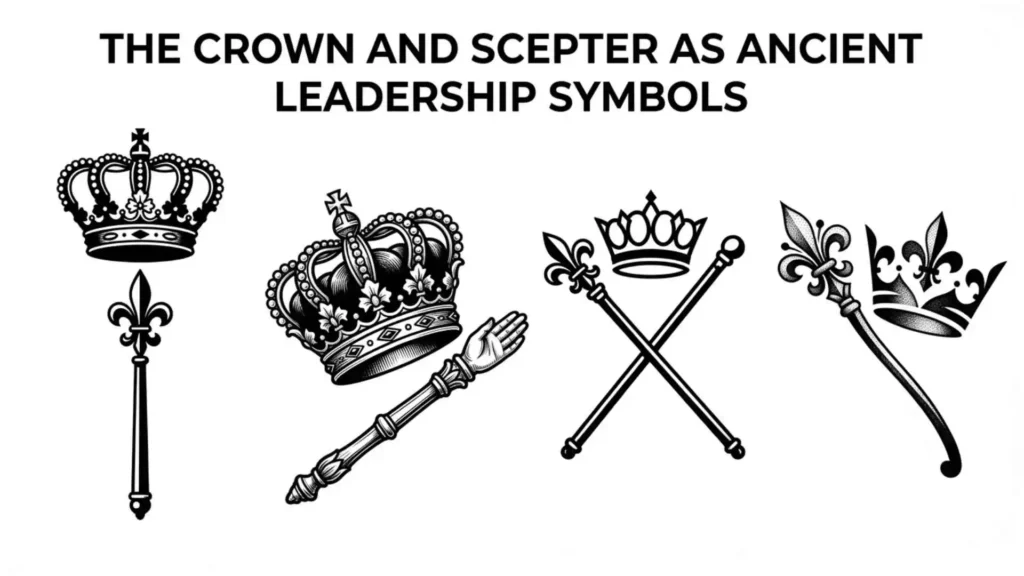
No symbol represents authority more clearly than the crown. Throughout history, crowns and scepters have represented divine leadership, responsibility, and legitimacy.
Origin of Crowns in Leadership
Ancient rulers in Egypt, Persia, and Europe wore crowns to show their connection to higher power and royal duty. Crowns were never only decorative. They represented:
- Responsibility
- Sacred authority
- Protection of the people
- Wisdom and justice
The scepter often accompanied the crown and symbolized control, guidance, and order.
Emotional Meaning of the Crown
People emotionally associate crowns with:
- Respect
- Achievement
- Honor
- Leadership responsibility
Interestingly, modern leadership still uses crown symbolism. Luxury brands, sports championships, and achievement awards often include crowns to communicate excellence.
Leadership Lessons from Crown Symbolism
A true leader does not wear power for ego. The crown reminds leaders that authority comes with accountability.
Great leaders:
- Serve others
- Make fair decisions
- Carry responsibility with humility
- Inspire trust
The Wolf as a Symbol of Intelligent Leadership
The wolf is one of the most misunderstood symbols of leadership. While some people connect wolves with danger, many cultures admire wolves for intelligence, teamwork, and loyalty.
Wolves in Cultural Symbolism
Native American traditions respected wolves as teachers and guides. In Norse mythology, wolves symbolized power and survival.
In modern leadership psychology, wolves represent strategic leadership and group unity.
Emotional and Psychological Meaning
Wolves symbolize:
- Loyalty
- Team leadership
- Instinct
- Communication
- Survival under pressure
Unlike lions, wolves succeed through teamwork rather than dominance alone.
Leadership Lessons from Wolves
The wolf teaches that strong leadership is not about controlling others. It is about building trust and guiding a united group toward success.
Modern workplaces increasingly value this leadership style:
- Collaboration
- Emotional intelligence
- Communication
- Shared vision
Did you know? Wolf packs survive because each member has a role and protects the group together.
The Dragon as a Symbol of Power and Wisdom
Dragons appear in leadership symbolism across many cultures, especially in Asia.
Eastern vs Western Dragon Meanings
In Western mythology, dragons often represented danger or chaos. Heroes defeated dragons to prove courage.
In Chinese and Japanese culture, dragons symbolize:
- Wisdom
- Fortune
- Power
- Prosperity
- Divine leadership
Chinese emperors used dragon imagery to show heavenly authority and balance.
Emotional Meaning of Dragons
Dragons emotionally represent:
- Fearless transformation
- Inner power
- Mystical wisdom
- Protection
People are drawn to dragon symbols because they combine strength with mystery.
Leadership Lessons from the Dragon
The dragon teaches leaders to:
- Embrace change
- Lead with wisdom
- Protect their vision
- Balance strength with intelligence
Modern entrepreneurs often use dragon symbolism to represent innovation and unstoppable ambition.
The Tree as a Symbol of Stable and Wise Leadership
Not all leadership symbols are aggressive or dominant. The tree represents grounded leadership, patience, and long term growth.
Cultural Importance of Trees
Across Africa, Europe, and Asia, sacred trees symbolized wisdom and community connection.
The Tree of Life appears in many spiritual traditions and represents:
- Growth
- Stability
- Wisdom
- Connection
- Renewal
Psychological Meaning of the Tree
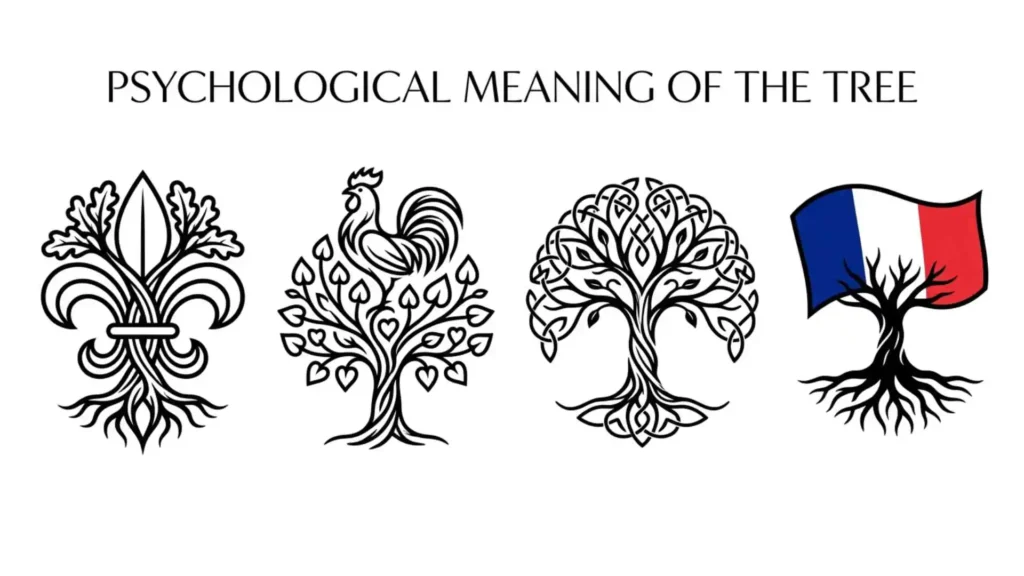
Trees emotionally communicate:
- Safety
- Patience
- Reliability
- Inner balance
Unlike fast moving symbols like eagles or dragons, trees remind leaders that lasting success takes time.
Leadership Lessons from the Tree
The best leaders create strong roots before seeking expansion.
Tree symbolism teaches:
- Patience during challenges
- Deep community connection
- Consistency
- Sustainable growth
Did you know? Some ancient trees survive for thousands of years, making them natural symbols of endurance and legacy.
The Phoenix as a Symbol of Resilient Leadership
The phoenix is one of the most emotionally powerful symbols of leadership because it represents rebirth after failure.
Origin of the Phoenix Symbol
The phoenix appears in Ancient Egyptian, Greek, and Asian mythology. The legendary bird burns in flames and rises again stronger than before.
This powerful image became associated with:
- Survival
- Transformation
- Hope
- Renewal
Psychological Meaning of the Phoenix
The phoenix emotionally resonates with people who have overcome:
- Failure
- Loss
- Hardship
- Personal struggles
In leadership psychology, resilience is one of the most admired traits.
Leadership Lessons from the Phoenix
The phoenix reminds leaders that failure does not define them. Recovery and growth matter more than perfection.
Great leaders:
- Learn from setbacks
- Adapt quickly
- Inspire hope during difficult times
- Turn pain into wisdom
This is why phoenix imagery is common in motivational branding and personal transformation journeys.
The Elephant as a Symbol of Wisdom and Responsible Leadership
The elephant symbolizes intelligent leadership, memory, loyalty, and emotional strength.
Cultural Meaning of Elephants
In India and many African cultures, elephants are deeply respected. They symbolize:
- Wisdom
- Protection
- Family leadership
- Patience
- Royal power
In Hindu tradition, Lord Ganesha represents wisdom, success, and the removal of obstacles.
Emotional Meaning of the Elephant
Elephants emotionally connect with people because they show:
- Calm authority
- Emotional intelligence
- Compassion
- Stability
Unlike aggressive leadership symbols, elephants represent gentle strength.
Leadership Lessons from the Elephant
Elephants teach leaders to:
- Lead with patience
- Protect their community
- Stay emotionally balanced
- Value wisdom over ego
Did you know? Elephants are known for strong memory and deep social bonds, making them symbols of loyalty and intelligence worldwide.
Leadership Symbols in Modern Branding and Business
Modern companies still rely heavily on leadership symbols because symbols influence trust and perception instantly.
Common Leadership Symbols in Branding
Businesses use symbols like:
- Lions for strength
- Eagles for vision
- Crowns for excellence
- Wolves for teamwork
- Trees for growth
Sports teams, luxury brands, and global organizations carefully choose symbols that emotionally influence audiences.
Why Symbols Matter in Business Psychology
Consumers often connect emotionally with visual identity before reading any message.
Leadership branding works because symbols:
- Create instant recognition
- Build emotional trust
- Communicate values quickly
- Strengthen loyalty
This is why successful leaders often develop personal symbols, logos, or visual identities.
How Different Cultures Interpret Leadership Symbols
USA and Western Cultures
Western leadership symbols often emphasize:
- Independence
- Courage
- Victory
- Authority
Popular symbols include:
- Eagles
- Lions
- Crowns
- Stars
Asian Cultures
Asian traditions focus more on:
- Wisdom
- Harmony
- Spiritual balance
- Prosperity
Common symbols include:
- Dragons
- Tigers
- Cranes
- Bamboo
African Cultures
African symbolism strongly values:
- Community leadership
- Protection
- Ancestral wisdom
- Courage
Popular symbols include:
- Lions
- Elephants
- Sankofa symbols
- Baobab trees
European Traditions
European leadership imagery often comes from royal history and mythology:
- Heraldic lions
- Eagles
- Wolves
- Crowns
- Swords
These symbols continue influencing modern leadership ideals today.
FAQs About Leadership Symbols
What is the most powerful leadership symbol?
The lion is often considered the most powerful leadership symbol because it represents courage, authority, protection, and confidence across many cultures.
Why are animals commonly used as leadership symbols?
Animals naturally display traits humans admire such as strength, loyalty, wisdom, and teamwork. These qualities make animal symbols emotionally powerful.
What does the eagle symbolize in leadership?
The eagle represents vision, freedom, focus, strategic thinking, and higher perspective. It symbolizes leaders who think long term.
Which leadership symbol represents wisdom?
The elephant and tree are commonly associated with wisdom, patience, and emotional intelligence in leadership symbolism.
What does the phoenix symbolize?
The phoenix symbolizes resilience, transformation, rebirth, and the ability to rise stronger after failure or hardship.
Are leadership symbols still important today?
Yes. Leadership symbols remain highly influential in branding, politics, sports, religion, and personal identity because visuals strongly affect human emotions and trust.
How can leadership symbols inspire personal growth?
People often use symbols as reminders of the qualities they want to develop such as courage, resilience, wisdom, or confidence.
Conclusion
Leadership symbols continue shaping human culture because they speak directly to emotion, identity, and trust. Whether it is the fearless lion, the visionary eagle, the resilient phoenix, or the wise elephant, each symbol carries lessons that still matter today. These powerful images remind people what true leadership looks like during success, struggle, and transformation.
Across every culture, leadership is more than authority. It is about protection, wisdom, courage, and connection. Symbols help communicate those values instantly and deeply. They inspire people to rise higher, stay strong through challenges, and guide others with integrity.
Understanding leadership symbols can also help individuals discover their own leadership style. Some people lead with strength, others with wisdom, teamwork, vision, or resilience. The right symbol becomes a personal reminder of the qualities that shape meaningful leadership.
In a world filled with noise and distraction, symbols still carry timeless power because human emotions will always connect with meaningful visual stories.

Joseph Walker is a passionate writer and researcher focused on symbols, hidden meanings, ancient signs, and cultural symbolism from around the world. He enjoys exploring the stories and mysteries behind spiritual icons, mythological signs and historical emblems.
He is the author of “The Power Behind Timeless Symbols”. His work helps readers understand the deeper meanings of symbols in a simple and engaging way.
Through his articles, Joseph aims to make symbolism easier to explore for curious minds and modern readers.