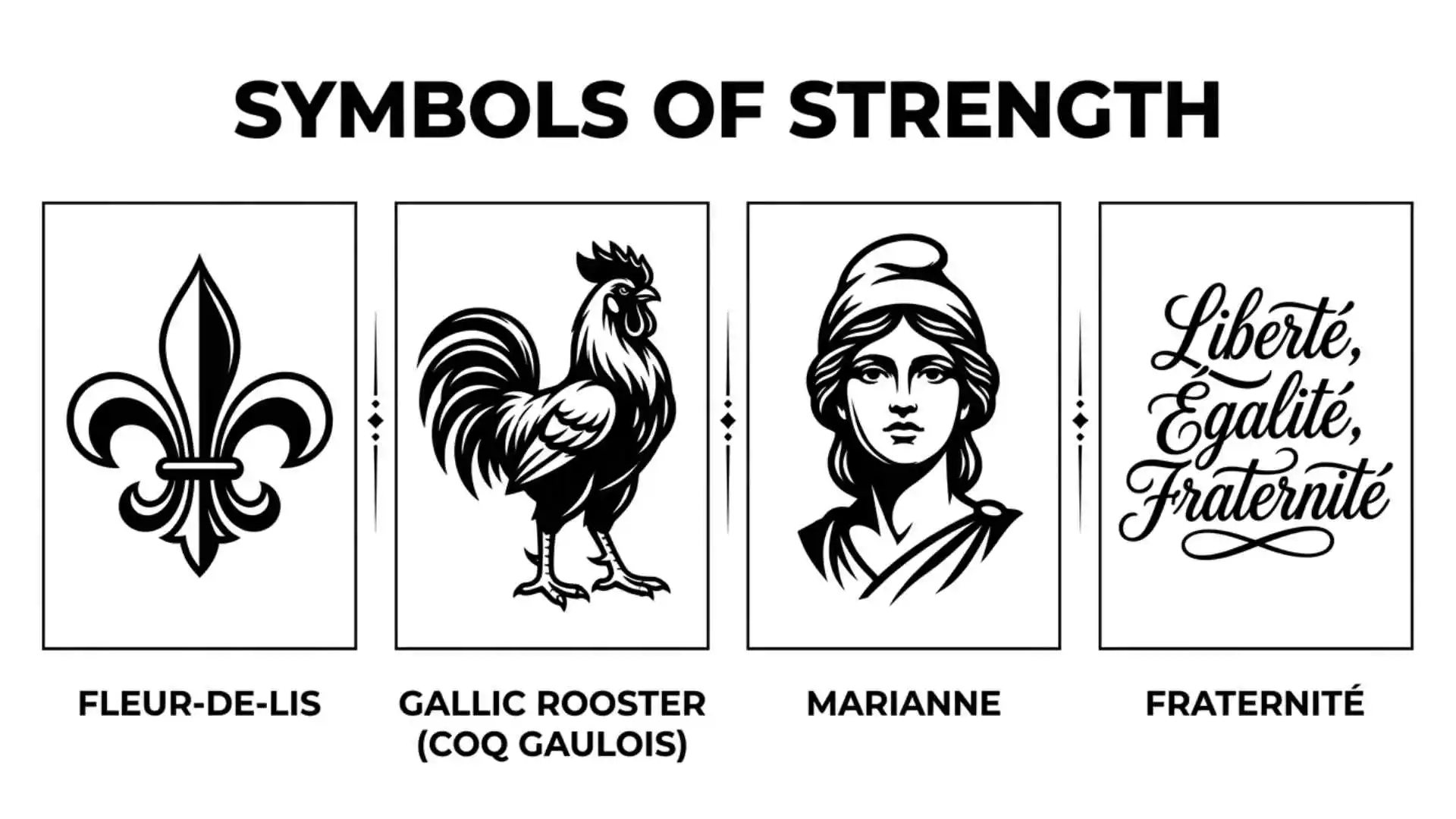
Strength is more than physical power. It is the courage to keep going when life becomes difficult, the resilience to rise after failure, and the determination to face challenges with confidence. Throughout history, people have looked to symbols of strength as reminders of courage, endurance, protection, and personal growth.
From ancient warriors carrying powerful emblems into battle to modern individuals wearing meaningful jewelry and tattoos, these symbols continue to inspire millions around the world. They represent hope during hard times, confidence during uncertainty, and the unwavering spirit that exists within every human being.
Whether you are searching for a personal symbol of resilience, exploring cultural traditions, or simply curious about what represents strength across different civilizations, this guide will help you discover the deepest meanings behind the world’s most powerful symbols of strength.
Why Symbols of Strength Matter in Human Life
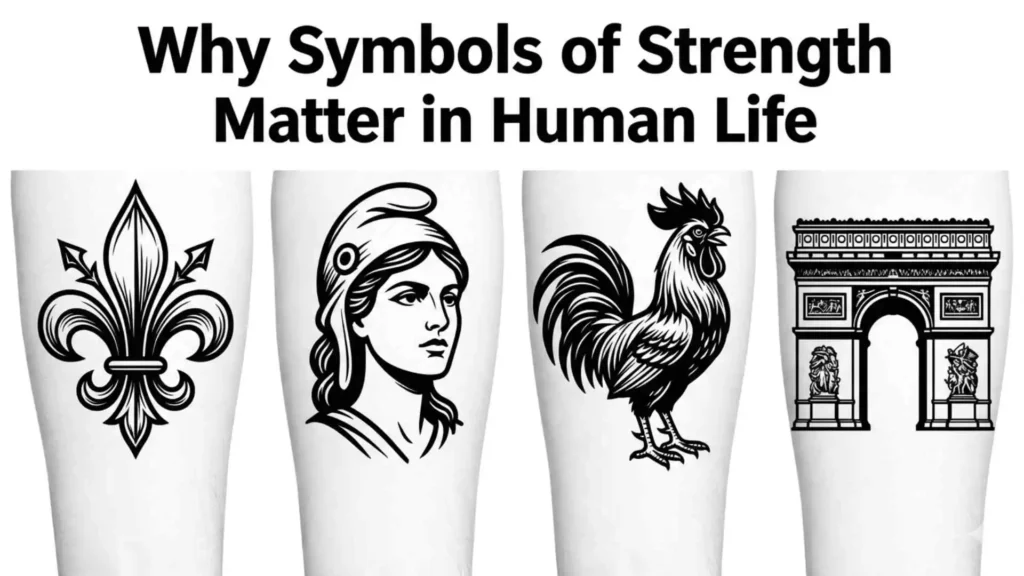
Humans naturally connect with symbols because they communicate emotions and ideas instantly. A simple image can tell a story that words sometimes cannot.
Symbols of strength serve several important purposes:
- They remind us of our inner power.
- They inspire courage during difficult moments.
- They connect us to cultural traditions and history.
- They provide motivation for personal growth.
- They represent survival, resilience, and determination.
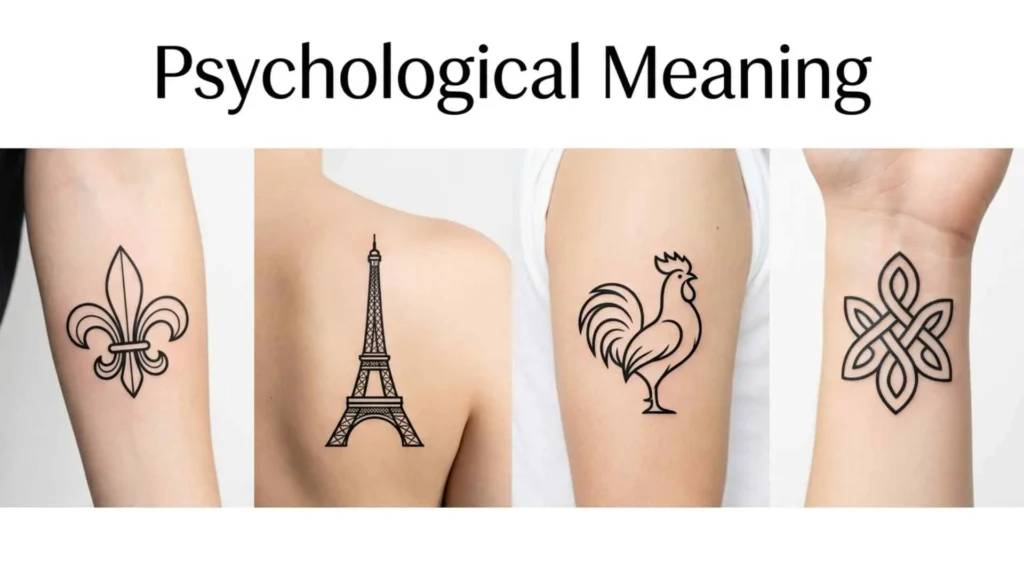
Psychologists often explain that visual symbols can influence mindset. Seeing a meaningful symbol regularly can reinforce positive beliefs and help individuals stay focused on their goals.
In many cultures, symbols of strength are used in art, jewelry, architecture, tattoos, religious ceremonies, and personal rituals because they create a powerful emotional connection.
The Lion: The Universal Symbol of Courage and Leadership
Among all symbols of strength, the lion is perhaps the most recognized worldwide.
Historical Origins
Ancient civilizations such as Egypt, Mesopotamia, Greece, and Rome viewed lions as protectors and rulers. Kings often associated themselves with lions to demonstrate power and authority.
Emotional Meaning
The lion represents:
- Courage
- Confidence
- Leadership
- Fearlessness
- Personal authority
When people choose a lion tattoo, necklace, or artwork, they often want to express their ability to overcome challenges and stand strong under pressure.
Cultural Perspectives
United States and Europe
The lion symbolizes bravery, nobility, and leadership.
Africa
Many African cultures honor the lion as a symbol of protection, wisdom, and community strength.
Asia
In China, guardian lion statues are believed to provide protection and ward off negative energy.
Did You Know?
The lion appears on hundreds of national coats of arms, making it one of the most widely used strength symbols in human history.
The Eagle: Rising Above Challenges
The eagle is another powerful symbol of strength that represents freedom, vision, and resilience.
Ancient Significance
Native American tribes viewed eagles as sacred messengers between humans and the spiritual world. Ancient Romans carried eagle standards into battle as symbols of military strength.
Psychological Meaning
The eagle represents:
- Freedom
- Determination
- Vision
- Success
- Independence
Unlike many animals, eagles fly higher than most birds. This unique characteristic makes them a symbol of rising above obstacles and maintaining perspective during difficult times.
Strength Across Cultures
North America
The bald eagle symbolizes national strength, freedom, and resilience.
Europe
The eagle often appears in royal and military emblems.
Asia
Many cultures associate eagles with spiritual wisdom and courage.
People facing major life transitions often connect with the eagle because it reminds them to look beyond temporary struggles.
The Oak Tree: Strength Through Stability and Endurance
Not all symbols of strength come from animals. The mighty oak tree has represented endurance for thousands of years.
Historical Background
Ancient Celtic and Norse cultures considered oak trees sacred. Their deep roots and massive trunks symbolized stability and lasting power.
What the Oak Tree Represents
- Endurance
- Wisdom
- Longevity
- Grounded strength
- Personal growth
An oak tree withstands storms, harsh weather, and changing seasons while remaining firmly rooted. This makes it a perfect symbol for people who have survived hardships and emerged stronger.
Cultural Meaning Around the World
Europe
The oak is strongly associated with wisdom and resilience.
America
It represents strength, patriotism, and perseverance.
Asia
Trees often symbolize harmony, balance, and life’s enduring nature.
The oak reminds us that true strength is not always loud. Sometimes strength means standing firm when everything around us changes.
The Phoenix: The Ultimate Symbol of Rebirth and Resilience
Few symbols capture the idea of overcoming adversity better than the phoenix.
Ancient Origins
The phoenix originates from ancient Egyptian, Greek, and Middle Eastern mythology. According to legend, the bird burns into ashes and rises again renewed and stronger.
Emotional Significance
The phoenix symbolizes:
- Rebirth
- Transformation
- Survival
- Hope
- Personal renewal
For individuals who have experienced loss, trauma, illness, or major life changes, the phoenix often becomes a powerful representation of recovery.
Global Interpretations
Western Cultures
The phoenix represents second chances and overcoming adversity.
Asian Cultures
The phoenix symbolizes prosperity, virtue, harmony, and balance.
Did You Know?
Many people choose phoenix tattoos after surviving significant life challenges because the symbol reflects their personal journey of transformation.
The Dragon: Power, Wisdom, and Protective Strength
Dragons appear in myths and legends throughout the world, but their meanings vary dramatically across cultures.
Eastern Dragon Meaning
In China, Japan, and Korea, dragons symbolize:
- Wisdom
- Strength
- Prosperity
- Protection
- Good fortune
Eastern dragons are generally viewed as benevolent and powerful guardians.
Western Dragon Meaning
In European folklore, dragons often represent immense power, courage, and the challenges heroes must overcome.
Psychological Symbolism
The dragon reflects:
- Mastery over fear
- Inner strength
- Personal power
- Spiritual growth
Because dragons combine intelligence with immense power, they symbolize balanced strength rather than brute force alone.
The Wolf: Strength Through Loyalty and Survival
The wolf is one of the most meaningful symbols of strength in nature.
Historical Importance
Indigenous cultures across North America and Eurasia deeply respected wolves for their intelligence, teamwork, and survival skills.
Core Meanings
The wolf represents:
- Loyalty
- Resilience
- Protection
- Instinct
- Family bonds
Unlike the lion, which often symbolizes individual leadership, the wolf represents strength through community and cooperation.
Cultural Views
Native American Traditions
Wolves symbolize wisdom, guidance, and spiritual strength.
European Traditions
They represent courage, independence, and endurance.
Asian Cultures
Wolves often symbolize guardianship and perseverance.
The wolf teaches that strength is not always about standing alone. Sometimes real power comes from supporting others.
The Celtic Knot: Eternal Strength and Unity
One of the most recognizable ancient symbols of strength is the Celtic knot.
Origin and History
Celtic knots originated thousands of years ago among Celtic peoples in Ireland, Scotland, and other parts of Europe.
The continuous lines without beginning or end symbolize life’s eternal journey.
Meaning of the Celtic Knot
- Eternal strength
- Unity
- Interconnectedness
- Spiritual growth
- Endless resilience
Emotional Connection
Many people wear Celtic knot jewelry to remind themselves that challenges are temporary but inner strength endures.
Modern Popularity
Today, Celtic knots remain among the most popular strength symbols in tattoos, jewelry, and artwork because of their timeless meaning.
The Elephant: Gentle Strength and Wisdom
The elephant is one of the most respected symbols of strength across Asia and Africa.
Historical Significance
Elephants have played important roles in royal ceremonies, religious traditions, and military history for centuries.
Symbolic Meaning
The elephant represents:
- Wisdom
- Stability
- Patience
- Protection
- Emotional strength
Unlike aggressive symbols of power, elephants demonstrate calm confidence and controlled strength.
Cultural Interpretations
India
Elephants are associated with divine wisdom and success.
Africa
They symbolize leadership, memory, and community.
Western Countries
Elephants often represent perseverance and emotional resilience.
Did You Know?
Elephants are known for their remarkable memory, which contributes to their symbolic connection with wisdom and life experience.
How Different Cultures Define Strength Through Symbols
Strength means different things around the world.
United States
Strength often focuses on independence, leadership, and personal achievement. Symbols such as the eagle and lion are especially popular.
Europe
European traditions frequently emphasize courage, endurance, and noble character. Lions, dragons, and oak trees are common representations.
Asia
Many Asian cultures connect strength with wisdom, harmony, discipline, and spiritual balance. Dragons, elephants, and phoenixes hold special importance.
Africa
African symbolism often highlights community, protection, wisdom, and leadership. Lions and elephants are powerful cultural icons.
This diversity shows that while cultures may express strength differently, the desire for courage and resilience is universal.
Choosing a Personal Symbol of Strength
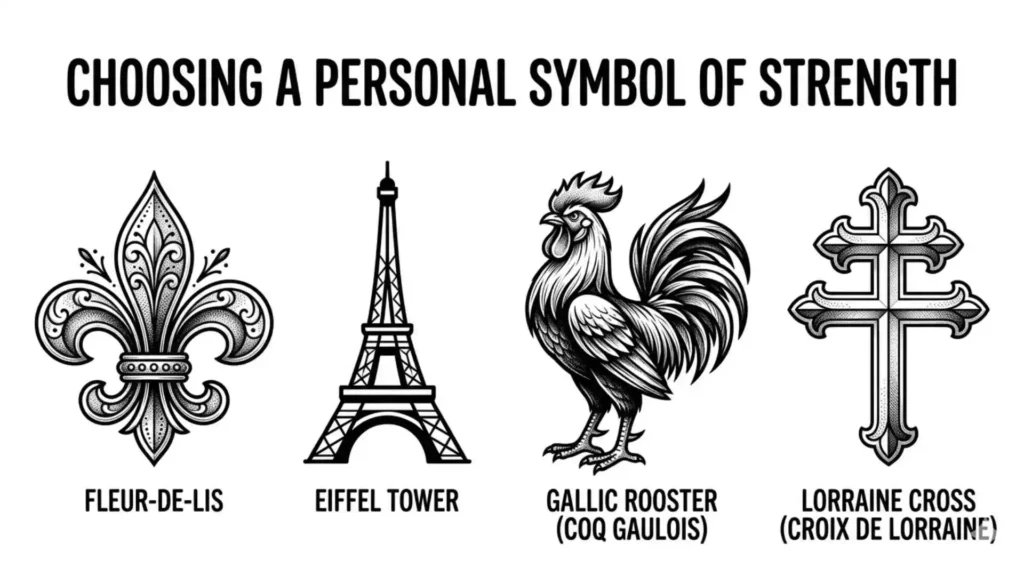
Finding a personal symbol can be a meaningful experience.
Consider these questions:
- Have you overcome a major challenge?
- Do you value leadership or teamwork?
- Are you seeking courage or healing?
- What qualities do you admire most?
Here are some suggestions:
- Lion for courage and leadership.
- Eagle for freedom and determination.
- Oak tree for endurance.
- Phoenix for transformation.
- Dragon for wisdom and power.
- Wolf for loyalty and resilience.
- Celtic knot for eternal strength.
- Elephant for patience and wisdom.
The best symbol of strength is the one that resonates most deeply with your personal story.
Frequently Asked Questions About Symbols of Strength
What is the strongest symbol of strength?
The lion is often considered the strongest universal symbol of strength because it represents courage, leadership, power, and confidence across many cultures.
What animal represents strength and resilience?
The lion, wolf, eagle, and elephant are among the most common animals associated with strength and resilience.
What symbol represents overcoming struggles?
The phoenix is widely recognized as a symbol of overcoming adversity because it rises from its own ashes stronger than before.
Which symbol represents inner strength?
The oak tree, Celtic knot, and elephant often symbolize inner strength, stability, wisdom, and emotional resilience.
What symbol means courage and bravery?
The lion is the most recognized symbol of courage and bravery worldwide.
Are symbols of strength different across cultures?
Yes. Western cultures often emphasize power and leadership, while many Asian cultures connect strength with wisdom, balance, and spiritual growth.
Why do people use strength symbols in tattoos?
People choose strength symbols to represent personal growth, survival, resilience, courage, and meaningful life experiences.
Conclusion
Symbols of strength have inspired humanity for thousands of years because they speak directly to our deepest emotions and aspirations. Whether it is the fearless lion, the resilient phoenix, the enduring oak tree, or the wise elephant, each symbol carries a unique message about courage, perseverance, and personal power. These ancient signs remind us that true strength is not simply about physical force. It is about resilience, determination, wisdom, and the ability to keep moving forward despite life’s challenges. By understanding the meaning of symbols and their cultural significance, we gain powerful reminders of the strength that already exists within us. The right symbol can become a daily source of motivation, helping us face adversity with confidence and hope.

Nicholas Allen is a passionate writer and symbolism researcher who explores the hidden meanings behind ancient signs, spiritual icons and cultural symbols from around the world. His work focuses on making complex symbolism easy to understand for modern readers.
He is the author of “Mystic Signs and Their Hidden Meanings”. Through his writing, Nicholas helps readers discover the stories, beliefs and mysteries connected to symbols across history and different cultures.