
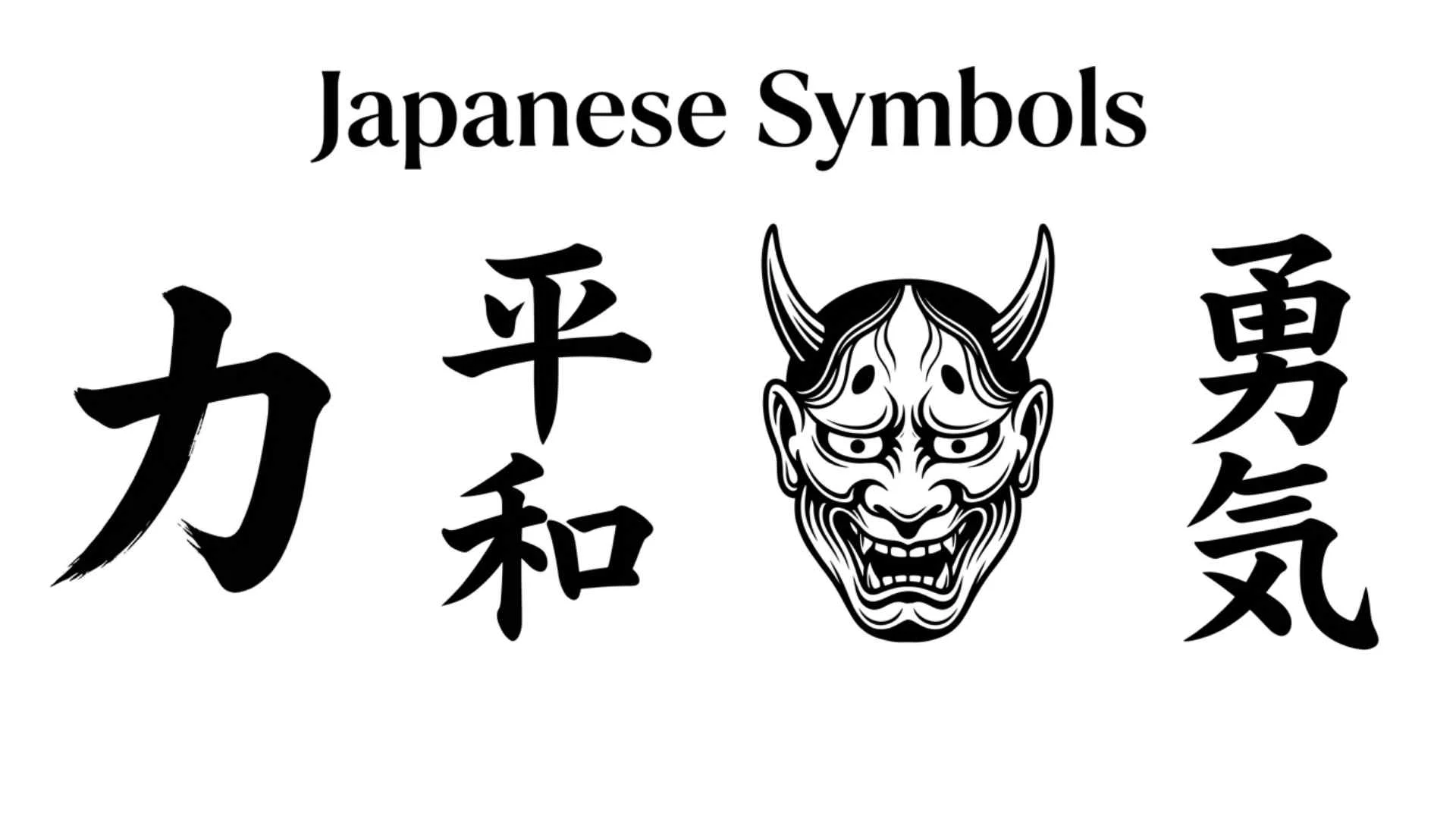
Japanese symbols are more than just beautiful characters on paper, tattoos or digital screens. They carry deep history, emotion and cultural wisdom passed down for centuries. When you explore Japanese symbols, you are actually entering a world of meaning, spirituality and storytelling hidden inside simple strokes.
From ancient kanji to modern emojis, these symbols shape how people in Japan express feelings, beliefs and identity. They also influence global art, fashion, anime and even psychology today.
If you have ever seen a mysterious Japanese character and wondered what it means or why it feels so powerful, you are not alone. Each symbol has a story that connects language, culture and human emotion in a very unique way.
In this guide, we will explore the real meaning of Japanese symbols, their origin, cultural depth and how they are understood across different parts of the world.
What Are Japanese Symbols and Why They Matter in Culture
Japanese symbols are written characters and visual signs used in Japan’s language system and cultural expression. They include kanji, hiragana, katakana, and symbolic visuals used in art, religion and daily life.
At a basic level, they are used for communication. But on a deeper level, they represent emotions, ideas and values that go far beyond words.
For example, a single kanji symbol can represent love, strength, nature or peace. Unlike English letters that form words, Japanese symbols often carry meaning on their own.
This is why they feel powerful and emotional even to people who cannot read them.
Japanese symbols are important because they:
- Connect language with emotion
- Preserve ancient traditions
- Reflect spiritual beliefs
- Influence modern global culture
Today, Japanese symbols appear in tattoos, logos, anime, fashion and digital communication around the world.
History of Japanese Symbols and Their Ancient Origins
The history of Japanese symbols goes back more than a thousand years. The earliest system, kanji, was introduced from China around the 5th century.
Japan did not originally have a writing system. So Chinese characters were adapted and modified to fit Japanese language and pronunciation.
Over time, Japan developed two additional writing systems:
- Hiragana for native Japanese words
- Katakana for foreign words and names
This combination created a unique writing structure that is still used today.
Japanese symbols also evolved alongside religion and philosophy. Shinto beliefs connected symbols with nature spirits, while Buddhism introduced deeper meanings of life, suffering and enlightenment.
Each symbol began to represent not just language but also spiritual energy and emotional depth.
For example:
- The symbol for mountain represents stability and sacred presence
- The symbol for water represents flow and purity
- The symbol for heart represents emotion and human connection
This historical blend of language and spirituality makes Japanese symbols one of the richest writing systems in the world.
Types of Japanese Symbols: Kanji, Hiragana, Katakana and Modern Icons
Japanese symbols are not just one system. They are a combination of different writing styles, each with its own purpose and emotional tone.
Kanji Symbols
Kanji are the most complex Japanese symbols. Each character carries deep meaning and sometimes multiple interpretations.
Examples:
- 愛 means love
- 力 means strength
- 龍 means dragon
Kanji is often used in names, literature and tattoos because of its strong visual and emotional impact.
Hiragana Symbols
Hiragana is softer and more flowing. It is used for grammar, native Japanese words and emotional tone in writing.
It feels gentle and natural, often associated with femininity and simplicity in language expression.
Katakana Symbols
Katakana is sharp and modern. It is used for foreign words, brand names and emphasis.
For example, names like coffee, pizza or computer are written in katakana in Japanese.
Modern Japanese Symbols and Emojis
Interestingly, Japan is also the birthplace of emoji culture. Modern digital symbols like smiley faces and icons originated in Japan.
These modern symbols continue Japan’s tradition of expressing emotion visually rather than just verbally.
Cultural and Spiritual Meaning of Japanese Symbols
Japanese symbols are deeply connected to spirituality and cultural beliefs. Many symbols come from Shintoism and Buddhism, where nature and energy are central ideas.
In Japanese culture, symbols are believed to carry emotional and spiritual vibration.
For example:
- Cherry blossom (桜) represents beauty and the shortness of life
- Dragon (龍) symbolizes wisdom, power and protection
- Crane represents peace and longevity
- Torii gate represents the transition from physical to spiritual world
These meanings are not just artistic. They influence how people think, feel and interpret life events.
Japanese symbols are often used in temples, shrines and rituals. They act as a bridge between human life and spiritual understanding.
Popular Japanese Symbols and Their Deep Emotional Meaning
Some Japanese symbols have become globally famous because of their beauty and emotional depth.
Cherry Blossom Symbol
The cherry blossom represents the beauty of life and its temporary nature. It reminds people that everything is beautiful but nothing lasts forever.
Maneki Neko (Lucky Cat)
The Maneki Neko is a waving cat symbol believed to bring good luck and fortune. It is commonly seen in shops and businesses in Japan.
Dragon Symbol
The Japanese dragon represents wisdom, protection and strength. Unlike Western dragons, it is seen as a positive and divine creature.
Kanji for Love and Strength
Symbols like 愛 (love) and 力 (strength) are often used in tattoos and art because they carry strong emotional meaning.
Torii Gate Symbol
The Torii gate marks sacred spaces in Shinto shrines. It represents transition from everyday life to a spiritual world.
These symbols are not just decorative. They represent human emotions, beliefs and life philosophies.
Japanese Symbols in Modern Design, Anime and Global Pop Culture
Japanese symbols are now deeply embedded in global culture. You can see them in anime, video games, tattoos, branding and fashion.
Anime uses Japanese symbols to add emotional depth to characters and stories. A single kanji on a sword or clothing can define a character’s personality or destiny.
In fashion, Japanese symbols are used for aesthetic appeal and cultural connection. Many global brands use kanji-inspired designs because they look meaningful and artistic.
In tattoos, Japanese symbols are especially popular. People choose kanji for love, strength, courage or peace to express personal identity.
However, it is important to understand meaning correctly before using them, as wrong interpretation can change the message completely.
Japanese symbols have become a global language of art and emotion.
Psychological Meaning of Japanese Symbols and Human Emotion
Japanese symbols have a strong psychological impact because they combine visual beauty with deep meaning.
The human brain processes symbols faster than words. This is why Japanese characters often feel emotional even when not understood.
For example:
- Curved symbols feel calm and soft
- Sharp symbols feel strong and powerful
- Complex kanji feels deep and meaningful
Psychologically, Japanese symbols can influence mood, memory and perception.
People often choose symbols that reflect their identity or emotional state. A symbol of strength may boost confidence, while a symbol of nature may create calmness.
This connection between mind and symbol makes Japanese writing a powerful form of emotional communication.
Cross Cultural Meaning of Japanese Symbols Around the World
Japanese symbols are interpreted differently across cultures, which makes them even more fascinating.
In Japan and Asia
In Japan and other Asian countries, symbols are deeply understood and respected. They carry traditional, spiritual and linguistic meaning.
In the United States
In the USA, Japanese symbols are often seen in tattoos, anime culture and fashion. Many people use them for aesthetic and personal meaning, even if they do not fully understand the language.
In Europe
In Europe, Japanese symbols are appreciated for their artistic beauty and minimalistic design. They are commonly used in modern art and branding.
In Africa
In many African regions, Japanese symbols are viewed as exotic and modern design elements. They are often used in fashion and creative art industries.
While meanings may vary, the emotional impact of Japanese symbols remains strong across all cultures.
Did You Know Interesting Facts About Japanese Symbols
Did you know that Japanese symbols can change meaning depending on context and combination? A single kanji can have multiple interpretations.
Did you know that emoji culture started in Japan and was inspired by traditional symbolic writing?
Did you know that some Japanese symbols are considered lucky and are often placed in homes and businesses for good fortune?
Did you know that many Japanese tattoos use kanji, but incorrect translation can sometimes change the intended meaning completely?
These facts show how deep and complex Japanese symbols truly are.
FAQs About Japanese Symbols
What are Japanese symbols called?
Japanese symbols are called kanji, hiragana and katakana depending on the writing system used.
What is the most powerful Japanese symbol?
Many people consider kanji symbols like strength, love and dragon to be the most powerful because of their meaning and cultural depth.
Are Japanese symbols spiritual?
Yes, many Japanese symbols are connected to Shinto and Buddhist beliefs and represent spiritual ideas like nature, life and energy.
Why are Japanese symbols popular in tattoos?
They are popular because they look visually beautiful and carry deep emotional meanings such as love, strength and peace.
Do Japanese symbols have multiple meanings?
Yes, especially kanji symbols can have multiple meanings depending on context and usage.
Are Japanese symbols the same as Chinese characters?
They are similar because kanji originated from Chinese characters, but Japanese symbols have evolved with unique meanings and usage.
Conclusion
Japanese symbols are a powerful combination of language, culture and emotion. They are not just written characters but expressions of history, spirituality and human feeling. From ancient kanji to modern emojis, they continue to shape communication and design across the world.
Their beauty lies in their simplicity and depth at the same time. A single symbol can tell a complete story of love, strength, nature or life itself.
Understanding Japanese symbols is like understanding a deeper layer of human expression. They connect cultures, inspire creativity and carry meanings that go far beyond words.

Amelia Scott is a passionate writer and symbolism researcher who explores the hidden meanings behind ancient signs, spiritual icons and cultural symbols. She enjoys uncovering the stories and mysteries connected to symbols from around the world.
She is the author of “Mystic Marks And Secret Meanings” and “Echoes Of Forgotten Symbols”. Her work combines history, spirituality and mythology to help readers better understand the deeper meaning of symbols in everyday life.
Through her writing, Amelia aims to make the world of symbols fascinating, meaningful and easy to explore.