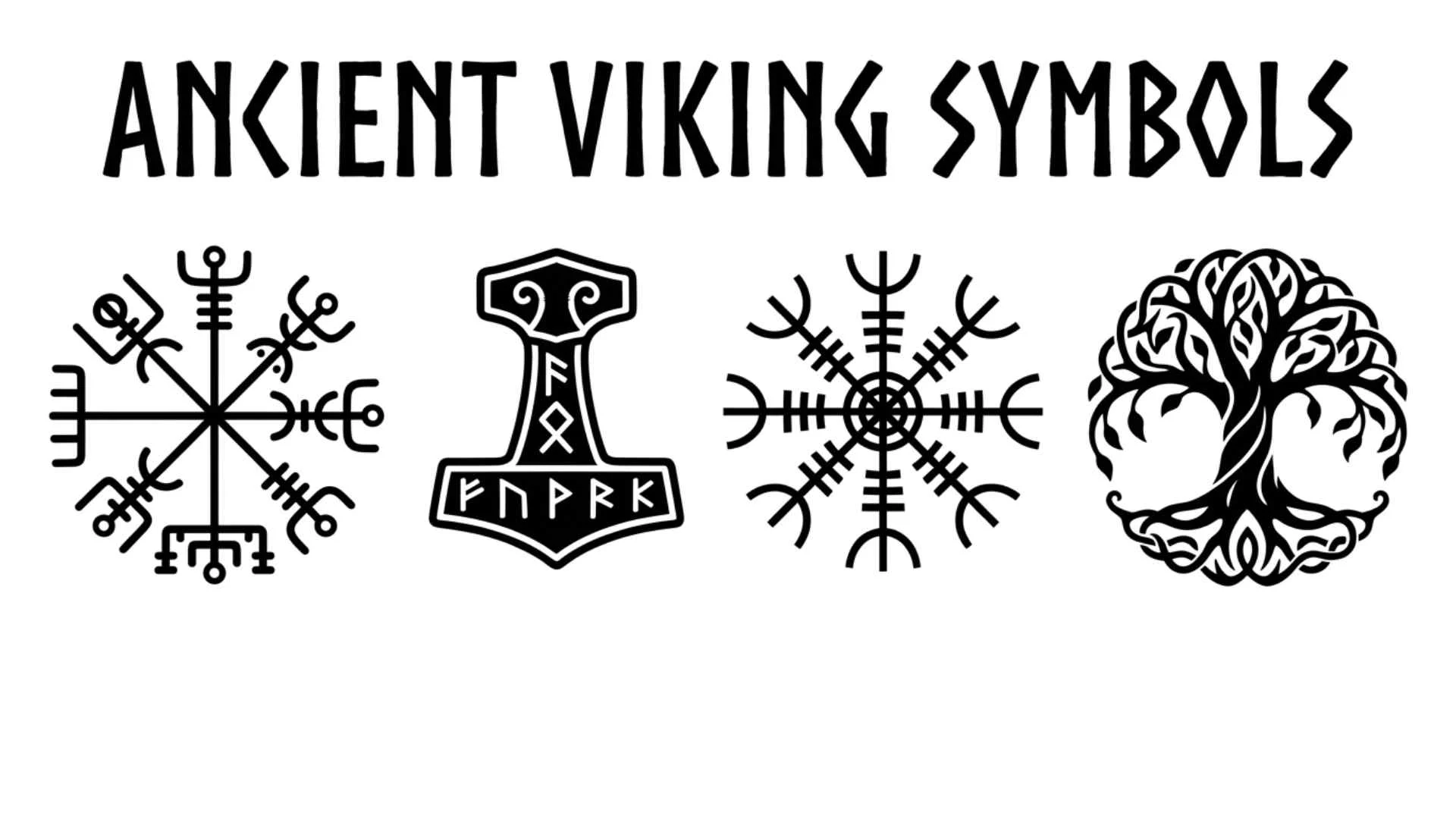
Viking symbols are more than ancient carvings on stone and metal, they are emotional messages from a powerful past. The world of Viking symbols carries mystery, protection, courage, and deep spiritual meaning that still fascinates people today.
These symbols were not just decorations, they were believed to shape destiny, protect warriors, and connect humans with gods.
If you have ever felt drawn to Norse mythology, runes, or Viking history, you are already connected to these ancient meanings.
In this guide, you will discover the true meanings, psychological depth, and cultural power behind Viking symbols.
You will also learn how these ancient signs still influence modern tattoos, spirituality, and identity.
Let’s explore the hidden world of Viking symbols and unlock what they truly represent.
Origins of Viking Symbols and Norse Mythology
Viking symbols come from the ancient Norse people of Scandinavia, mainly present-day Norway, Sweden, and Denmark. These symbols were deeply connected to Norse mythology, a belief system filled with gods like Odin, Thor, and Freyja.
For Vikings, symbols were not abstract art. They were living forces. A carved rune or emblem could protect a warrior in battle or guide a sailor through stormy seas.
Most Viking symbols were passed down through oral traditions and carved into stones called runestones. These stones told stories of bravery, death, and honor.
The Vikings believed the universe was connected through a cosmic tree called Yggdrasil, which held all worlds together. Many symbols were inspired by this worldview.
In modern semantic SEO terms, Viking symbols are often linked with keywords like Norse mythology symbols, ancient Scandinavian signs, rune meanings, and Viking spiritual icons.
Most Powerful Viking Symbols and Their Meanings
Viking symbols carry layered meanings. Each one represents power, protection, or connection to the divine. Below are some of the most important ones.
Valknut, The Knot of the Fallen
The Valknut is made of three interlocking triangles. It is often linked to Odin, the god of war, wisdom, and death.
Meaning:
- Transition between life and death
- Warrior honor
- Connection to Odin
Psychologically, the Valknut represents acceptance of fate. It reflects courage in facing the unknown.
In modern interpretations, it is often seen as a symbol of sacrifice and spiritual transformation.
Mjölnir, Thor’s Hammer
Mjölnir is the hammer of Thor, the god of thunder. It is one of the most popular Viking symbols today.
Meaning:
- Protection against evil
- Strength and courage
- Blessing and fertility
Vikings wore Mjölnir pendants for protection in battle and daily life. It was also used in weddings and rituals for blessings.
Emotionally, Mjölnir represents inner strength and resilience.
Vegvísir, The Viking Compass
Vegvísir is known as the Viking compass, though its written records appear later in Icelandic manuscripts.
Meaning:
- Guidance through storms
- Never losing your path
- Spiritual direction
Many people today use Vegvísir as a tattoo symbol for life guidance and clarity.
It represents hope during confusion and emotional storms.
Aegishjalmur, Helm of Awe
Aegishjalmur is a powerful protection symbol made of radial arms.
Meaning:
- Fearlessness in battle
- Mental strength
- Protection from enemies
It was believed to give warriors courage and make enemies afraid.
Psychologically, it symbolizes dominance over fear and inner control.
Yggdrasil, The Tree of Life
Yggdrasil is the cosmic tree connecting all nine worlds in Norse mythology.
Meaning:
- Connection of all life
- Balance between worlds
- Growth and destiny
It is one of the deepest Viking spiritual symbols. It reflects unity between humans, gods, and nature.
In many cultures, similar “tree of life” symbols exist, showing universal human belief in connection.
Jörmungandr, The World Serpent
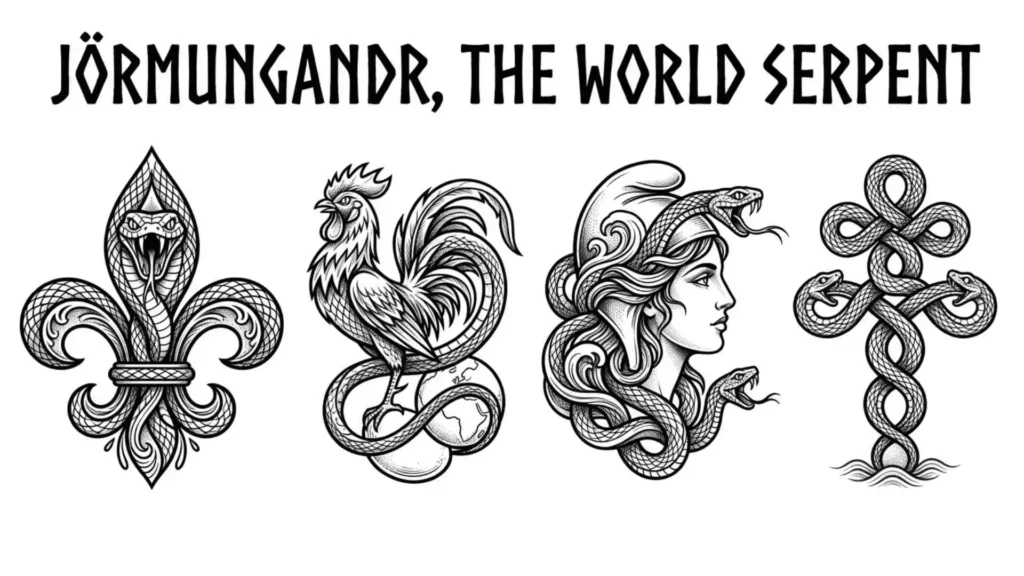
Jörmungandr is a giant serpent that surrounds the world in Norse mythology.
Meaning:
- Cycles of life and death
- Endless time
- Power of chaos and nature
It reminds us that destruction and creation are always connected.
Psychological Meaning of Viking Symbols
Viking symbols are not only historical, they are deeply psychological. They reflect human emotions, fears, and strengths.
For example:
- Symbols like Mjölnir represent security and protection
- Valknut represents acceptance of destiny
- Vegvísir represents hope and direction
- Aegishjalmur represents inner confidence and fear control
From a psychological point of view, Viking symbols act like mental anchors. They help people feel stronger during uncertainty.
Many modern therapists and spiritual thinkers say symbols work because the human brain connects meaning with imagery.
So when someone wears a Viking symbol, they are often expressing identity, strength, or emotional grounding.
Viking Symbols in Daily Life and Ancient Rituals
In ancient Viking life, symbols were everywhere.
They appeared on:
- Weapons like swords and shields
- Ships for protection during travel
- Jewelry for personal strength
- Stones to honor the dead
Runes were also a key part of communication. Each rune had both a sound and a symbolic meaning.
Vikings used symbols during rituals for:
- Birth blessings
- Marriage ceremonies
- War protection
- Funeral rites
Symbols were not passive art. They were active spiritual tools believed to influence reality.
Even today, many people wear Viking-inspired jewelry for emotional strength or cultural identity.
Viking Symbols vs Other Cultural Symbols Around the World
Viking symbols share similarities with many global traditions.
Europe
Celtic knots from Ireland are very similar to Viking patterns. Both represent eternity and spiritual cycles.
Asia
In Hindu culture, symbols like Om also represent cosmic connection, similar to Yggdrasil.
Africa
Adinkra symbols from Ghana carry meanings of wisdom, unity, and strength, much like Viking runes.
USA and Modern Western Culture
In modern America and Europe, Viking symbols are often used in tattoos, branding, and pop culture, especially in movies and fantasy series.
While meanings differ slightly, the core idea remains the same across cultures: symbols represent human emotions and beliefs.
Modern Revival of Viking Symbols in Tattoos and Pop Culture
Today, Viking symbols are everywhere.
They appear in:
- Tattoos representing strength and identity
- Movies and TV shows inspired by Norse mythology
- Fashion and jewelry brands
- Spiritual and meditation practices
Many people choose Viking symbols because they feel raw, powerful, and connected to ancient energy.
For example:
- Vegvísir tattoos symbolize life direction
- Mjölnir tattoos symbolize protection
- Valknut tattoos symbolize courage and transformation
This revival shows how ancient meanings still fit modern emotional needs.
In a fast and uncertain world, Viking symbols offer grounding and identity.
Misunderstood Viking Symbols and Common Myths
Many Viking symbols are misunderstood today.
One common myth is that all Viking symbols were purely war-related. In reality, Vikings also used symbols for love, family, and nature.
Another misconception is that every rune or symbol has a dark meaning. Many actually represent protection, balance, and guidance.
Some symbols were also misinterpreted in modern media, especially in fantasy shows, which sometimes exaggerate their meanings.
Understanding the true history helps separate myth from reality and gives deeper respect to Norse culture.
How to Choose a Viking Symbol That Resonates With You
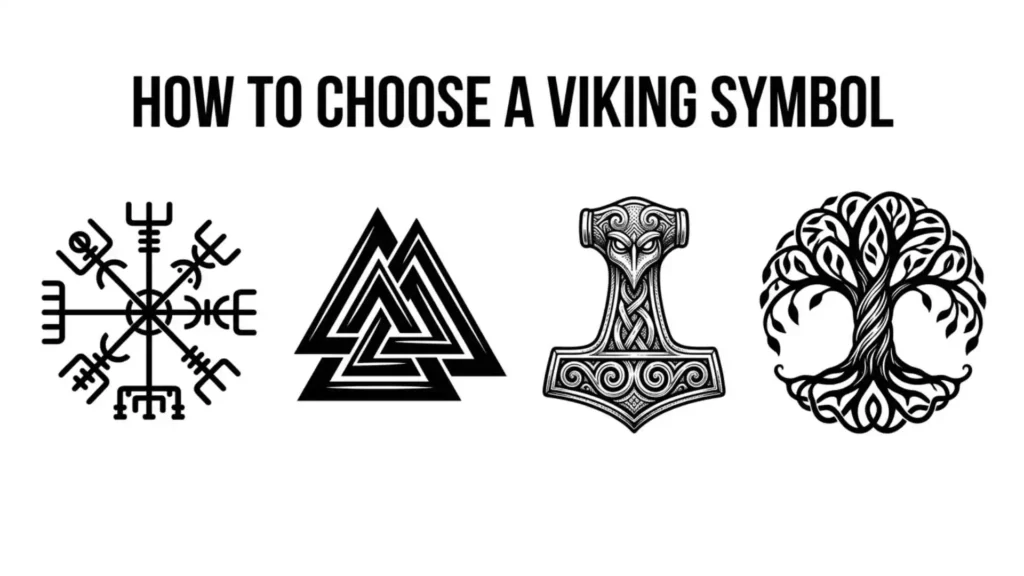
Choosing a Viking symbol is not just about design, it is about meaning.
Here is how you can choose:
- If you want protection, choose Mjölnir or Aegishjalmur
- If you feel lost in life, choose Vegvísir
- If you value destiny and courage, choose Valknut
- If you believe in growth and connection, choose Yggdrasil
Ask yourself:
What emotion do I want this symbol to represent in my life?
Viking symbols work best when they connect with personal identity and inner belief.
They are not just art, they are emotional reflections.
FAQs About Viking Symbols
1. What are Viking symbols used for?
Viking symbols were used for protection, guidance, spirituality, and storytelling in ancient Norse culture.
2. What is the most powerful Viking symbol?
Mjölnir, Thor’s hammer, is often considered the most powerful symbol due to its protection meaning.
3. Are Viking symbols religious?
They come from Norse mythology, which is a pre-Christian belief system, so they have spiritual roots.
4. What does the Valknut symbol mean?
It represents death, transition, and connection to Odin, symbolizing warrior destiny.
5. Can I wear Viking symbols today?
Yes, many people wear them as jewelry or tattoos for meaning, strength, or cultural appreciation.
6. What is the Viking compass symbol?
It is called Vegvísir and is believed to guide a person through difficult journeys.
7. Are Viking symbols still relevant today?
Yes, they are widely used in modern culture, psychology, tattoos, and spiritual practices.
Conclusion
Viking symbols are powerful reminders of human strength, destiny, and connection to nature. They carry emotional depth that goes far beyond history books.
From protection to guidance, each symbol tells a story of survival and belief in something greater.
Even today, people around the world connect with these symbols for identity and meaning.
They are not just ancient designs, they are living expressions of courage and spirit.
Understanding Viking symbols helps us understand ourselves in a deeper, more emotional way.
Nicholas Allen is a passionate writer and symbolism researcher who explores the hidden meanings behind ancient signs, spiritual icons and cultural symbols from around the world. His work focuses on making complex symbolism easy to understand for modern readers.
He is the author of “Mystic Signs and Their Hidden Meanings”. Through his writing, Nicholas helps readers discover the stories, beliefs and mysteries connected to symbols across history and different cultures.