Long before skyscrapers, social media, and modern fashion trends, the Taíno people used powerful visual signs to tell stories, protect their communities, and connect with nature. Today, Taino symbols are more than ancient carvings. They are emotional reminders of identity, spirituality, strength, and human connection. From tattoos and jewelry to spiritual art and home décor, these sacred symbols continue to capture hearts around the world.
Many people feel deeply drawn to these mysterious designs without fully understanding why. A simple spiral, sun face, or frog figure can create a feeling of peace, courage, or belonging. That emotional pull is exactly what makes Taíno symbolism timeless.
In this guide, you will discover the true meaning of Taino symbols, their spiritual origins, psychological significance, cultural importance, and how different societies interpret similar symbols across the world. Whether you are researching heritage, choosing a tattoo, or simply fascinated by ancient wisdom, this article will help you understand these sacred signs on a deeper level.
Who Were the Taíno People?

The Taíno were Indigenous people of the Caribbean who lived across present day Puerto Rico, Cuba, Hispaniola, Jamaica, and the Bahamas before European colonization. They were known for their peaceful lifestyle, artistic talent, spiritual beliefs, and strong relationship with nature.
Taíno culture relied heavily on symbols to communicate stories, spiritual energy, tribal identity, and protection. These symbols appeared on caves, pottery, jewelry, ceremonial objects, and body art.
Unlike modern alphabets, many Taíno symbols carried emotional and spiritual meanings rather than direct language translation. Each shape reflected a deeper connection to the universe, ancestors, and the natural world.
Did you know?
Many modern Puerto Ricans still proudly use Taíno symbols today to reconnect with their Indigenous roots and cultural identity.
Why Taino Symbols Still Matter Today
People often search for ancient symbols because they are looking for meaning in a busy and disconnected world. Taino symbols represent harmony, survival, protection, wisdom, and spiritual balance. These ideas remain deeply relevant today.
Psychologically, symbols affect the human mind because they simplify emotions into visual forms. A spiral can symbolize growth. A sun face can create feelings of hope and energy. A coquí frog can inspire emotional healing and connection with home.
This emotional symbolism explains why Taino inspired tattoos, necklaces, wall art, and fashion continue growing in popularity across the USA, Europe, Asia, and Latin America.
In modern culture, these sacred symbols often represent:
- Personal strength
- Family roots
- Spiritual awakening
- Nature connection
- Inner peace
- Protection from negativity
- Cultural pride
The Most Powerful Taino Symbols and Their Meanings
The Sun Symbol and the Energy of Life
One of the most recognized Taino symbols is the sun symbol, often connected to the deity known as Sol or the life giving force of nature.
The Taíno believed the sun represented life, abundance, growth, and cosmic balance. Circular sun carvings often included expressive human faces, symbolizing the living spirit inside nature itself.
Emotional Meaning
The sun symbol emotionally represents:
- Hope during difficult times
- Positive energy
- Confidence and vitality
- Spiritual awakening
- Renewal after hardship
Symbolism Across Cultures
- In Native American traditions, the sun represents sacred life force.
- In Asian cultures, it often symbolizes enlightenment and divine power.
- In Europe, sun imagery historically represented kingship and victory.
- In African traditions, solar symbols connect with wisdom and ancestral guidance.
Because of its universal meaning, the Taíno sun symbol remains popular in tattoos and spiritual artwork worldwide.
The Coquí Frog Symbol and Emotional Healing
The coquí frog is one of Puerto Rico’s most beloved cultural icons and an important Taíno symbol. Its nighttime song became a symbol of home, comfort, and emotional belonging.
The frog also represented fertility, transformation, rain, and connection to nature.
Psychological Meaning
The coquí symbol often emotionally represents:
- Feeling safe and protected
- Emotional healing
- Returning to your roots
- Adaptability
- Peace and calmness
People who choose frog symbols in tattoos or jewelry often feel strongly connected to family, childhood memories, or spiritual growth.
Cultural Comparison
- In Japan, frogs symbolize luck and safe travel.
- In African folklore, frogs often represent transformation and rain.
- In European mythology, frogs were linked to rebirth and mystery.
- In Native Caribbean traditions, they symbolized harmony with nature.
Did you know?
The sound of the coquí frog is considered a comforting emotional symbol for many Puerto Ricans living abroad.
The Spiral Symbol and the Journey of Life
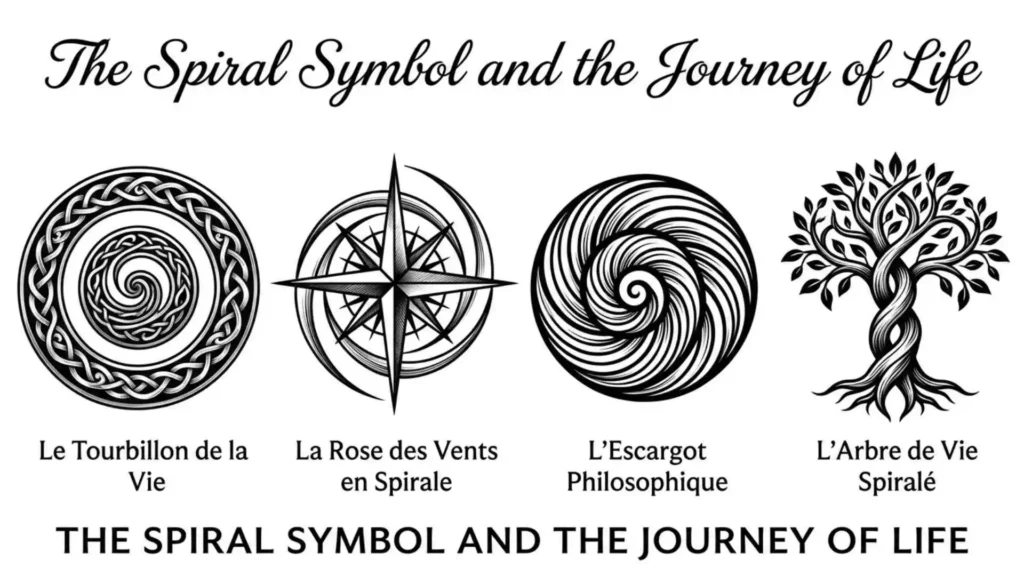
Spiral designs appear frequently in ancient Taíno carvings and ceremonial art. The spiral represented movement, life cycles, spiritual evolution, and the endless connection between humans and the universe.
Spiritual Meaning
The spiral symbolizes:
- Personal growth
- Transformation
- Inner healing
- The cycle of life
- Spiritual awakening
Many people are emotionally drawn to spirals because the shape naturally reflects movement and progress. It reminds us that life is never truly still.
Global Symbolic Meaning
- Celtic cultures viewed spirals as symbols of eternity.
- Hindu traditions connect spirals with cosmic energy.
- African tribal art uses spirals to represent ancestry and continuity.
- Modern psychology often associates spirals with self discovery and emotional depth.
Today, spiral inspired Taíno tattoos are especially popular among people seeking personal transformation.
The Cemí Symbol and Spiritual Protection
Cemís were sacred spiritual beings or ancestral spirits in Taíno religion. The Taíno created carved figures called Cemís to connect with divine forces and seek guidance.
These sacred figures symbolized protection, wisdom, healing, and communication with higher powers.
Emotional and Spiritual Representation
The Cemí symbol can represent:
- Guidance during uncertainty
- Protection from harm
- Ancestral connection
- Spiritual awareness
- Wisdom and healing
Many modern spiritual seekers wear Cemí inspired jewelry for emotional grounding and spiritual comfort.
Similar Beliefs Around the World
- African ancestral masks serve similar spiritual purposes.
- Asian ancestor worship traditions honor family spirits.
- European ancient tribes also believed protective spirits guided communities.
- Indigenous American cultures often used sacred objects for spiritual connection.
The emotional desire for protection and guidance is universal, which explains why sacred ancestral symbols continue to resonate today.
The Turtle Symbol and Longevity
The turtle symbol held deep meaning in Taíno culture because turtles represented endurance, stability, wisdom, and survival.
Sea turtles were essential to island life and were admired for their calm and steady nature.
Psychological Meaning
The turtle emotionally symbolizes:
- Patience
- Emotional resilience
- Long life
- Grounded energy
- Wisdom through experience
People attracted to turtle symbols often value emotional stability and peaceful living.
Symbolism Across Cultures
- In Chinese culture, turtles symbolize longevity and wisdom.
- Native American traditions connect turtles with Mother Earth.
- African symbolism often associates turtles with intelligence and survival.
- Polynesian cultures use turtle imagery to represent navigation and protection.
This cross cultural symbolism makes the turtle one of the world’s most emotionally comforting ancient symbols.
The Bat Symbol and the Balance Between Worlds
Unlike modern fears connected to bats, the Taíno viewed bats as sacred creatures linked to rebirth, transition, and communication between worlds.
The bat was associated with caves, which were spiritually important places in Taíno belief systems.
Emotional Meaning
The bat symbol can represent:
- Personal transformation
- Facing fears
- Rebirth after struggle
- Adaptability
- Spiritual mystery
People going through major life changes are often drawn to bat symbolism because it reflects emotional transition and resilience.
Cultural Interpretations
- In Chinese culture, bats symbolize luck and happiness.
- European traditions historically linked bats to mystery and darkness.
- Some African myths connect bats to intelligence and hidden knowledge.
- Indigenous Caribbean beliefs viewed bats as spiritual messengers.
This contrast across cultures shows how symbols evolve based on human experience and storytelling.
The Tree of Life in Taíno Symbolism
Although the exact phrase “Tree of Life” comes from many global traditions, Taíno spiritual beliefs strongly emphasized nature, sacred trees, and interconnected life.
Trees represented nourishment, ancestry, balance, and continuity.
Psychological and Emotional Meaning
Tree symbols emotionally represent:
- Family roots
- Personal stability
- Growth through adversity
- Interconnection
- Wisdom and grounding
Nature based symbols remain powerful today because humans naturally seek emotional balance through connection with the earth.
Similar Symbolism Worldwide
- Norse mythology featured Yggdrasil, the cosmic world tree.
- African spiritual traditions honor sacred ancestral trees.
- Buddhist traditions connect trees with enlightenment and peace.
- Celtic cultures viewed trees as bridges between worlds.
The shared meaning across civilizations highlights humanity’s universal connection to nature.
Taino Symbols in Tattoos and Modern Fashion
Today, Taino symbols are widely used in tattoos, jewelry, clothing, and digital art. Many people choose these designs because they combine visual beauty with deep emotional meaning.
Popular Taíno tattoo symbols include:
- Sun faces
- Spirals
- Coquí frogs
- Turtle designs
- Cemí figures
- Tribal patterns
Why People Choose Taino Tattoos
People often choose these tattoos to express:
- Cultural pride
- Spiritual growth
- Protection
- Family heritage
- Emotional healing
- Strength through struggle
In the USA especially, Taíno inspired body art has become part of a larger movement toward reconnecting with Indigenous roots and authentic identity.
Did you know?
Many tattoo artists study the original meanings of Taíno symbols carefully to avoid disrespecting sacred cultural traditions.
The Spiritual Psychology Behind Ancient Symbols
Humans naturally respond emotionally to symbols because the brain processes visual meaning faster than language. Ancient symbols survive for thousands of years because they connect deeply with universal emotions.
Taino symbols continue influencing people because they represent experiences every human understands:
- Fear and courage
- Growth and change
- Life and death
- Family and belonging
- Protection and hope
Modern psychology suggests symbolic imagery can create emotional comfort and identity reinforcement. This explains why ancient spiritual symbols remain meaningful even in highly modern societies.
People are not just attracted to the design itself. They are attracted to the feeling the symbol creates inside them.
How to Respectfully Use Taino Symbols
As Taino symbols become more popular globally, respectful use is important. These are not just trendy designs. They come from a real Indigenous culture with deep spiritual and historical significance.
Respectful Ways to Use Taino Symbols
- Learn the meaning before wearing or tattooing a symbol
- Avoid mocking or commercializing sacred imagery
- Support Indigenous artists and creators
- Understand the cultural history behind the design
- Choose symbols that genuinely connect with your values
Respect transforms symbolism from decoration into meaningful personal expression.
FAQs About Taino Symbols
What are Taino symbols?
Taino symbols are ancient spiritual and cultural designs created by the Indigenous Taíno people of the Caribbean. They represent nature, protection, ancestry, spirituality, and emotional balance.
What does the Taino sun symbol mean?
The Taíno sun symbol represents life, energy, strength, growth, and divine connection. It is one of the most recognized symbols in Taíno culture.
Why are Taino symbols popular in tattoos?
People choose Taino tattoos because they symbolize identity, resilience, spirituality, healing, and cultural pride. Many also appreciate their deep historical meaning.
What does the coquí frog symbolize?
The coquí frog symbolizes emotional healing, fertility, home, peace, and connection to Puerto Rican heritage and nature.
Are Taino symbols spiritual?
Yes. Many Taino symbols have spiritual significance connected to ancestral spirits, nature, protection, and cosmic balance.
Can non Puerto Ricans use Taino symbols?
Yes, but respectful understanding is important. Learning the history and meaning behind the symbols helps honor the culture properly.
What is the most powerful Taino symbol?
Many people consider the sun symbol and Cemí symbol among the most powerful because they represent life energy, spiritual protection, and ancestral guidance.
Conclusion
Taino symbols are far more than ancient artwork. They are emotional bridges connecting humanity to nature, spirituality, ancestry, and inner strength. Across centuries, these sacred signs have survived because they speak directly to universal human experiences like hope, healing, protection, and transformation.
Whether carved into stone, worn as jewelry, or chosen as tattoos, these symbols continue inspiring millions of people searching for identity and meaning. Their beauty lies not only in their appearance but also in the emotions they awaken inside us.
In a world that often feels disconnected, Taino symbolism reminds us that humans have always searched for belonging, wisdom, and spiritual connection. That timeless message is exactly why these ancient symbols still matter today.

Amelia Scott is a passionate writer and symbolism researcher who explores the hidden meanings behind ancient signs, spiritual icons and cultural symbols. She enjoys uncovering the stories and mysteries connected to symbols from around the world.
She is the author of “Mystic Marks And Secret Meanings” and “Echoes Of Forgotten Symbols”. Her work combines history, spirituality and mythology to help readers better understand the deeper meaning of symbols in everyday life.
Through her writing, Amelia aims to make the world of symbols fascinating, meaningful and easy to explore.