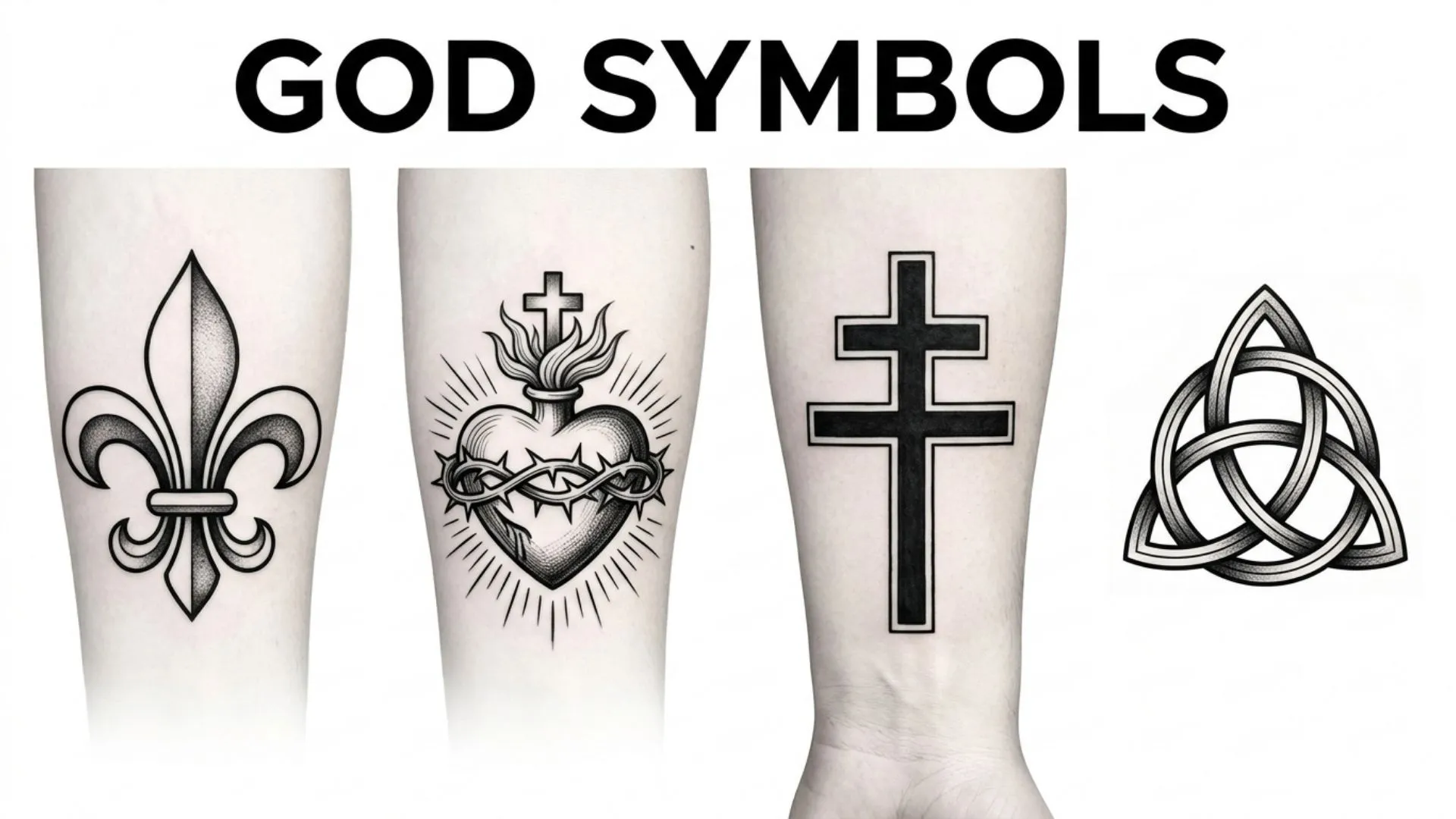
Since the beginning of civilization, people have searched for ways to understand the unseen. God symbols have become powerful spiritual signs that help humans express faith, protection, hope, wisdom, and divine connection. From ancient temples in Egypt to modern spiritual tattoos in the USA, these sacred symbols continue to shape emotions, beliefs, and cultures around the world.
A simple symbol can carry thousands of years of meaning. Some represent life and eternity, while others symbolize strength, peace, rebirth, or cosmic balance. Many people wear them as jewelry, draw them in sacred spaces, or use them during meditation and prayer. Even today, these symbols speak directly to the human heart because they reflect universal emotions like fear, love, protection, and purpose.
What makes god symbols so fascinating is their shared emotional power across different cultures. A symbol found in Asia may carry a similar meaning in Europe or Africa. This deep connection between humanity and sacred imagery explains why spiritual symbols remain timeless and deeply personal.
In this guide, you will discover the most powerful god symbols, their meanings, origins, psychological impact, and how different cultures interpret them. You will also learn why these sacred signs still influence modern life, spirituality, art, and personal identity.
God Symbols Text
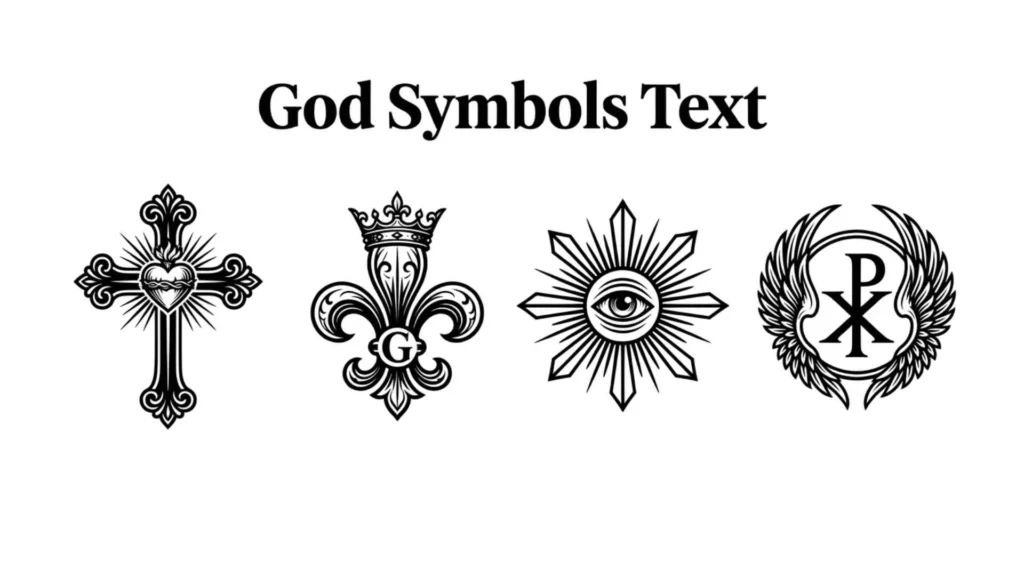
God symbols are often used in text messages, social media posts, religious artwork, and faith-based content. These symbols can represent spirituality, divine power, protection, and religious beliefs. Many people use them to express their faith or share inspirational messages.
Popular God symbols in text include:
✝ Cross
☧ Chi-Rho
☦ Orthodox Cross
☥ Ankh
🕊 Dove
Α Ω Alpha and Omega
These symbols are recognized across various religious and spiritual traditions.
God Symbols and Meanings
God symbols have been used throughout history to communicate spiritual ideas and religious teachings. Different faiths use different symbols to represent God’s presence, wisdom, love, and eternal nature.
For example, the Cross symbolizes salvation in Christianity, while the Dove represents peace and the Holy Spirit. The Alpha and Omega symbolize God as the beginning and the end. These sacred symbols help believers connect with their faith and understand important spiritual concepts.
God Symbols Tattoos
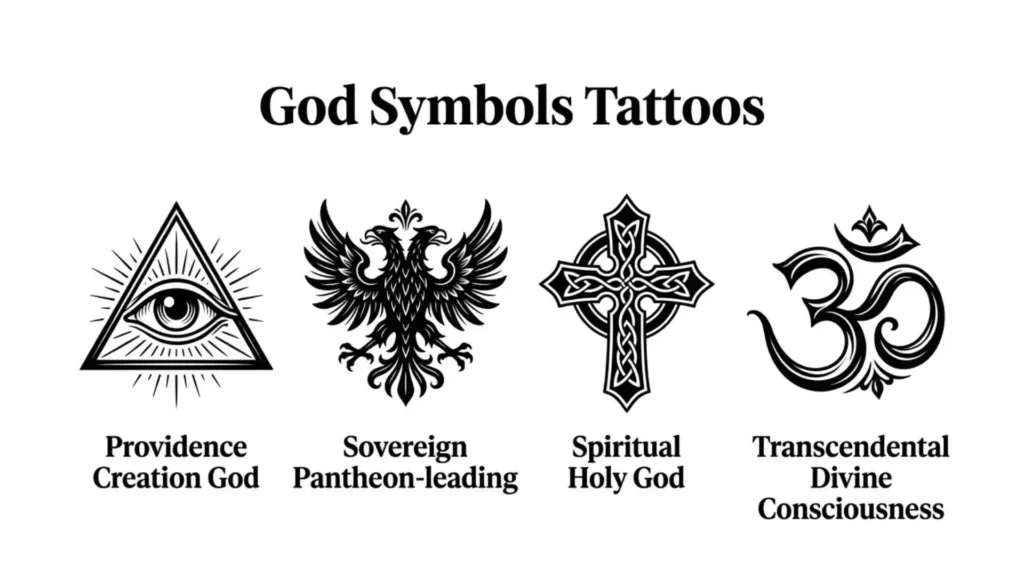
God symbol tattoos are popular among people who want to express their religious beliefs and spiritual values. Many choose symbols that represent faith, hope, protection, and devotion.
Popular God symbol tattoo ideas include:
- Cross Tattoo
- Dove Tattoo
- Alpha and Omega Tattoo
- Sacred Heart Tattoo
- Angel Wings Tattoo
- Chi-Rho Tattoo
- Praying Hands Tattoo
These tattoo designs often serve as personal reminders of faith, strength, and spiritual guidance.
Greek God Symbols
In Greek mythology, each god had symbols associated with their powers and responsibilities. These symbols helped people recognize the gods in stories, artwork, and ancient temples.
Common Greek god symbols include:
- Zeus – Lightning Bolt
- Poseidon – Trident
- Athena – Owl
- Apollo – Lyre
- Hermes – Caduceus
- Ares – Spear
- Hades – Cerberus
These symbols remain popular in mythology studies, literature, and modern art.
Symbols of God in the Bible
The Bible uses many symbols to describe God’s nature and relationship with humanity. These symbols help explain spiritual truths in a meaningful and memorable way.
Some important biblical symbols of God include:
- The Lamb – Sacrifice and redemption
- The Lion – Power and authority
- Light – Truth and holiness
- The Shepherd – Care and guidance
- The Rock – Protection and strength
- Fire – God’s presence and power
- The Vine – Spiritual growth
These symbols appear throughout Scripture and remain central to Christian teachings.
God Symbols and Their Meanings
Religious symbols often carry deep spiritual significance. They help communicate important beliefs and values that have been passed down through generations.
| Symbol | Meaning |
|---|---|
| ✝ Cross | Salvation and faith |
| 🕊 Dove | Peace and Holy Spirit |
| Α Ω Alpha & Omega | God’s eternity |
| ☧ Chi-Rho | Christ |
| ☥ Ankh | Eternal life |
| ❤️ Sacred Heart | Divine love |
Understanding these meanings helps believers appreciate the symbolism behind their faith.
God Symbols Christian
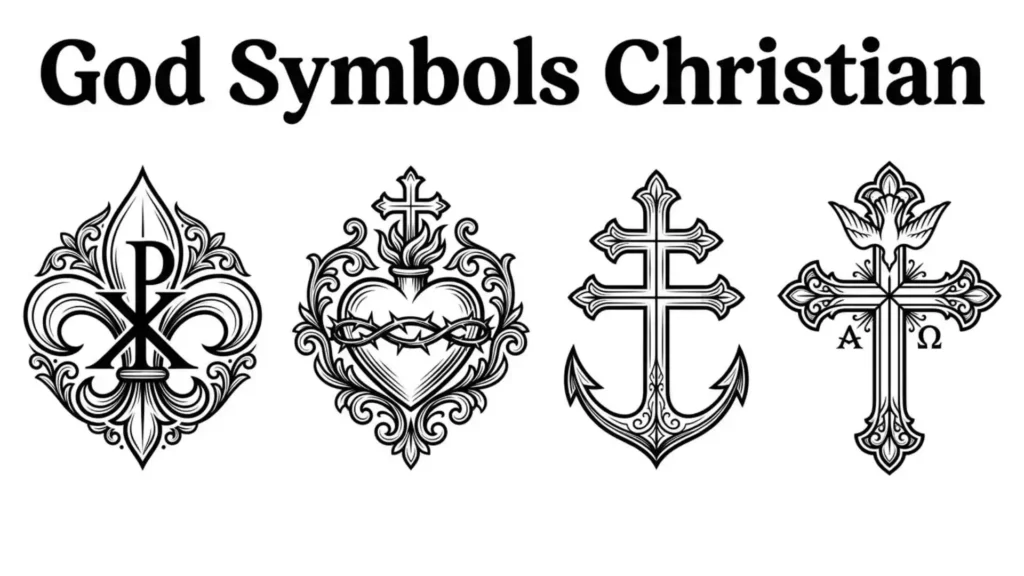
Christian symbols are among the most recognized religious symbols in the world. They represent the life, teachings, and sacrifice of Jesus Christ, as well as core Christian beliefs.
Popular Christian God symbols include:
- The Cross
- The Fish (Ichthys)
- The Dove
- Alpha and Omega
- Chi-Rho
- Crown of Thorns
- Lamb of God
These symbols are commonly found in churches, Christian jewelry, religious books, and faith-based artwork.
God Symbols Copy and Paste
If you need God symbols for social media, church materials, websites, or personal projects, you can copy and paste the following symbols:
✝ ☧ ☦ ☩
☥ 🕊
♱ ✞ ✟
Α Ω
❤️
These symbols are widely used in religious content, inspirational messages, Christian designs, and spiritual discussions online.
The Deep Meaning Behind God Symbols
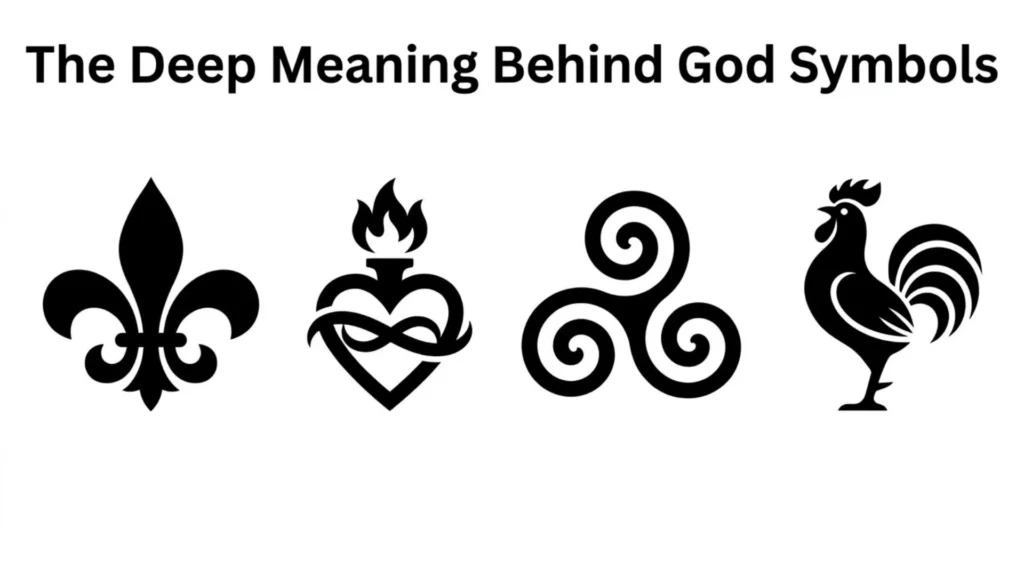
God symbols are visual representations of divine power, spiritual truth, and sacred energy. Long before written language existed, humans used symbols to communicate with gods, spirits, and the universe. These signs acted as bridges between the physical and spiritual worlds.
Every symbol carries emotional energy. Some inspire courage during difficult times, while others remind people of peace, healing, and eternal life. The meaning of symbols often changes slightly across cultures, but their emotional purpose remains surprisingly similar.
For example, circles often represent eternity because they have no beginning or end. Light symbols usually symbolize divine wisdom and truth. Trees represent life, growth, and connection between heaven and earth.
Psychologically, symbols work because the human brain responds strongly to visual patterns. Sacred symbols create feelings of comfort, belonging, and spiritual security. This is one reason religious symbols remain powerful even in modern society.
Did you know? Researchers in psychology and spirituality believe sacred symbols can trigger emotional calmness because they activate deep cultural memories stored in the human subconscious.
The Eye of Horus, Ancient Protection and Divine Vision
One of the most famous god symbols in history is the Eye of Horus from ancient Egypt. This symbol represents protection, healing, wisdom, and spiritual awareness.
The Eye of Horus originated from the story of Horus, the falcon god who battled evil forces to restore balance and justice. According to Egyptian mythology, Horus lost his eye during battle, but it was magically restored. Because of this story, the symbol became connected with healing and rebirth.
Emotional Meaning of the Eye of Horus
People often use this symbol when seeking protection from negativity or emotional harm. It also represents inner strength and the ability to overcome pain.
Cultural Interpretations
- In Africa, it symbolizes spiritual defense and ancestral protection.
- In Europe and the USA, many people wear it as jewelry for luck and awareness.
- In spiritual communities, it often represents the third eye and higher consciousness.
The Eye of Horus remains one of the most recognized symbols of divine power in the world.
The Om Symbol, Sacred Sound of the Universe
The Om symbol is one of the most sacred spiritual signs in Hinduism and Buddhism. It represents the sound of creation and the vibration of the universe itself.
Ancient spiritual teachings describe Om as the first sound ever created. Chanting it during meditation is believed to align the mind, body, and soul with universal energy.
Psychological and Spiritual Meaning
The Om symbol creates feelings of calmness, unity, and spiritual awakening. Many people report emotional healing and reduced anxiety when meditating with Om chants.
Meaning Across Cultures
- In Asia, Om symbolizes enlightenment and divine consciousness.
- In Western spirituality, it often represents mindfulness and inner peace.
- In yoga culture worldwide, it symbolizes balance between the physical and spiritual self.
Did you know? Modern sound therapy experts study Om chanting because of its calming effects on the nervous system.
The Cross, Universal Symbol of Faith and Sacrifice
The Cross is one of the most recognized religious symbols on Earth. While strongly connected with Christianity, variations of the cross existed in ancient civilizations long before Christianity emerged.
For Christians, the Cross represents sacrifice, salvation, forgiveness, and eternal hope. It symbolizes the death and resurrection of Jesus Christ and serves as a reminder of divine love.
Emotional Connection of the Cross
Many believers feel protected and emotionally comforted when wearing or seeing the Cross. It often becomes a personal symbol of strength during grief or hardship.
Cultural Perspectives
- In Europe and the USA, the Cross is deeply connected to Christian identity.
- In African Christianity, it often represents spiritual victory and community faith.
- In some Asian countries, the Cross symbolizes compassion and selflessness.
The Cross remains one of the most emotionally powerful symbols of God and spiritual devotion.
The Lotus Flower, Symbol of Spiritual Awakening
The Lotus Flower is a sacred symbol in Hinduism, Buddhism, and many Eastern spiritual traditions. It grows in muddy water yet blooms beautifully above the surface, making it a perfect symbol of transformation and spiritual growth.
Symbolic Meaning of the Lotus
The Lotus teaches that beauty and wisdom can emerge from suffering. Spiritually, it represents purity, rebirth, enlightenment, and resilience.
Emotional and Psychological Meaning
People connect deeply with the Lotus because it mirrors human struggles. It reminds individuals that painful experiences can lead to inner growth and peace.
Global Interpretations
- In Asia, it symbolizes enlightenment and purity.
- In modern Western spirituality, it represents healing and personal growth.
- In yoga and meditation communities, it symbolizes emotional balance.
Did you know? Different Lotus colors carry unique meanings. White symbolizes purity, pink represents divine enlightenment, and blue symbolizes wisdom.
The Tree of Life, Connection Between Heaven and Earth
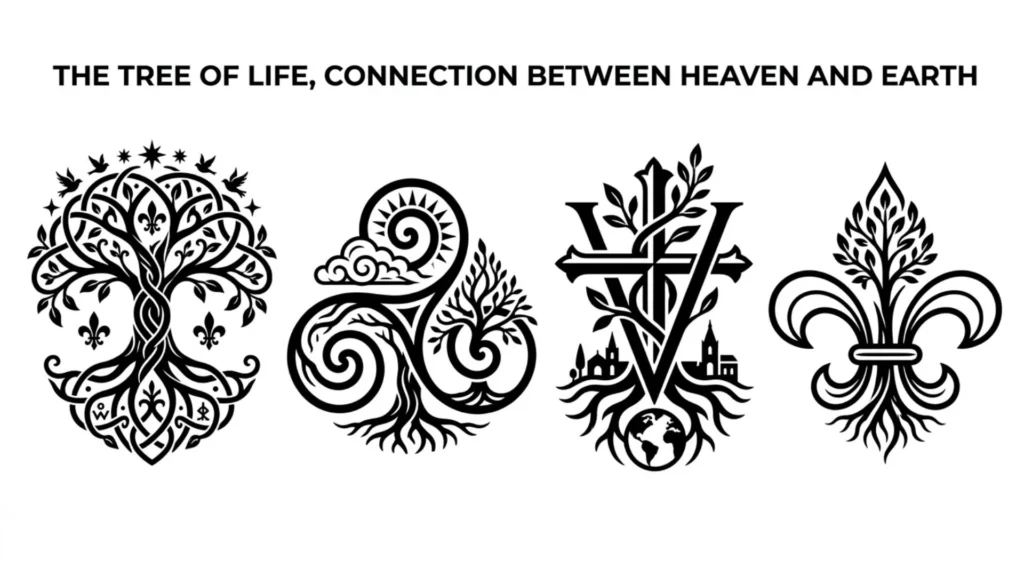
The Tree of Life appears in many religions and mythologies around the world. It represents wisdom, strength, immortality, and the connection between all living things.
Ancient cultures believed the tree connected the heavens, earth, and underworld. Its roots symbolized grounding, while its branches represented spiritual growth.
Emotional Meaning
The Tree of Life creates feelings of stability, family connection, and personal growth. Many people use it as a reminder that life constantly changes and evolves.
Cultural Symbolism
- In Celtic traditions, it symbolizes harmony and balance.
- In African spirituality, trees often represent ancestral wisdom.
- In Christianity, it symbolizes eternal life and divine creation.
- In Asian cultures, it represents longevity and inner peace.
Today, the Tree of Life is popular in jewelry, tattoos, home decor, and spiritual practices because of its universal meaning.
The Ankh, Egyptian Symbol of Eternal Life
The Ankh is another powerful Egyptian god symbol. Shaped like a cross with a loop at the top, it represents eternal life and divine immortality.
Egyptian gods were often shown holding the Ankh, symbolizing their power over life and death.
Spiritual Meaning of the Ankh
The symbol represents life energy, spiritual wisdom, and rebirth. Many people believe it attracts positive energy and divine protection.
Emotional Significance
The Ankh gives comfort to people thinking about life after death or searching for spiritual meaning. It symbolizes hope beyond physical existence.
Symbolism Around the World
- In African spirituality, it represents sacred life force.
- In modern spiritual movements, it symbolizes universal wisdom.
- In Western fashion and art, it often represents mystery and ancient knowledge.
The Ankh continues to inspire people interested in spirituality, ancient civilizations, and sacred symbolism.
Yin and Yang, Balance of Divine Energy
The Yin and Yang symbol comes from ancient Chinese philosophy and represents balance between opposite forces in the universe.
Rather than seeing opposites as enemies, Yin and Yang teaches that light and darkness, masculine and feminine, and chaos and peace must exist together.
Emotional Meaning
This symbol helps people accept life’s ups and downs. It encourages emotional balance and inner harmony.
Psychological Impact
The human mind naturally seeks balance. This symbol visually reminds people that difficult experiences are part of growth and transformation.
Cultural Meanings
- In Asia, Yin and Yang symbolizes universal harmony.
- In the USA and Europe, it often represents emotional balance and mindfulness.
- In holistic healing practices, it symbolizes energy alignment.
Did you know? The small dots inside Yin and Yang symbolize that every force contains a part of its opposite.
The Hamsa Hand, Symbol of Protection and Blessings
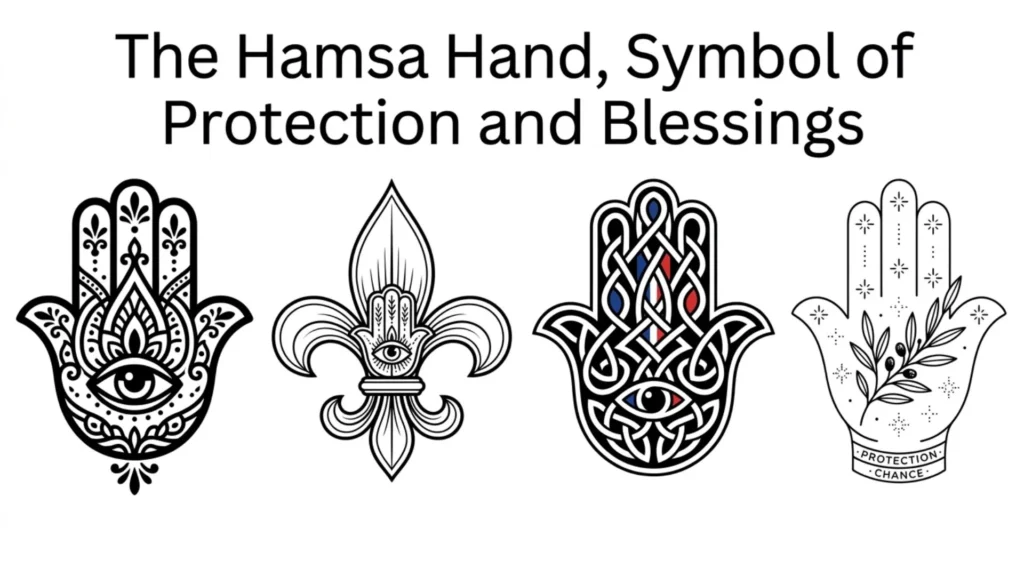
The Hamsa Hand is a sacred protective symbol found in Middle Eastern, Jewish, Islamic, and North African traditions. It is often shaped like an open hand with an eye in the center.
Meaning of the Hamsa Symbol
The Hamsa represents divine protection, blessings, strength, and protection from negative energy or the evil eye.
Emotional and Spiritual Meaning
People use the Hamsa when seeking safety, emotional peace, and spiritual comfort. It is especially popular during times of uncertainty or fear.
Cultural Interpretations
- In the Middle East, it symbolizes divine protection.
- In North Africa, it represents blessings and family safety.
- In modern spiritual culture, it symbolizes positive energy and emotional security.
The Hamsa remains one of the world’s most beloved spiritual protection symbols.
Why Humans Feel Drawn to Sacred Symbols
God symbols remain powerful because humans naturally seek meaning, comfort, and connection. These symbols become emotional anchors during uncertainty, grief, joy, and transformation.
Symbols Create Emotional Security
Seeing sacred symbols can reduce fear and increase feelings of hope and belonging. This is why people place religious symbols in homes, temples, jewelry, and personal spaces.
Symbols Strengthen Identity
Religious and spiritual symbols help people feel connected to their culture, family, and beliefs. They become part of personal identity and emotional memory.
Symbols Inspire Spiritual Growth
Many people use symbols during meditation, prayer, or reflection because they help focus the mind and emotions.
Even in a modern technological world, ancient god symbols continue to influence art, fashion, psychology, spirituality, and personal healing.
Modern Uses of God Symbols in Everyday Life
Today, sacred symbols appear everywhere, from tattoos and jewelry to architecture and digital art.
Tattoos and Personal Expression
Many people choose spiritual tattoos to represent survival, growth, protection, or faith.
Jewelry and Fashion
Necklaces, rings, and bracelets featuring god symbols often provide emotional comfort and spiritual identity.
Meditation and Healing
Meditation spaces frequently include symbols like Om, Lotus, or Yin and Yang to encourage peace and mindfulness.
Home Decor and Energy Spaces
People place sacred symbols in homes to create calm, positive energy, and spiritual harmony.
Did you know? Interior designers now use sacred geometry and spiritual symbols in wellness spaces because they are believed to create emotional balance.
FAQs About God Symbols
What are god symbols?
God symbols are sacred signs or images that represent divine power, spirituality, protection, faith, wisdom, or eternal life.
Why are spiritual symbols important?
Spiritual symbols help people express emotions, beliefs, and connection with higher powers. They often provide emotional comfort and inspiration.
Which symbol represents protection?
The Eye of Horus and the Hamsa Hand are among the most popular symbols of protection across cultures.
What is the oldest known god symbol?
Some of the oldest sacred symbols include the Ankh, sun symbols, and ancient spiral symbols found in prehistoric cultures.
Why do people wear sacred symbols?
People wear sacred symbols for spiritual protection, emotional support, faith, identity, or personal meaning.
Are god symbols the same in every culture?
No, meanings may vary slightly, but many symbols share universal themes like life, protection, wisdom, and balance.
Can spiritual symbols affect emotions?
Yes. Psychologists believe symbols influence emotions because humans naturally connect visual imagery with memory, identity, and meaning.
Conclusion
God symbols continue to inspire humanity because they speak to emotions deeper than words. Across centuries and civilizations, these sacred signs have represented protection, hope, balance, wisdom, and divine connection. Whether it is the peaceful Om symbol, the protective Eye of Horus, or the eternal Tree of Life, each symbol carries powerful emotional and spiritual meaning.
People across the USA, Asia, Africa, and Europe still turn to these symbols for comfort, healing, identity, and guidance. Their timeless appeal proves that humans will always search for meaning beyond the physical world. Sacred symbols remind us that faith, transformation, and inner strength are universal experiences shared by all humanity.

Nicholas Allen is a passionate writer and symbolism researcher who explores the hidden meanings behind ancient signs, spiritual icons and cultural symbols from around the world. His work focuses on making complex symbolism easy to understand for modern readers.
He is the author of “Mystic Signs and Their Hidden Meanings”. Through his writing, Nicholas helps readers discover the stories, beliefs and mysteries connected to symbols across history and different cultures.