
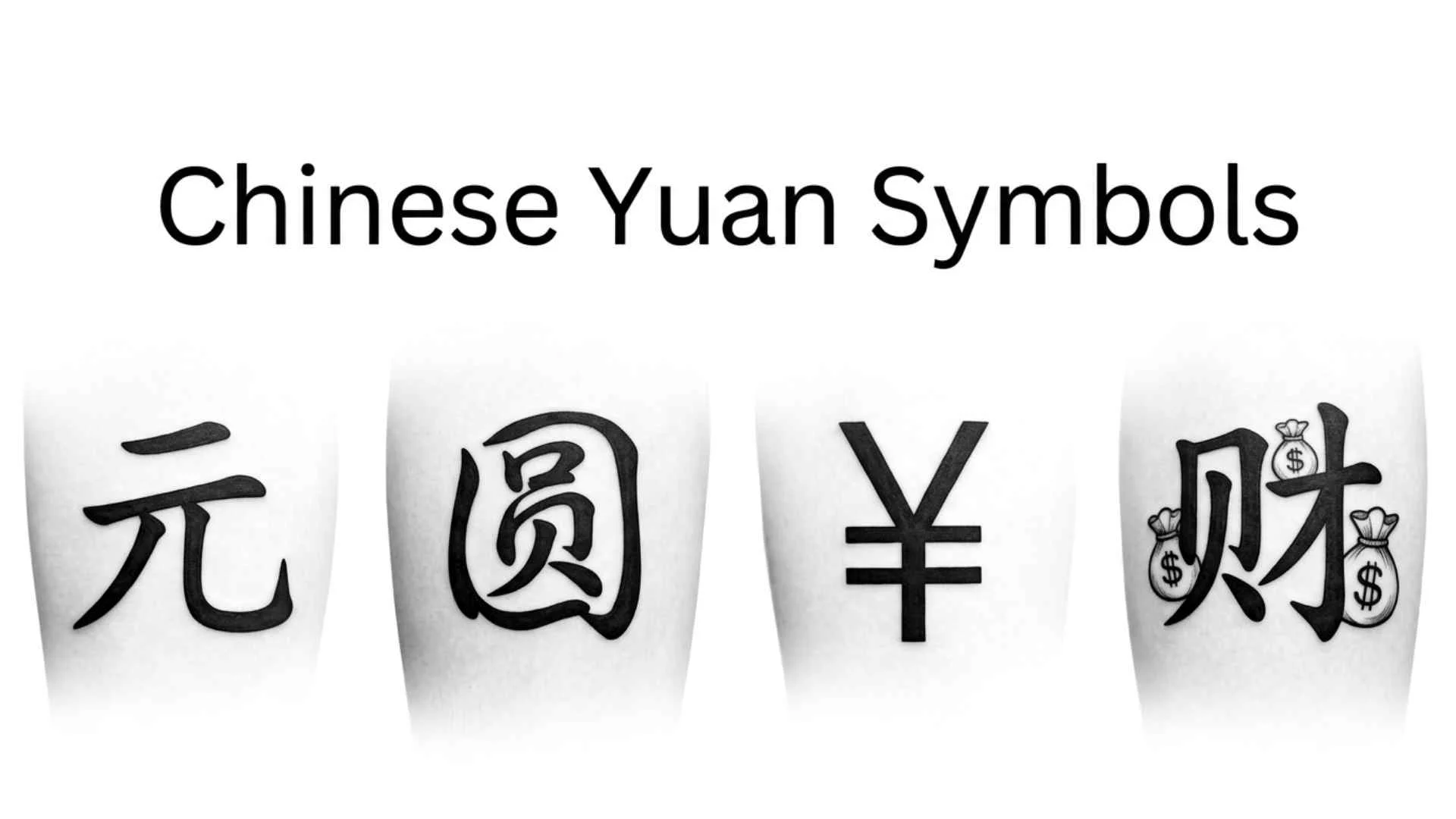
The Chinese yuan symbols ¥ and 元 are more than simple currency marks. They carry history, identity, national pride, and economic influence that reaches far beyond China. Whether you see the yuan symbol while shopping online, reading exchange rates, or traveling in Asia, these symbols quietly tell a story about one of the world’s strongest economies and oldest civilizations.
For many people, the Chinese yuan symbol represents modern China, financial growth, and global trade. Yet behind the familiar ¥ sign lies a deeper meaning connected to language, culture, psychology, and tradition. From ancient Chinese coins to digital payments used today, the yuan symbol has evolved into a powerful visual identity recognized worldwide.
If you have ever wondered why China uses ¥, what 元 truly means, or how the yuan compares with symbols from the US dollar, euro, or Japanese yen, this detailed guide will explain everything in simple and human friendly language.
Chinese Yuan Symbols Copy
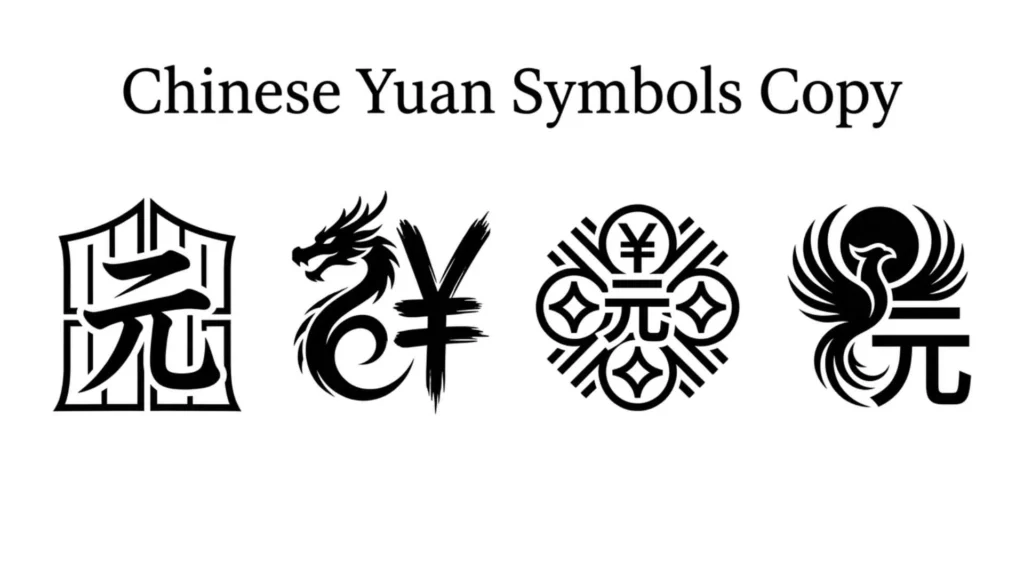
If you need Chinese yuan symbols for documents, websites, social media, or financial reports, you can copy and paste them directly:
¥ – Yuan/Yen Symbol
元 – Yuan (Chinese Character)
人民币 – Renminbi (RMB)
¥ – Full-Width Yuan Symbol
These symbols are commonly used when displaying Chinese currency amounts in digital and printed formats.
Yuan and Yen Symbol
The Chinese yuan and Japanese yen share the same currency symbol:
¥
The difference is usually identified by the currency code:
- CNY = Chinese Yuan (Renminbi)
- JPY = Japanese Yen
For example:
- ¥100 CNY = 100 Chinese Yuan
- ¥100 JPY = 100 Japanese Yen
Although they use the same symbol, they are different currencies issued by different countries.
Chinese Yuan Symbols Text
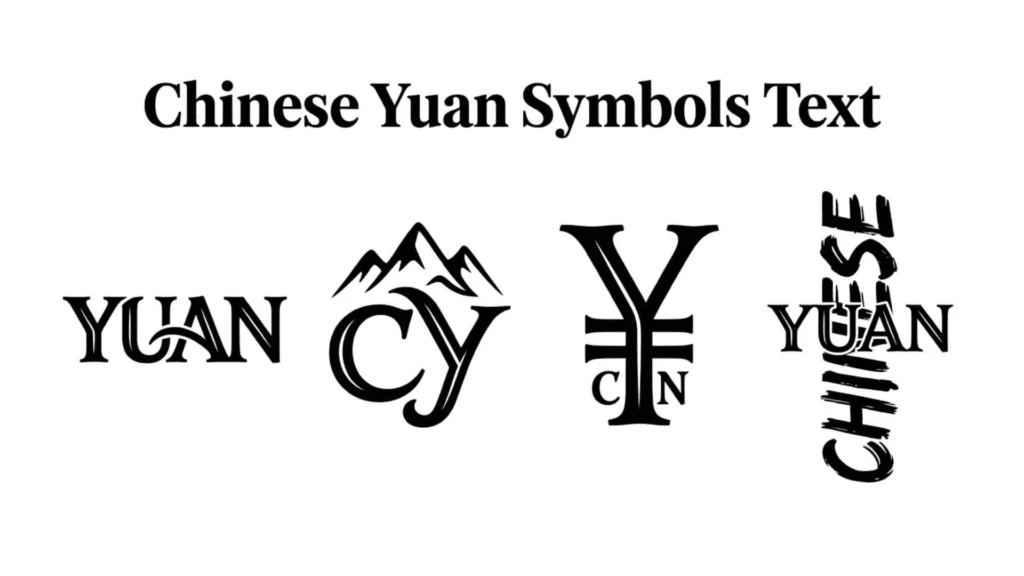
The Chinese yuan can be represented in several text formats depending on the language and context.
Common Chinese yuan text symbols include:
- ¥
- ¥
- 元
- 人民币
- RMB
- CNY
These formats are frequently used in banking, international trade, online shopping, and currency exchange services.
Japanese Yen Symbol
The official symbol for the Japanese yen is:
¥
The international currency code for the yen is:
JPY
The yen is the official currency of Japan and is one of the most traded currencies in the world. It is commonly used in foreign exchange markets, international business, and global finance.
Chinese Yuan Symbols in English
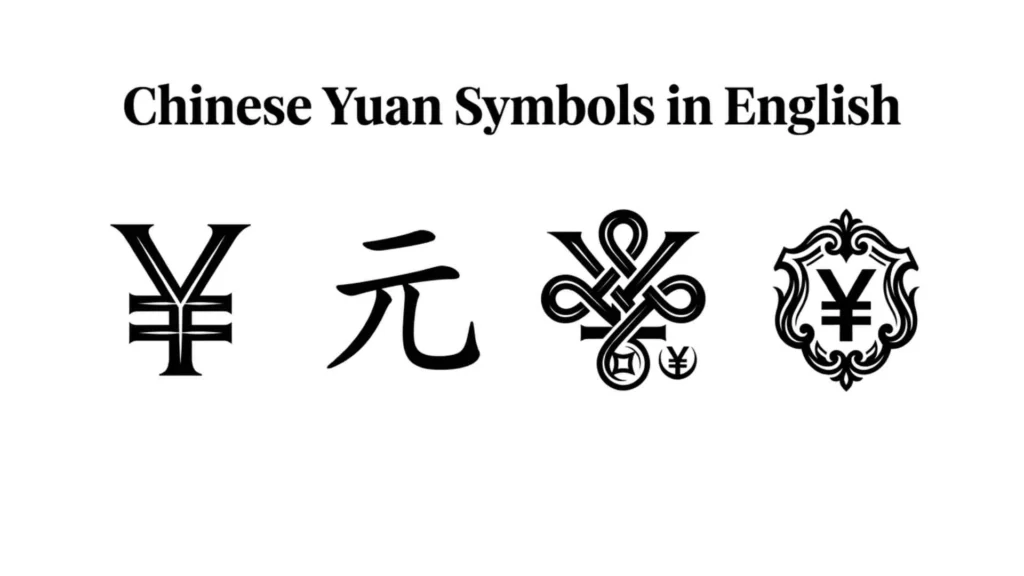
In English, the Chinese currency is commonly written as:
- Chinese Yuan
- Yuan
- Renminbi (RMB)
- CNY
Examples:
- ¥50
- RMB 50
- CNY 50
- 50 Yuan
These formats are widely used in international transactions, travel guides, and financial reports.
100 Chinese Yuan Picture
A 100 Chinese yuan banknote is one of the highest commonly circulated notes in China. The front side features Mao Zedong, while the reverse side displays famous Chinese landmarks and national imagery.
The note is red in color and includes advanced security features such as watermarks, security threads, and color-shifting elements to prevent counterfeiting.
RMB Which Country Currency
RMB stands for Renminbi, which is the official currency of China.
The term “Renminbi” means “People’s Currency” in Chinese. The yuan is the basic unit of the Renminbi currency system.
Key facts:
- Country: China
- Currency Name: Renminbi (RMB)
- Unit: Yuan
- Currency Code: CNY
- Symbol: ¥
RMB Currency
RMB currency refers to the official money used in China. It is issued by the People’s Bank of China and is one of the world’s most important currencies.
The RMB is used for:
- Domestic transactions in China
- International trade
- Foreign exchange markets
- Global business payments
Common RMB banknotes include 1, 5, 10, 20, 50, and 100 yuan denominations. As China’s economy continues to grow, the RMB plays an increasingly important role in international finance and commerce.
What Is the Chinese Yuan Symbol?
The official symbol of the Chinese yuan is ¥. In written Chinese, the currency is commonly represented by the character 元, pronounced “yuan.” You may also see 人民币 or RMB, which means “People’s Currency.”
Main Chinese Yuan Symbols
| Symbol | Meaning |
| ¥ | International currency sign for yuan |
| 元 | Chinese character for yuan |
| RMB | Renminbi or People’s Currency |
| 圆 | Traditional older form of yuan |
The ¥ sign is shared by both the Chinese yuan and Japanese yen, which sometimes causes confusion in international finance. However, context usually makes it clear which currency is being discussed.
Did you know?
The Chinese yuan is one of the most traded currencies in the world and plays a major role in international commerce and global banking systems.
The Fascinating History Behind the Chinese Yuan Symbol
The story of the Chinese yuan symbols goes back centuries. Long before modern paper money existed, ancient China used bronze coins with square holes in the middle. These coins represented wealth, balance, and circulation of energy.
Origin of the Word Yuan
The word “yuan” originally meant “round object” or “circle.” This name came from the shape of early coins used in China during imperial dynasties.
Over time, yuan became associated with money itself. When China modernized its financial system in the late 19th and early 20th centuries, the term yuan officially became part of the national currency structure.
Birth of the ¥ Symbol
The ¥ symbol emerged from combining the Latin letter Y with horizontal lines similar to other major currency symbols like:
- $ for the US dollar
- € for the euro
- £ for the British pound
The added horizontal strokes symbolize stability and legitimacy in finance.
Psychologically, the symbol feels balanced and secure. This is one reason why strong currency symbols often include lines or structured shapes. They create trust in the minds of users.
What Does the Chinese Yuan Symbol Mean Emotionally?
Symbols are powerful because humans naturally attach emotions and meaning to visual signs. The Chinese yuan symbol is no exception.
Emotional Meaning of ¥
The ¥ sign often represents:
- Financial opportunity
- Economic strength
- Security and prosperity
- Modern Asian influence
- Stability in global markets
For Chinese citizens, the yuan is also linked to national identity and pride. It reflects China’s transformation from an ancient civilization into a modern economic powerhouse.
Psychological Symbolism
In psychology, money symbols can influence perception and behavior. The yuan symbol creates feelings of:
- Trust
- Structure
- Growth
- Discipline
- Ambition
Its clean and symmetrical appearance gives it a sense of order and authority.
Many international investors associate the yuan with the future of global trade and technological expansion.
Understanding 元, The Deep Cultural Meaning Behind the Character
While ¥ is used internationally, 元 holds much deeper cultural significance within China.
What Does 元 Mean?
The Chinese character 元 has several meanings depending on context:
- Beginning
- Origin
- Primary
- Fundamental unit
This makes the yuan symbol spiritually and culturally rich compared to many Western currency signs.
In traditional Chinese philosophy, beginnings and balance are deeply respected concepts. The use of 元 reflects harmony, completeness, and continuity.
Symbolism in Chinese Culture
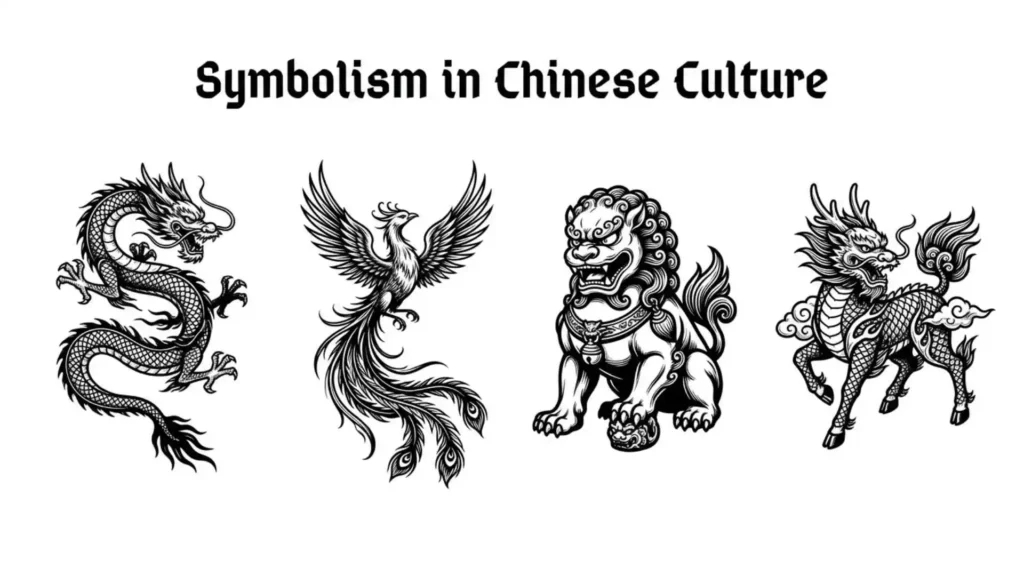
In Chinese tradition, circular forms symbolize:
- Unity
- Heaven
- Eternity
- Wholeness
Because yuan originally referred to round coins, the concept naturally became tied to harmony and prosperity.
Did you know?
Ancient Chinese coins with square holes represented the belief that heaven was round and earth was square. This philosophical symbolism influenced Chinese financial culture for centuries.
Chinese Yuan Symbols Compared Across Cultures
Currency symbols mean different things depending on cultural background. The Chinese yuan symbol has unique interpretations around the world.
In China and Asia
In China and many Asian countries, the yuan symbolizes:
- Economic growth
- Innovation
- Stability
- Rising global influence
Asian investors often see the yuan as a symbol of regional power and future financial leadership.
In the United States
In the US, the yuan is commonly associated with:
- International trade
- Manufacturing
- Global competition
- Investment opportunities
Americans may view the yuan through an economic or geopolitical lens rather than a cultural one.
In Europe
European markets often connect the yuan with:
- Trade partnerships
- Luxury exports
- Financial diversification
As China expands relationships with European countries, the yuan’s visibility continues to grow.
In Africa
Across Africa, Chinese investments and infrastructure projects have increased awareness of the yuan symbol.
For many African nations, the yuan represents:
- Development opportunities
- Infrastructure growth
- International partnerships
This has helped the yuan gain cultural recognition beyond Asia.
Why the Chinese Yuan Symbol Matters in Global Finance
The yuan is no longer just China’s currency. It has become a major player in international finance.
Growing Global Influence
China is one of the world’s largest economies. As a result, the yuan now influences:
- International trade
- Currency reserves
- Banking systems
- Digital payments
- Investment markets
More countries are beginning to use yuan in cross border trade agreements.
Digital Yuan Revolution
China has also introduced the digital yuan, known as e CNY.
This digital currency represents the future of money and modern financial technology. Unlike cryptocurrencies such as Bitcoin, the digital yuan is backed and regulated by the Chinese government.
The rise of digital yuan technology has increased worldwide interest in Chinese currency symbols.
Did you know?
China was one of the first major economies to launch a large scale central bank digital currency.
Chinese Yuan Symbol in Daily Life
Many people encounter the yuan symbol without realizing its importance.
Where You Commonly See ¥
You may notice the Chinese yuan symbol in:
- Online shopping websites
- Currency exchange apps
- Airport exchange counters
- International business reports
- Travel bookings
- Financial news channels
As China’s global influence grows, the yuan symbol appears more frequently in everyday digital life.
Symbol in Technology and Design
The ¥ sign is also popular in graphic design and branding because it looks modern and balanced.
Its visual simplicity makes it easy to recognize instantly, even across language barriers.
This is one reason why strong symbols matter in global communication.
The Difference Between Yuan, Renminbi and RMB
Many people get confused by the terms yuan, RMB, and renminbi. Understanding the difference is important.
Yuan
Yuan is the unit of currency, similar to how “dollar” is used in the United States.
Renminbi
Renminbi means “People’s Currency.” It is the official name of China’s currency system.
RMB
RMB is simply the abbreviation for renminbi.
Easy Example
Think of it this way:
- Currency system = Renminbi
- Unit = Yuan
- Symbol = ¥
This simple distinction helps explain why all three terms are used interchangeably.
Spiritual and Symbolic Meaning of Chinese Currency Symbols
Beyond economics, symbols often gain spiritual significance.
Prosperity and Luck
In Chinese culture, money symbols are strongly connected with:
- Abundance
- Good fortune
- Success
- Family prosperity
Many traditional decorations during Lunar New Year include ancient coin symbols or golden yuan imagery.
Feng Shui Connection
In Feng Shui practices, coins and circular money symbols represent energy flow and wealth attraction.
The yuan’s historical connection to circular coins strengthens this symbolism.
People often place symbolic coins near entrances, wallets, or business spaces to attract financial luck.
How the Chinese Yuan Symbol Shapes Global Perception
Currency symbols influence how nations are viewed internationally.
The US dollar symbol reflects global dominance and capitalism. The euro represents European unity. Likewise, the Chinese yuan symbol now reflects:
- Economic ambition
- Technological advancement
- Strategic power
- Cultural influence
As China expands in artificial intelligence, manufacturing, trade, and finance, the ¥ sign increasingly represents the future direction of the global economy.
This psychological branding effect is extremely powerful.
Common Mistakes People Make About the Yuan Symbol
Confusing Yuan with Yen
Because both currencies use ¥, people sometimes mistake Chinese yuan for Japanese yen.
The difference is usually clarified through currency codes:
- CNY for Chinese yuan
- JPY for Japanese yen
Thinking RMB and Yuan Are Different Currencies
They are not separate currencies. RMB and yuan are simply different ways of referring to China’s money system.
Assuming the Symbol Is Only Financial
In reality, the yuan symbol also carries cultural, historical, emotional, and political meaning.
Did You Know? Interesting Facts About Chinese Yuan Symbols
The yuan is part of the IMF reserve currency basket
This places it alongside major currencies like the US dollar and euro.
Ancient China invented paper money
China introduced some of the earliest forms of paper currency centuries before Europe.
The yuan symbol is recognized worldwide
Even people who do not speak Chinese can instantly identify the ¥ sign.
Digital yuan technology may reshape banking
Many experts believe China’s digital currency experiments could influence the future of global payments.
FAQs About Chinese Yuan Symbols
What is the Chinese yuan symbol?
The official Chinese yuan symbol is ¥. The Chinese character 元 is also commonly used to represent yuan.
What does RMB mean?
RMB stands for Renminbi, which translates to “People’s Currency.” It is the official currency of China.
Why does the yuan use the ¥ symbol?
The ¥ sign comes from the letter Y in yuan and follows international currency symbol styles with horizontal lines for stability.
Is the yuan symbol the same as the yen symbol?
Yes, both Chinese yuan and Japanese yen use ¥. However, they represent different currencies.
What does 元 mean in Chinese?
元 means origin, beginning, or primary unit. It carries cultural and philosophical significance in Chinese tradition.
Is the Chinese yuan important globally?
Yes. The yuan is one of the world’s most influential currencies and plays a growing role in international trade and finance.
What is the digital yuan?
The digital yuan is China’s government backed digital currency designed for electronic payments and modern financial systems.
Conclusion
The Chinese yuan symbols ¥ and 元 are far more meaningful than ordinary currency signs. They represent history, philosophy, national pride, economic power, and the future of global finance. From ancient circular coins to advanced digital payments, the yuan symbol reflects China’s incredible transformation across centuries.
Understanding the meaning of the Chinese yuan symbol also helps us understand how symbols shape emotions, trust, identity, and culture around the world. Whether viewed through finance, psychology, or tradition, the yuan remains one of the most influential currency symbols on Earth.
As China’s role in technology, trade, and global economics continues to expand, the power and recognition of the yuan symbol will only grow stronger in the years ahead.

Nicholas Allen is a passionate writer and symbolism researcher who explores the hidden meanings behind ancient signs, spiritual icons and cultural symbols from around the world. His work focuses on making complex symbolism easy to understand for modern readers.
He is the author of “Mystic Signs and Their Hidden Meanings”. Through his writing, Nicholas helps readers discover the stories, beliefs and mysteries connected to symbols across history and different cultures.