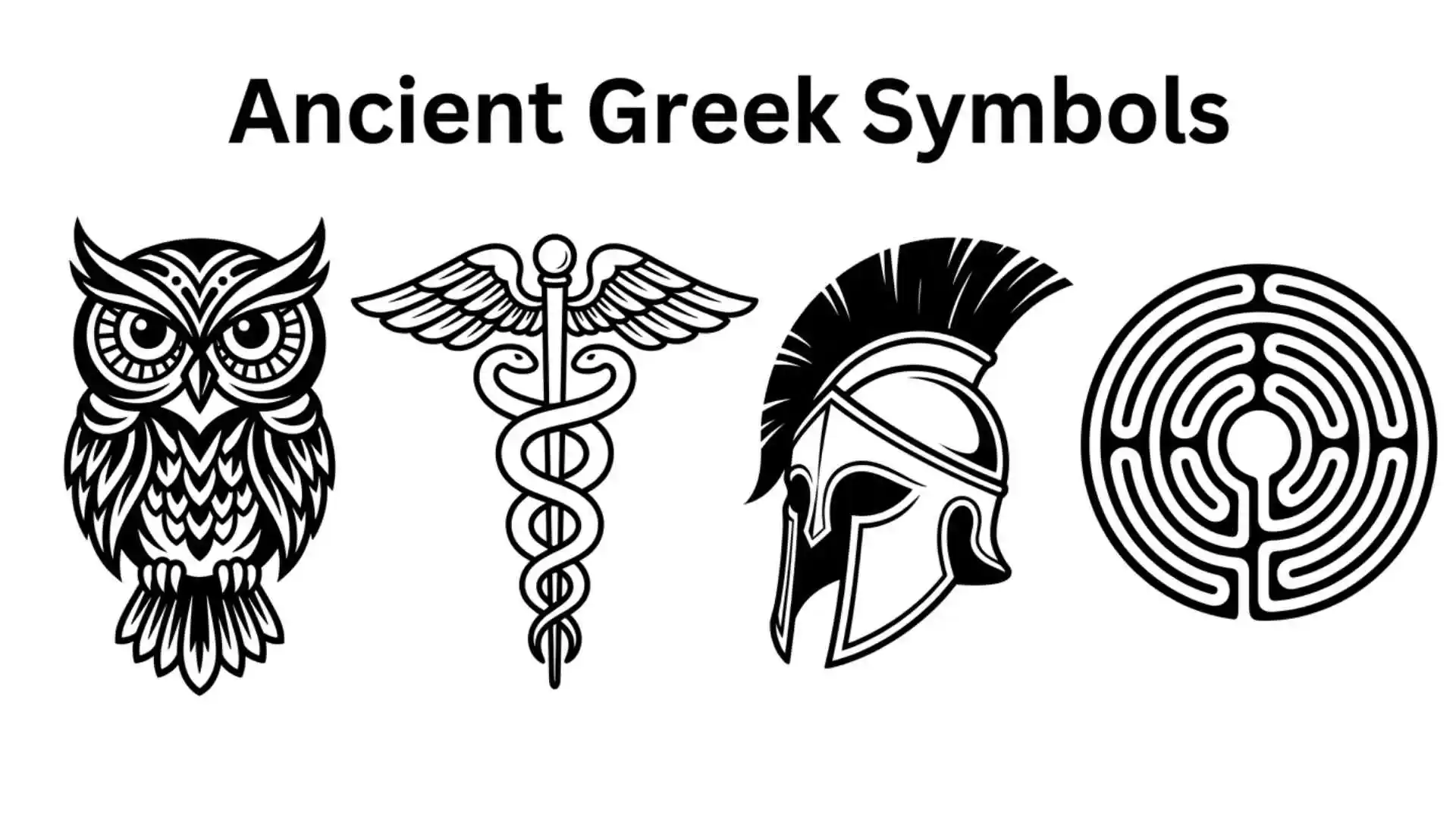
Ancient Greek symbols have fascinated people for centuries because they carry stories of power, wisdom, protection, love, destiny, and spiritual awakening. From temple walls to modern tattoos, from philosophy books to jewelry designs, these timeless marks continue to influence human imagination across cultures. Every symbol hides a deeper emotional meaning that connects the past with modern life.
When people look at ancient Greek symbols, they are often searching for something more than history. They want meaning. They want to understand what represents courage, balance, healing, strength, or eternity. These symbols became powerful because they reflected human emotions that still exist today. Fear, hope, ambition, loyalty, and transformation were all expressed through visual signs that survived thousands of years.
What makes Greek symbolism unique is its blend of mythology, philosophy, spirituality, and daily life. Some symbols were used to protect warriors in battle while others represented divine wisdom or inner peace. Even today many people in the USA, Europe, Asia, and Africa use these ancient signs in fashion, art, meditation, architecture, and personal identity.
In this guide, you will discover the most powerful ancient Greek symbols, their meanings, origins, psychological impact, and how different cultures interpret them today. You will also learn fascinating hidden stories behind symbols that continue to inspire modern society.
Ancient Greek Symbols and Meanings
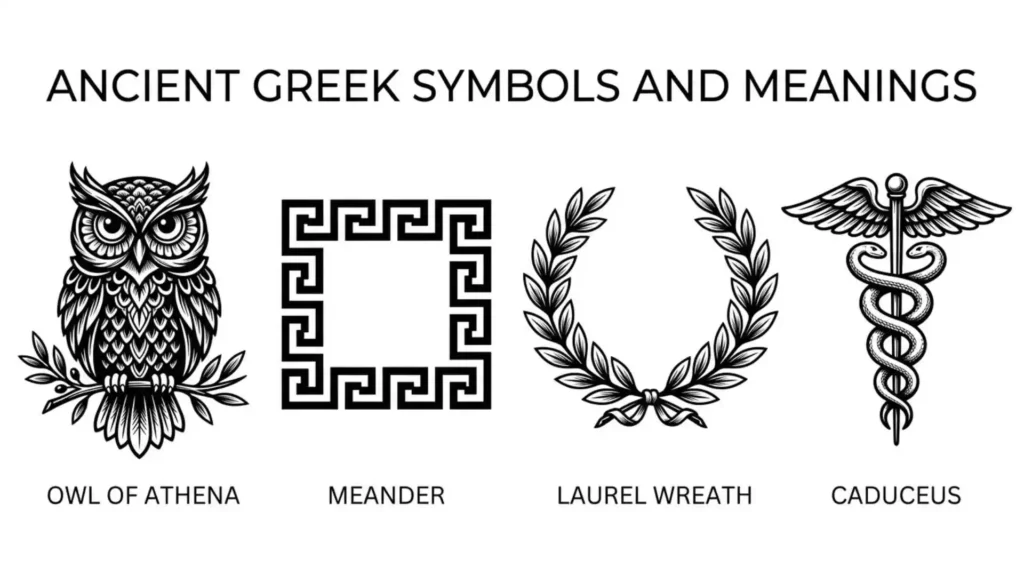
Ancient Greek civilization used symbols to represent deep philosophical ideas, natural forces, and divine powers. These symbols were not just decorative; they carried spiritual, cultural, and historical significance. From the laurel wreath symbolizing victory to the owl representing wisdom, each icon tells a story about Greek beliefs and values. Understanding these symbols helps decode ancient art, architecture, and mythology.
Ancient Greek Symbols Tattoos
Ancient Greek symbols are highly popular in modern tattoo culture due to their timeless meanings and aesthetic simplicity. People often choose symbols like the Greek key (Meander) for eternity, the Ouroboros for rebirth, or Athena’s owl for wisdom. These tattoos are not just visual designs but also personal expressions of strength, philosophy, and identity rooted in ancient heritage.
Ancient Greek Symbols Copy and Paste
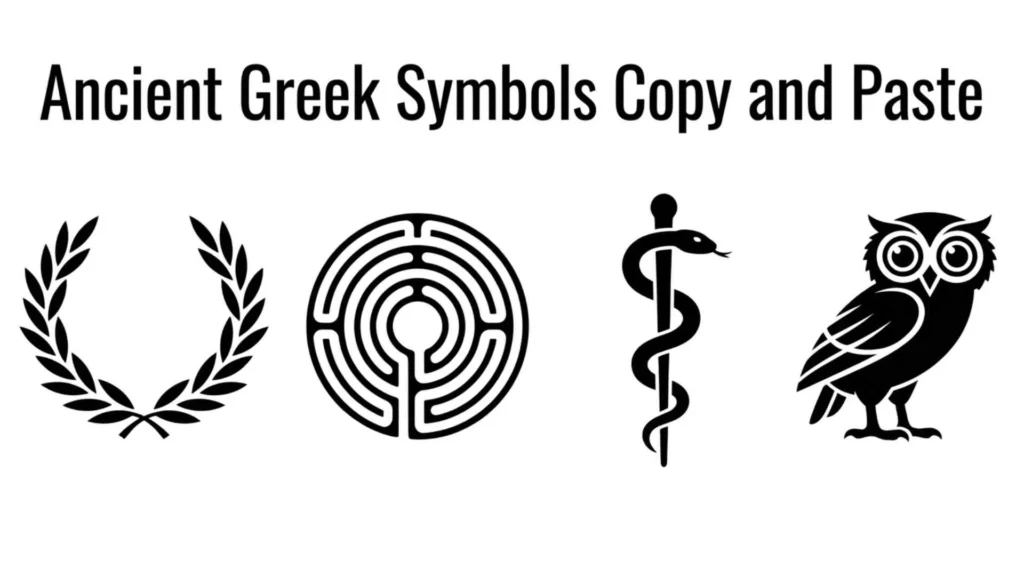
Many users search for Ancient Greek symbols in copy-paste form for digital use in bios, usernames, or design projects. Symbols like Ω (Omega), Δ (Delta), Σ (Sigma), and Φ (Phi) are commonly used. These characters are derived from the Greek alphabet and are widely used in mathematics, science, and modern aesthetic typography online.
Ancient Greek Symbols and Meanings Tattoos
When it comes to tattoos, Ancient Greek symbols carry layered meanings that go beyond appearance. For example, the laurel wreath symbolizes achievement and glory, while the labyrinth represents life’s complex journey. Choosing these tattoos often reflects a personal connection to philosophy, mythology, or the desire for protection, strength, and wisdom.
Mythology Symbols and Meanings
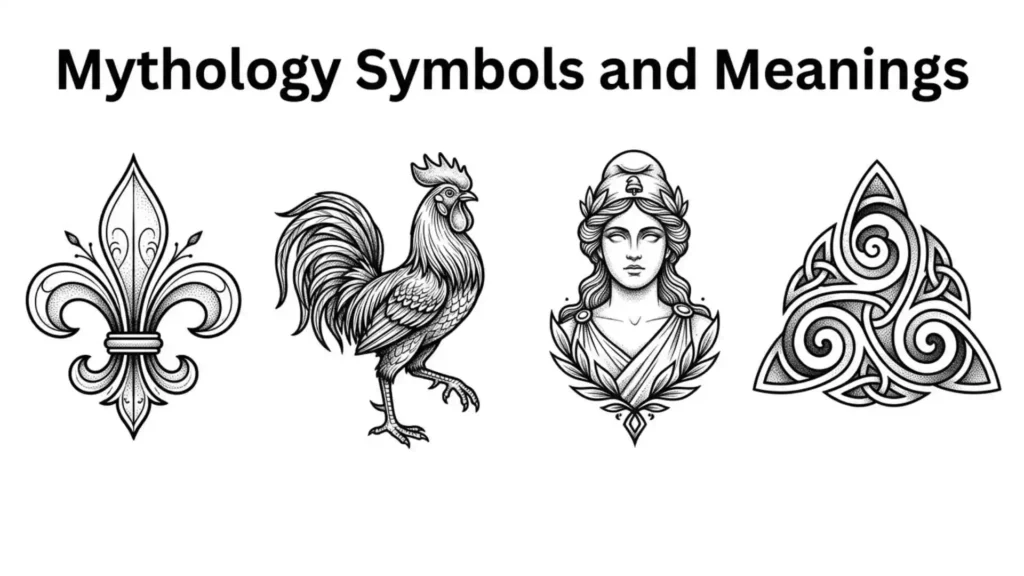
Greek mythology is rich with powerful symbols that represent gods, fate, and natural forces. Zeus’s lightning bolt symbolizes authority and power, Poseidon’s trident represents control over seas, and Medusa’s head is often used as a protective symbol. These mythological icons continue to influence modern storytelling, art, and cultural symbolism.
Ancient Greek Symbol for Life
One of the most recognized symbols associated with life in Ancient Greece is the “Phi” (Φ), often interpreted as representing balance and natural harmony. Another important concept is the Ouroboros, the serpent eating its own tail, symbolizing the cycle of life, death, and rebirth. These symbols reflect the Greek understanding of existence as continuous and interconnected.
Ancient Mythology Symbols
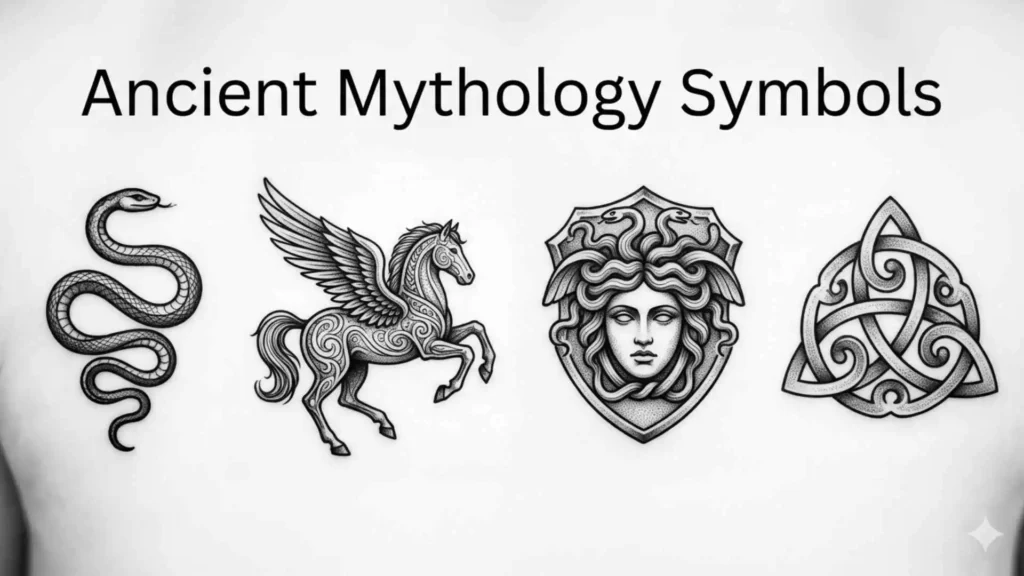
Ancient Greek mythology includes a wide range of symbols tied to gods, nature, and human destiny. The olive branch symbolizes peace, the cornucopia represents abundance, and the torch signifies knowledge and enlightenment. Each symbol is deeply tied to stories passed down through generations, shaping Western cultural heritage.
Ancient Greek Protection Symbols
Protection symbols in Ancient Greek culture were widely used in amulets, architecture, and personal items. The Gorgoneion (Medusa’s face) was believed to ward off evil, while the Evil Eye symbol protected against negative energy. These symbols were thought to offer spiritual defense and are still used today in jewelry and decorative art.
The Deep Cultural Power of Ancient Greek Symbols
Ancient Greece was not only the birthplace of democracy and philosophy. It was also a civilization deeply connected to symbolism. Greeks believed symbols could communicate truths beyond words. They used them in temples, coins, pottery, shields, jewelry, and sacred ceremonies.
Symbols in ancient Greece often represented gods, cosmic forces, human virtues, or spiritual protection. A simple design could stand for wisdom, eternal life, or victory. This symbolic language helped people express emotions and beliefs in a powerful visual way.
Psychologically symbols create emotional connection because the human brain responds strongly to images. Ancient Greek civilization understood this naturally. Their symbols were designed to inspire courage, loyalty, discipline, and spiritual reflection.
In Europe many Greek symbols became connected with intellectual traditions and classical education. In Asia some symbols are admired for their balance and philosophical depth. In Africa geometric symbolism shares similarities with spiritual protective patterns. In the USA Greek symbols often appear in universities, sports organizations, tattoos, and fashion because they represent prestige, strength, and legacy.
Did you know? Many modern logos and emblems still borrow ideas from ancient Greek symbolism because these shapes trigger feelings of authority and trust.
The Greek Omega Symbol and the Meaning of Eternity
One of the most recognized ancient Greek symbols is Omega. It is the last letter of the Greek alphabet and represents endings, completion, eternity, and ultimate truth.
In ancient philosophy Omega symbolized the final stage of existence. It reflected the idea that every journey eventually reaches wisdom and fulfillment. Later religious traditions adopted Omega to represent eternal life and divine infinity.
Emotionally Omega connects with people who seek closure, transformation, and spiritual understanding. Many individuals wear Omega jewelry during major life transitions because it symbolizes personal growth and the completion of difficult chapters.
In Western cultures Omega is often linked with leadership and excellence. In Asian spiritual traditions the concept of completion and universal cycles mirrors the symbolic meaning of Omega. African spiritual systems also connect circular endings with ancestral continuity and rebirth.
The Omega symbol appears in modern gaming, fitness branding, watches, and luxury fashion because it communicates timeless power and prestige.
Psychological Meaning of Omega
- Completion and fulfillment
- Inner wisdom
- Endurance through hardship
- Eternal connection
- Personal transformation
The Labyrinth Symbol and the Human Journey
The Labyrinth is one of the most mysterious symbols of ancient Greece. It is connected to the myth of King Minos and the Minotaur on the island of Crete. Unlike a maze, the labyrinth has one path leading toward the center and back out again.
For ancient Greeks the labyrinth symbol represented the journey of life. It reflected struggle, self discovery, confusion, and eventual enlightenment. The center symbolized truth and personal awakening.
Today many therapists and spiritual teachers use labyrinth imagery during meditation because walking symbolic paths helps reduce anxiety and improve focus.
Across Europe labyrinths appear in churches and sacred gardens. In Asia similar spiritual path symbols are connected with mindfulness and inner balance. African traditions often use circular journey patterns in rituals symbolizing ancestral guidance.
The emotional power of the labyrinth comes from its deep connection to the human experience. Everyone faces confusion, emotional darkness, and moments of uncertainty before finding clarity.
Did you know?
The labyrinth remains popular in modern psychology because it represents emotional healing and self reflection without requiring spoken language.
The Greek Key Symbol and Infinite Unity
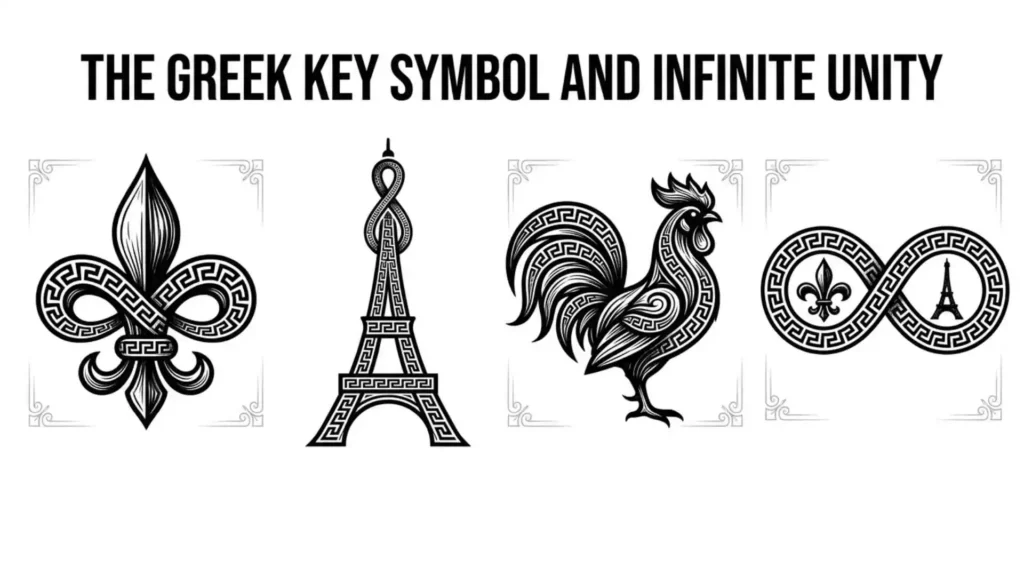
The Greek Key, also known as the Meander symbol, is one of the oldest decorative symbols from ancient Greece. It consists of repeating geometric lines forming continuous patterns.
This symbol represented infinity, unity, eternal flow, and interconnected life. Greeks often used it in architecture, clothing, pottery, and temple borders because it reflected order and harmony.
Emotionally the Greek Key creates a sense of stability and structure. Its repeating lines symbolize consistency, discipline, and connection between generations.
In modern America and Europe the Greek Key is popular in luxury interior design and fashion because it communicates elegance and sophistication. In Asian cultures repeating geometric patterns are often associated with balance and spiritual continuity. African textile art also uses repetitive patterns to symbolize community and ancestral connection.
Meaning of the Greek Key Symbol
- Eternal life
- Unity of humanity
- Endless love and loyalty
- Harmony and balance
- Strength through continuity
The symbol remains highly popular in jewelry and tattoo culture because people connect deeply with the idea of endless connection.
The Caduceus and Rod of Asclepius Symbols of Healing
Many people confuse the Caduceus and the Rod of Asclepius, but they have different meanings in ancient Greek symbolism.
The Rod of Asclepius features a single serpent wrapped around a staff and represents healing, medicine, and restoration. It is connected to Asclepius, the Greek god of medicine.
The Caduceus contains two serpents and wings. It was associated with Hermes, the messenger god, symbolizing negotiation, communication, and commerce.
The serpent itself carried strong psychological meaning in ancient Greece because it shed its skin, symbolizing rebirth and renewal.
Today hospitals and medical organizations around the world still use these symbols. In the USA both versions appear in healthcare branding though historians argue the Rod of Asclepius is the true medical symbol.
In Asia serpents often symbolize wisdom and life energy. African spiritual systems also associate snakes with transformation and healing rituals.
Emotional Meaning Behind Healing Symbols
- Recovery after suffering
- Renewal and hope
- Spiritual cleansing
- Human resilience
- Protection against harm
Did you know? Ancient Greek healing temples used dream therapy, herbal medicine, music, and symbolic rituals centuries before modern psychology emerged.
The Owl of Athena Symbol of Wisdom and Intelligence
The Owl of Athena became one of the most famous ancient Greek symbols because it represented wisdom, strategy, and intellectual clarity. Athena was the goddess of wisdom and warfare, and her owl symbolized the ability to see truth even in darkness.
Ancient Greeks admired owls because of their sharp vision and silent observation. The owl appeared on coins, shields, and educational symbols throughout Greek civilization.
Today the owl remains globally associated with intelligence and learning. Universities, libraries, and academic institutions continue using owl imagery because it instantly communicates knowledge and insight.
Psychologically the owl symbolizes emotional intelligence and calm thinking. People often connect with owl symbolism during periods of learning, career growth, or personal transformation.
In Native American traditions owls can symbolize mystery and spiritual guidance. In some Asian cultures owls represent protection and fortune. European traditions strongly associate owls with wisdom due to Greek influence.
Why People Connect with Owl Symbolism
- Desire for wisdom
- Need for guidance
- Intellectual growth
- Emotional awareness
- Strategic thinking
The Phoenix Symbol of Rebirth and Survival
Although the Phoenix became famous in many cultures, its symbolism was deeply connected with ancient Greek mythology. The legendary bird dies in flames and rises again from its ashes.
The Phoenix symbol represented rebirth, immortality, survival, and renewal after destruction. Ancient Greeks used it as a reminder that suffering can lead to transformation.
This symbol creates a strong emotional response because almost everyone experiences periods of pain, failure, or emotional loss. The Phoenix offers hope that new beginnings are always possible.
In modern psychology the Phoenix represents resilience and emotional recovery. Many people choose Phoenix tattoos after overcoming trauma, illness, addiction, or major life changes.
Across Asia the Phoenix often symbolizes harmony and feminine power. African traditions connect rebirth imagery with ancestral renewal. In Western cultures the Phoenix is strongly linked to perseverance and rising after hardship.
Emotional Meaning of the Phoenix
- Strength after pain
- Personal rebirth
- Courage during darkness
- Emotional healing
- Victory over adversity
Did you know? The Phoenix remains one of the most searched symbols online because people emotionally relate to stories of transformation and survival.
The Laurel Wreath Symbol of Victory and Achievement
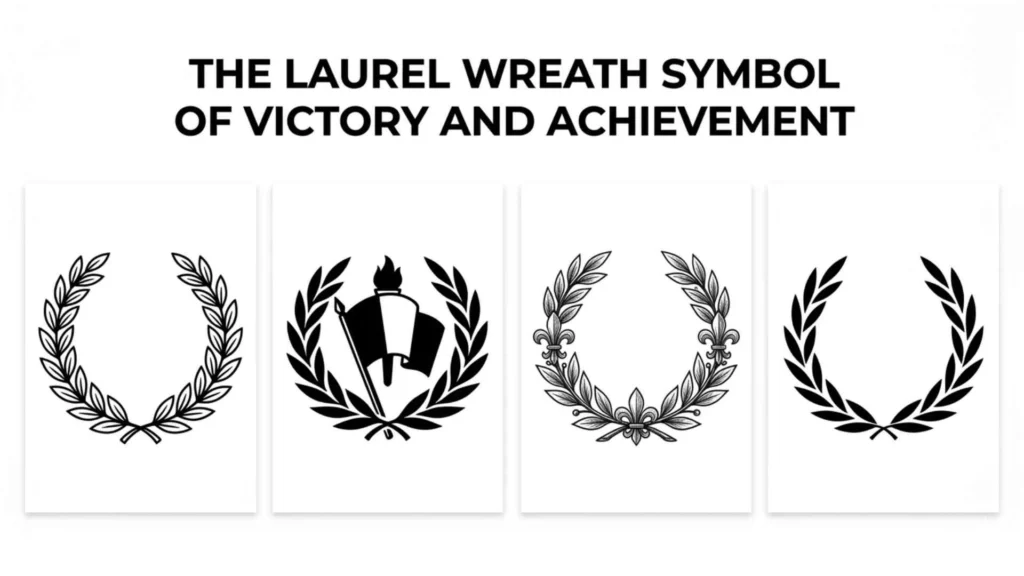
The Laurel Wreath was one of the highest honors in ancient Greece. Made from laurel leaves, it crowned athletes, poets, military heroes, and philosophers.
This symbol represented victory, excellence, honor, and achievement earned through effort. Ancient Olympic champions proudly wore laurel wreaths as a sign of greatness.
Psychologically the Laurel Wreath symbolizes recognition and self worth. Humans naturally desire appreciation for their hard work, making this symbol emotionally powerful even today.
In Europe laurel imagery remains connected with academic success and achievement. In the USA it appears in sports logos and graduation symbolism. Many cultures around the world use circular crowns to represent accomplishment and honor.
What the Laurel Wreath Represents
- Success through discipline
- Public recognition
- Wisdom and achievement
- Honor and integrity
- Human ambition
Today luxury brands and award ceremonies still use laurel symbolism because it instantly communicates prestige and excellence.
The Trident Symbol of Power and Emotional Depth
The Trident was the sacred weapon of Poseidon, the Greek god of the sea. This three pronged spear represented authority over oceans, storms, earthquakes, and emotional forces.
Water held deep symbolic importance in ancient Greece because it reflected unpredictability and emotional intensity. The Trident therefore symbolized control over chaos and inner power.
Emotionally this symbol resonates with people who value independence, emotional strength, and resilience. It often appears in tattoos, military insignias, and sports imagery because it communicates dominance and fearlessness.
In Hindu traditions tridents also symbolize divine power and spiritual balance. African coastal cultures often connect ocean symbols with ancestral spirits and protection.
Psychological Meaning of the Trident
- Emotional control
- Leadership and authority
- Strength during uncertainty
- Mastery over fear
- Protection and courage
Did you know? The Trident remains popular in modern pop culture because it visually represents both danger and power at the same time.
Why Ancient Greek Symbols Still Matter Today
Ancient Greek symbols continue to survive because human emotions have not changed as much as technology has. People still seek wisdom, healing, protection, identity, courage, and hope. Symbols provide emotional shortcuts that connect deeply with the subconscious mind.
Modern branding experts understand this psychological power. Many successful companies use symbolic design principles rooted in ancient cultures because symbols instantly communicate emotion and trust.
Social media and tattoo culture have also revived interest in ancient symbolism. Younger generations search for meaningful symbols that reflect their personality and emotional journey.
In spiritual practices Greek symbols are used during meditation, manifestation rituals, journaling, and self reflection. In education they remain part of philosophy, literature, mythology, and classical studies.
The reason these symbols endure is simple. They tell timeless human stories through visual language.
FAQs About Ancient Greek Symbols
What are the most famous ancient Greek symbols?
Some of the most famous ancient Greek symbols include Omega, the Greek Key, the Owl of Athena, the Phoenix, the Laurel Wreath, the Labyrinth, and the Rod of Asclepius.
What do ancient Greek symbols represent?
Ancient Greek symbols represent concepts such as wisdom, eternity, healing, rebirth, victory, protection, balance, and spiritual growth.
Why are Greek symbols still popular today?
Greek symbols remain popular because they carry emotional meaning and timeless human values. They are widely used in tattoos, fashion, architecture, education, and modern branding.
What is the Greek symbol for strength?
The Trident and the Spartan Lambda symbol are often associated with strength, courage, leadership, and warrior spirit in Greek symbolism.
Which Greek symbol means wisdom?
The Owl of Athena is the primary Greek symbol of wisdom, intelligence, and strategic thinking.
Are ancient Greek symbols spiritual?
Yes. Many ancient Greek symbols were connected with gods, healing rituals, cosmic beliefs, and spiritual transformation.
What is the meaning of the Greek Key symbol?
The Greek Key symbol represents infinity, eternal connection, unity, and the continuous flow of life.
Conclusion
Ancient Greek symbols continue to inspire the modern world because they speak directly to human emotions and universal experiences. These powerful signs represent wisdom, healing, resilience, courage, transformation, and eternal connection. Even after thousands of years their meanings still feel personal and relevant.
From the mysterious labyrinth to the triumphant laurel wreath, each symbol carries a story that reflects the struggles and dreams of humanity. Different cultures may interpret them in unique ways, yet their emotional impact remains universal.
In a fast moving digital world people still search for symbols that offer identity, guidance, and emotional depth. Ancient Greek symbols survive because they remind us that human nature has always searched for meaning beyond words.
Whether used in art, tattoos, philosophy, spirituality, or modern design, these timeless symbols continue to connect the ancient past with the human heart today.

Nicholas Allen is a passionate writer and symbolism researcher who explores the hidden meanings behind ancient signs, spiritual icons and cultural symbols from around the world. His work focuses on making complex symbolism easy to understand for modern readers.
He is the author of “Mystic Signs and Their Hidden Meanings”. Through his writing, Nicholas helps readers discover the stories, beliefs and mysteries connected to symbols across history and different cultures.