
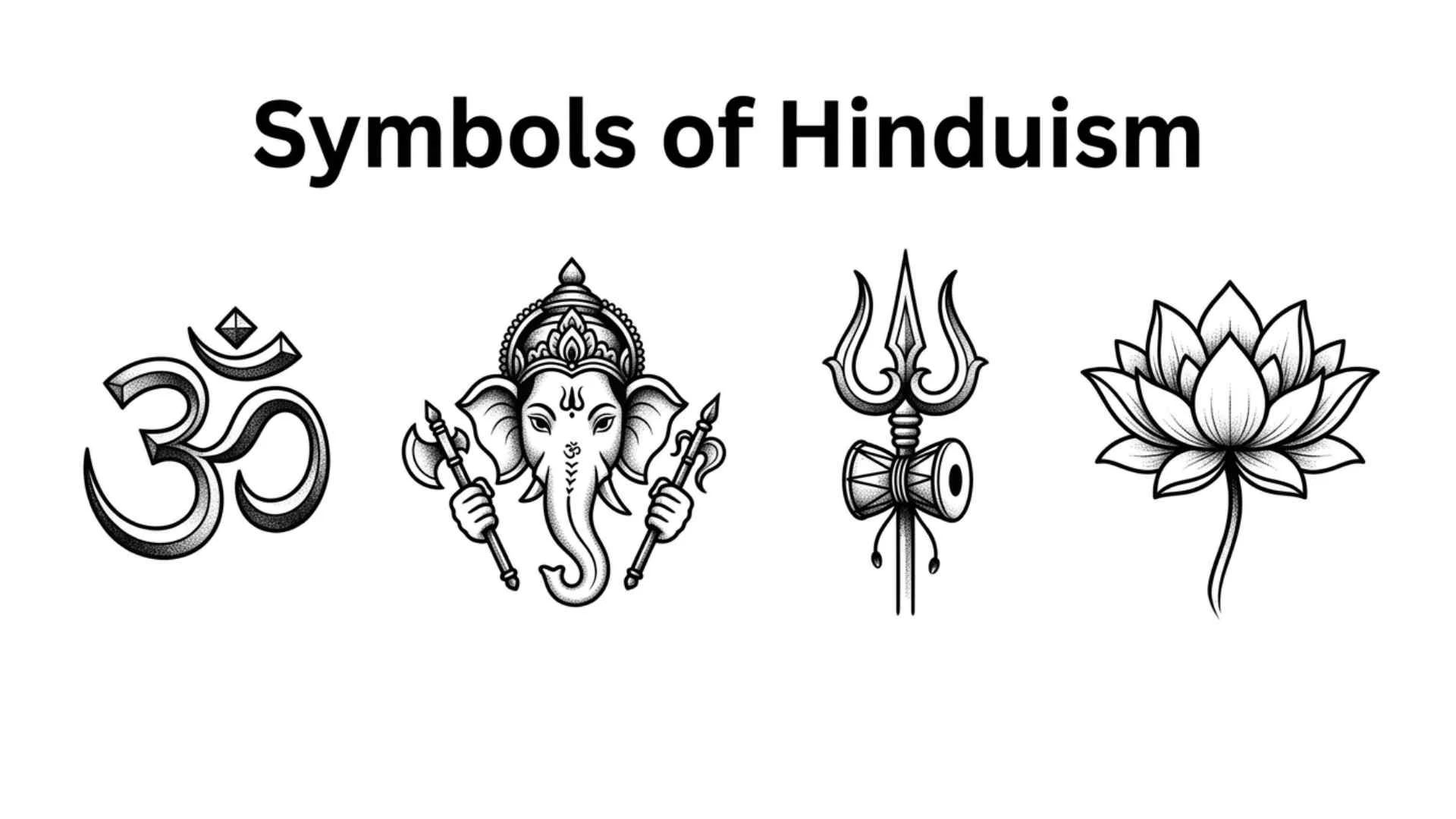
Hinduism is not just a religion, it is a living world of sacred signs, ancient wisdom, and spiritual energy. The symbols of Hinduism are deeply woven into temples, homes, festivals, meditation, and daily life. From the mystical Om to the protective Swastika, every symbol carries emotional depth, cosmic meaning, and a story that connects human life with the universe.
Many people see these symbols without truly understanding them. Yet each mark, shape, and sacred image represents peace, protection, creation, balance, or spiritual awakening. Across India and around the world, these Hindu symbols continue to inspire millions because they speak directly to the heart and soul.
Whether you are spiritually curious, studying world religions, or searching for the deeper meaning of symbols, this guide will help you explore the most powerful symbols of Hinduism in a simple and meaningful way. You will discover their origins, emotional significance, cultural interpretations, and why these sacred signs remain timeless even in the modern world.
The Spiritual Importance of Symbols in Hinduism
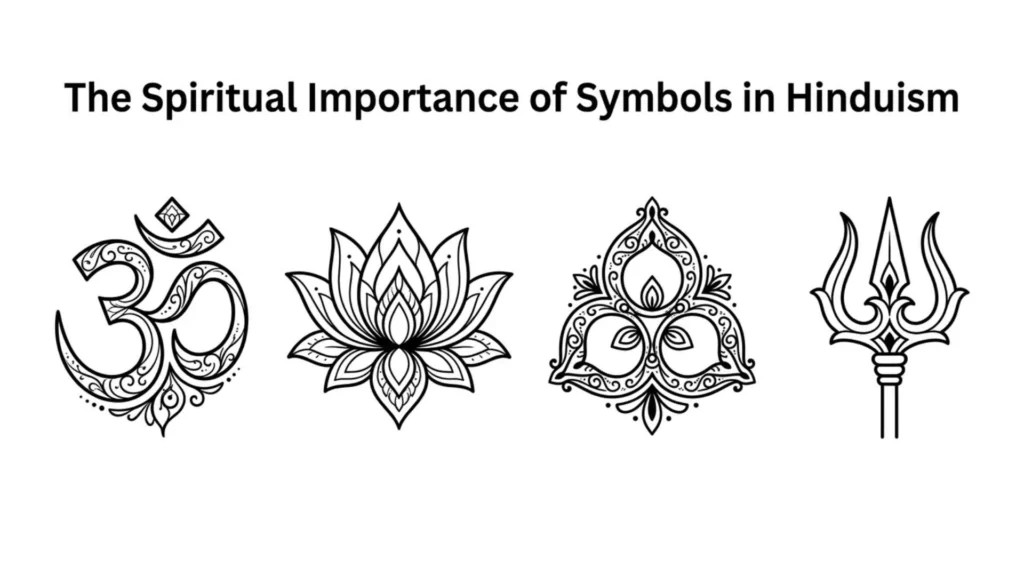
In Hindu philosophy, symbols are not just decorative images. They are believed to hold divine energy and spiritual vibrations. Ancient sages used symbols to explain complex truths about life, karma, consciousness, and the universe.
Before written scriptures became common, symbols helped people understand spiritual teachings visually. Even today, many Hindus meditate on sacred symbols because they create inner peace and mental focus.
Psychologically, symbols help the human mind connect emotions with meaning. A sacred sign can create feelings of safety, hope, strength, and calmness. This emotional connection is one reason Hindu symbols continue to remain powerful across generations.
Did you know?
Many Hindu symbols are thousands of years old and existed even before some modern civilizations were formed.
Om: The Sound of the Universe
Meaning of Om in Hinduism
The Om symbol is one of the most sacred and recognized symbols of Hinduism. It represents the original sound of the universe and the ultimate reality known as Brahman.
According to Hindu belief, all creation began with the vibration of Om. Chanting Om is believed to calm the mind, balance emotions, and connect a person with higher consciousness.
The symbol itself has multiple layers of meaning:
- The lower curve represents the waking state
- The middle curve symbolizes the dream state
- The upper curve represents deep sleep
- The dot symbolizes enlightenment
- The semicircle reflects illusion or Maya
Emotional and Psychological Meaning
People across the world use Om during yoga and meditation because it creates emotional grounding. The sound vibration slows breathing and reduces mental stress.
In Western cultures, Om is often associated with mindfulness and inner peace. In Asia, it remains deeply connected with spiritual awakening. Some African spiritual traditions also use sound vibrations similarly to create healing and community connection.
Why Om Remains Powerful Today
Even in modern life filled with noise and stress, Om reminds people to slow down and reconnect with themselves. It is more than a religious sign. It is a symbol of universal harmony.
The Swastika: A Sacred Symbol Misunderstood
Original Meaning of the Hindu Swastika
The Swastika is one of the oldest sacred symbols in Hinduism. Long before it was misused in Europe during World War II, it symbolized prosperity, good fortune, harmony, and divine blessings in Indian culture.
The word Swastika comes from Sanskrit and means well being or good existence.
In Hindu homes and temples, the symbol is commonly drawn during weddings, festivals, and religious ceremonies. It is believed to invite positivity and protection.
Difference Between Hindu and Nazi Symbols
The Hindu Swastika usually faces clockwise and carries spiritual meaning connected to life, sun energy, and success. The Nazi version was tilted and used for political hatred.
Understanding this difference is important because many people outside Asia misunderstand the symbol completely.
Cross Cultural Symbolism
- In India, it symbolizes blessings and auspicious beginnings
- In parts of Asia, it represents eternity and spiritual balance
- Ancient European cultures used similar sun symbols before modern history changed their meaning
Emotional Significance
For millions of Hindus, the Swastika remains a sacred family symbol connected to celebration, positivity, and faith.
Lotus Flower: The Symbol of Purity and Spiritual Growth
Why the Lotus Is Sacred
The Lotus flower is one of the most beautiful symbols in Hinduism. It grows in muddy water yet blooms perfectly clean and beautiful. This makes it a powerful symbol of spiritual growth and purity.
Many Hindu gods and goddesses are shown sitting on lotus flowers, including Lakshmi and Saraswati.
What the Lotus Represents
The lotus symbolizes:
- Purity of heart
- Spiritual awakening
- Rising above difficulties
- Inner beauty
- Enlightenment
Psychological Meaning
Emotionally, the lotus gives hope. It teaches people that difficult circumstances do not define their true potential.
This message is universal. In Buddhist cultures across Asia, the lotus also symbolizes awakening. In modern Western psychology, the lotus is often used as a symbol of resilience and personal transformation.
Did you know?
Different lotus colors have different meanings in Hindu tradition. White symbolizes purity, pink symbolizes divinity, and blue represents wisdom.
Trishul: The Powerful Symbol of Lord Shiva
Meaning of the Trishul
The Trishul, or trident, is the sacred weapon of Lord Shiva. It is one of the most powerful Hindu symbols representing balance and destruction of negativity.
The three points of the Trishul symbolize:
- Creation
- Preservation
- Destruction
They also represent:
- Past
- Present
- Future
Spiritual and Emotional Meaning
The Trishul teaches that life is always changing. Destruction is not always negative. Sometimes old habits, fears, and ego must disappear for growth to happen.
Psychologically, the Trishul symbolizes inner strength and emotional courage.
Similar Symbols Across Cultures
- In Greek mythology, Poseidon also carried a trident linked with power
- In some African traditions, triple pointed symbols represent ancestral protection
- In modern spirituality, the trident is often associated with personal power and transformation
Tilak: The Sacred Mark of Identity and Devotion
What Is a Tilak?
A Tilak is a sacred mark applied on the forehead during prayer and ceremonies. It is one of the most visible Hindu religious symbols.
Different shapes and colors represent different spiritual traditions.
Meaning Behind the Forehead Mark
The forehead area where Tilak is applied is believed to be the location of the third eye or spiritual center.
The Tilak symbolizes:
- Wisdom
- Divine protection
- Spiritual focus
- Religious identity
Emotional Connection
For many Hindus, applying Tilak creates a feeling of discipline, peace, and connection with God. It also strengthens family and cultural identity.
In some cultures outside India, forehead markings also symbolize spirituality or tribal identity. This shows how humans across the world use symbols to express belonging and sacred connection.
The Banyan Tree: Symbol of Eternal Life
Why the Banyan Tree Is Sacred
The Banyan tree is considered holy in Hinduism because of its long life and ever growing roots. It symbolizes immortality, wisdom, and shelter.
Many spiritual teachers in ancient India meditated beneath banyan trees because they represented stability and divine presence.
Spiritual Meaning
The tree represents:
- Eternal life
- Knowledge
- Strength
- Connection between generations
Psychological Symbolism
Trees often symbolize emotional grounding. The Banyan tree especially creates feelings of protection and continuity.
Across cultures:
- In Africa, sacred trees are connected with ancestors
- In Europe, oak trees symbolize wisdom and endurance
- In America, trees often represent nature and spiritual healing
The Banyan tree reminds people to stay deeply rooted while continuing to grow.
Cow Symbolism in Hinduism
Why the Cow Is Respected
The cow is one of the most respected living symbols in Hindu culture. It represents motherhood, kindness, nourishment, and nonviolence.
Hindus believe cows provide selfless giving through milk and support human life peacefully.
Spiritual Meaning of the Cow
The cow symbolizes:
- Compassion
- Abundance
- Motherly care
- Harmony with nature
Emotional Importance
For many families, the cow represents gratitude and gentle living. This emotional connection is why cows are treated with deep respect in Hindu communities.
Cross Cultural Perspective
- In ancient Egypt, cows symbolized fertility
- In African cultures, cattle often represent wealth and family honor
- In modern environmental movements, cows can symbolize sustainable living and agriculture
Did you know?
The sacred cow concept in Hinduism is closely linked to the principle of Ahimsa, which means nonviolence toward all living beings.
The Conch Shell: Symbol of Divine Sound and Victory
Meaning of the Conch Shell
The Conch shell, known as Shankha, is blown during Hindu rituals and temple ceremonies. Its sound is believed to remove negative energy and purify the environment.
The conch is associated with Lord Vishnu and divine protection.
Spiritual Symbolism
The conch represents:
- Sacred sound
- Victory of good over evil
- Spiritual awakening
- Purification
Emotional and Psychological Impact
The sound of the conch creates a powerful emotional atmosphere. Many people describe it as calming, energizing, and spiritually uplifting.
In ancient cultures around the world, shells were also used in ceremonies and communication. This shows how sound and symbolism connect deeply with human emotion across civilizations.
How Hindu Symbols Influence Modern Life
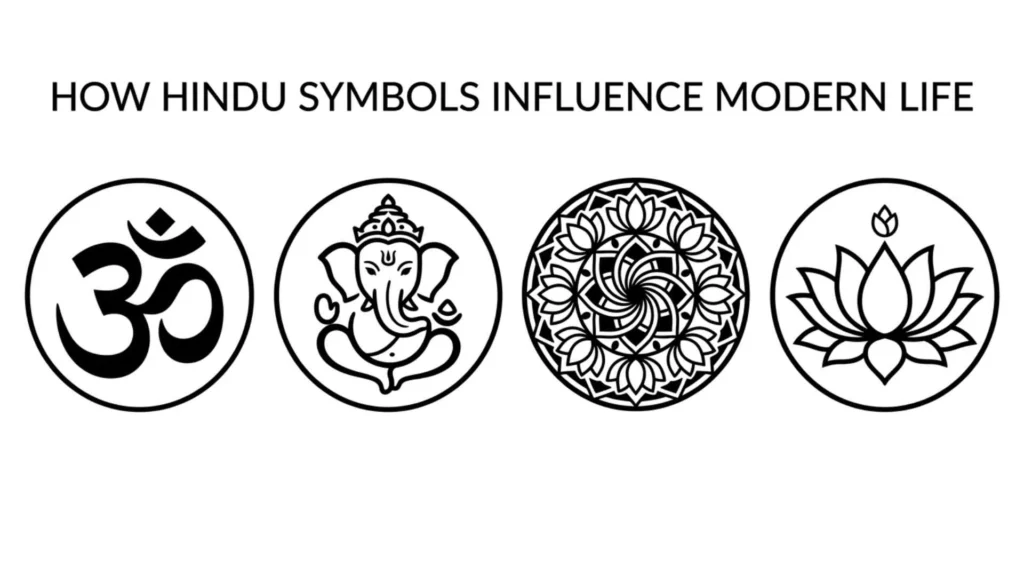
Even today, Hindu symbols are visible in yoga studios, jewelry, tattoos, meditation spaces, architecture, and fashion. Yet their deeper meanings often go beyond decoration.
People are increasingly drawn to these symbols because they offer emotional comfort in a fast moving world.
Modern Psychological Relevance
Hindu symbols continue to inspire people because they represent timeless emotional needs:
- Om represents peace
- Lotus represents hope
- Trishul represents strength
- Tilak represents identity
- Banyan tree represents stability
These symbols help people feel connected to something larger than themselves.
Influence Around the World
- In the USA, Hindu symbols are often linked with mindfulness and wellness
- Across Asia, they remain deeply spiritual
- In Europe, they inspire artistic and philosophical interest
- In Africa, many people relate to their symbolic connection with ancestors and nature
The universal emotional meanings behind these symbols explain why they continue to cross cultural boundaries.
Hidden Wisdom Behind Hindu Symbols
One reason Hindu symbols remain powerful is because they speak through layers of meaning. A child may see beauty in the lotus while a spiritual seeker sees enlightenment.
These symbols communicate truths that words sometimes cannot express.
They remind humanity about:
- Balance in life
- Respect for nature
- Inner peace
- Compassion
- Spiritual growth
- The cycle of existence
In a world that often feels disconnected, these ancient symbols continue to offer emotional guidance and timeless wisdom.
FAQs About Symbols of Hinduism
What is the most important symbol in Hinduism?
Om is widely considered the most important symbol because it represents the sound and energy of the universe.
Why is the lotus flower important in Hinduism?
The lotus symbolizes purity, spiritual growth, and rising above difficulties despite challenges.
Is the Hindu Swastika the same as the Nazi symbol?
No. The Hindu Swastika is an ancient spiritual symbol representing peace and prosperity, while the Nazi version was politically distorted.
Why do Hindus wear Tilak on the forehead?
Tilak symbolizes spiritual awareness, devotion, and protection. It also represents the third eye.
What does the Trishul represent?
The Trishul symbolizes creation, preservation, destruction, and the balance of life forces.
Why are cows sacred in Hinduism?
Cows symbolize compassion, nourishment, motherhood, and nonviolence in Hindu culture.
What does the conch shell symbolize in Hinduism?
The conch shell represents sacred sound, spiritual awakening, and victory of positivity over negativity.
Conclusion
The symbols of Hinduism are far more than ancient designs or religious decorations. They are emotional, spiritual, and psychological guides that have shaped human understanding for thousands of years. Each symbol carries a message about life, peace, strength, compassion, or transformation.
From the calming vibration of Om to the hopeful beauty of the Lotus, these sacred signs continue to inspire people across cultures and generations. Their meanings remain relevant because they touch universal human emotions and spiritual desires.
In modern times, where people often search for deeper meaning and inner balance, Hindu symbols offer timeless wisdom that still speaks powerfully to the human soul. Understanding these symbols is not only a journey into Hindu culture, it is also a journey into the deeper meaning of life itself.

Amelia Scott is a passionate writer and symbolism researcher who explores the hidden meanings behind ancient signs, spiritual icons and cultural symbols. She enjoys uncovering the stories and mysteries connected to symbols from around the world.
She is the author of “Mystic Marks And Secret Meanings” and “Echoes Of Forgotten Symbols”. Her work combines history, spirituality and mythology to help readers better understand the deeper meaning of symbols in everyday life.
Through her writing, Amelia aims to make the world of symbols fascinating, meaningful and easy to explore.