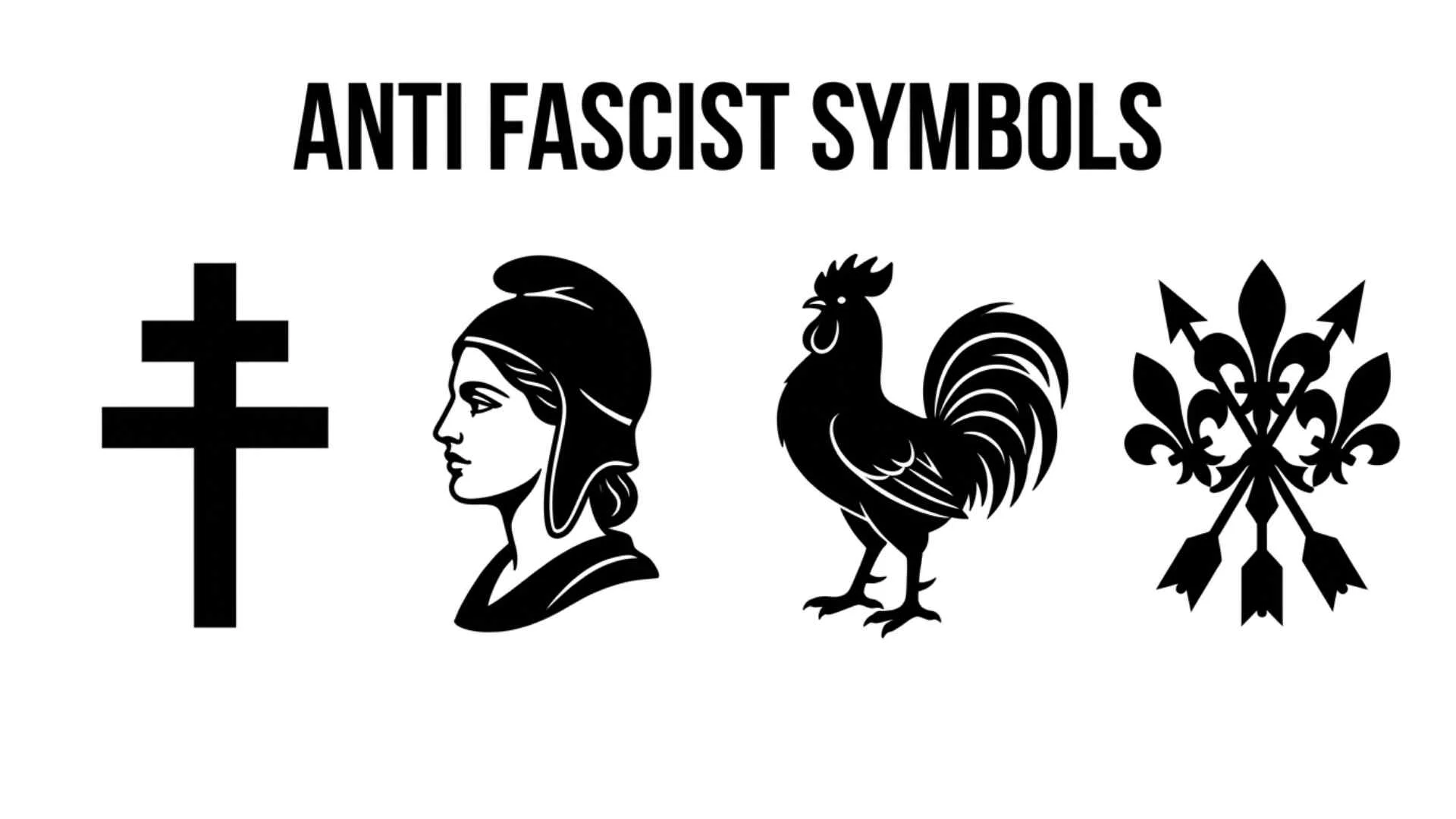
Anti fascist symbols carry powerful emotional stories of resistance, courage, freedom, and collective strength. Across decades, people have used these symbols to stand against oppression, authoritarian rule, racism, hate movements, and political violence. From street protests in Europe to civil rights movements in the United States, anti fascist symbols have become visual reminders that ordinary people can challenge fear and injustice together.
Many people recognize these images without fully understanding their origins or emotional meaning. Some symbols were born during wars, while others emerged from labor struggles, youth movements, and underground resistance groups. Today, these symbols appear on flags, posters, murals, jackets, tattoos, and social media activism across the world.
Understanding anti fascist symbols is not only about politics. It is also about culture, identity, psychology, art, and human emotion. Every symbol tells a story about hope, defiance, survival, and the desire for equality. In this guide, you will discover the history, symbolism, emotional meaning, and global interpretations of the most recognized anti fascist symbols used throughout history and today.
Three Arrows Symbol
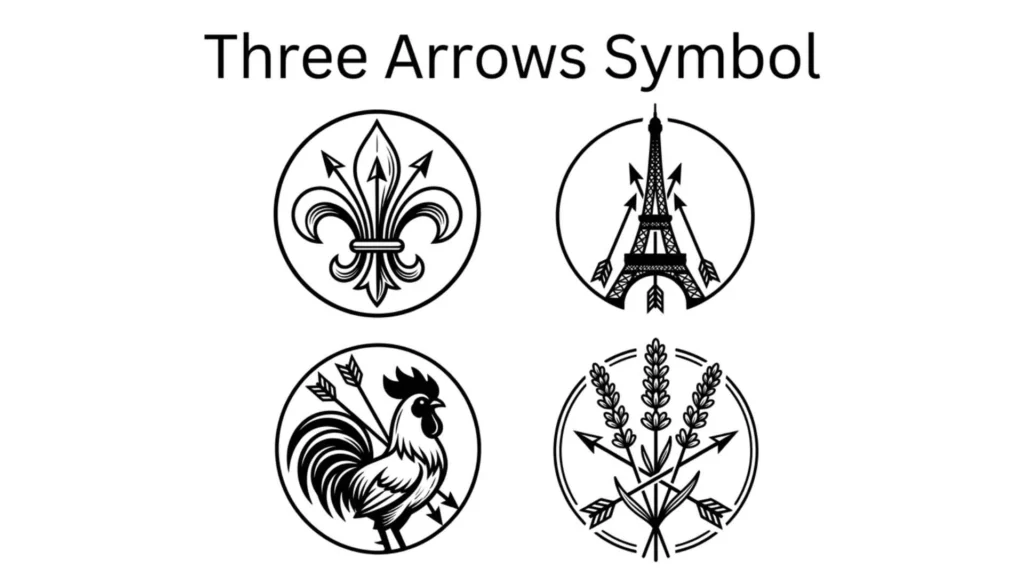
The Three Arrows symbol is a political symbol that originated in Germany during the early 1930s. It was created as a sign of resistance against authoritarian and extremist movements. The design features three arrows pointing diagonally downward, often placed over a circle or other political symbols.
The symbol became widely recognized through the Iron Front, which used it to promote democracy and oppose political extremism.
Today, the Three Arrows symbol is still used by some political and social groups as a symbol of democratic values, resistance to authoritarianism, and support for civil rights.
NLP Keywords: Three Arrows symbol, political symbol, democratic symbol, historical symbol
LSI Keywords: anti-authoritarian symbol, political history, resistance movement, democracy symbol
Three Arrows Down Symbol
The Three Arrows Down symbol refers to the original version of the Three Arrows design, where all three arrows point diagonally downward from left to right.
The downward direction was part of the symbol’s original artistic design and historical identity. The arrows were intended to visually strike through opposing political symbols and messages.
Over time, the symbol became associated with democratic resistance and political activism rather than the direction of the arrows themselves.
Semantic Keywords: downward arrows symbol, historical emblem, political movement symbol
Iron Front Symbol
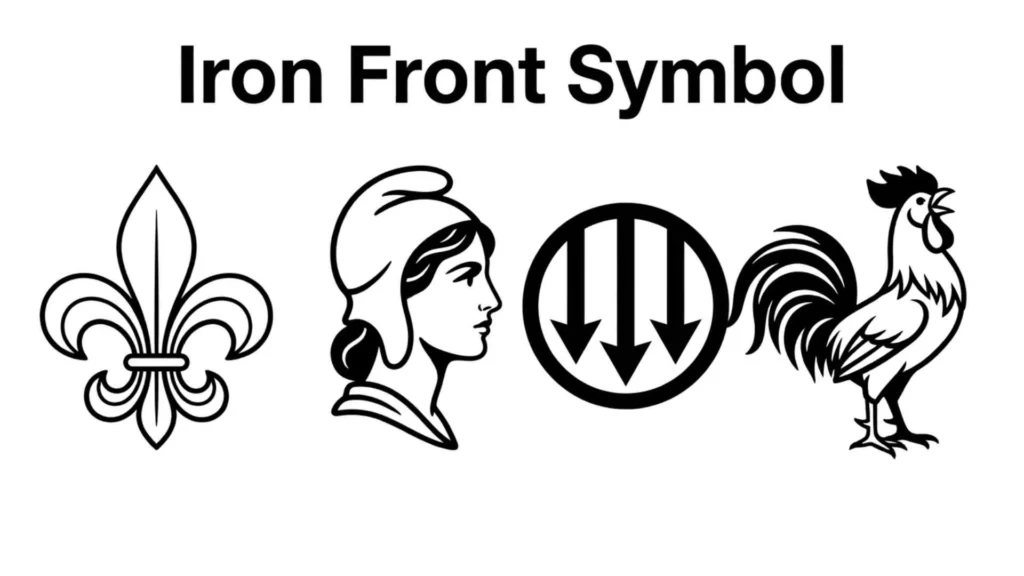
The Iron Front adopted the Three Arrows as its official emblem in 1931. The organization was founded to defend democratic institutions and oppose extremist political movements during a turbulent period in German history.
The symbol was designed to be simple, recognizable, and easy to reproduce on posters, banners, and publications. Because of its strong visual impact, it quickly became one of the best-known political symbols of the era.
Today, many people recognize the Three Arrows as the historic symbol of the Iron Front.
NLP Keywords: Iron Front symbol, Iron Front logo, German political history
Three Arrows Symbol Meaning
The meaning of the Three Arrows has been interpreted in different ways throughout history. One common interpretation is that the arrows represent opposition to three forms of authoritarianism and extremism that threatened democracy during the period when the symbol was created.
The symbol is generally associated with:
- Defense of democracy
- Political freedom
- Civil rights
- Resistance to authoritarian rule
Because interpretations have varied over time, the broader message of democratic resistance is usually considered the most widely accepted meaning.
LSI Keywords: symbol meaning, democratic values, political resistance, freedom movement
Three Arrows Symbol Pointing Up
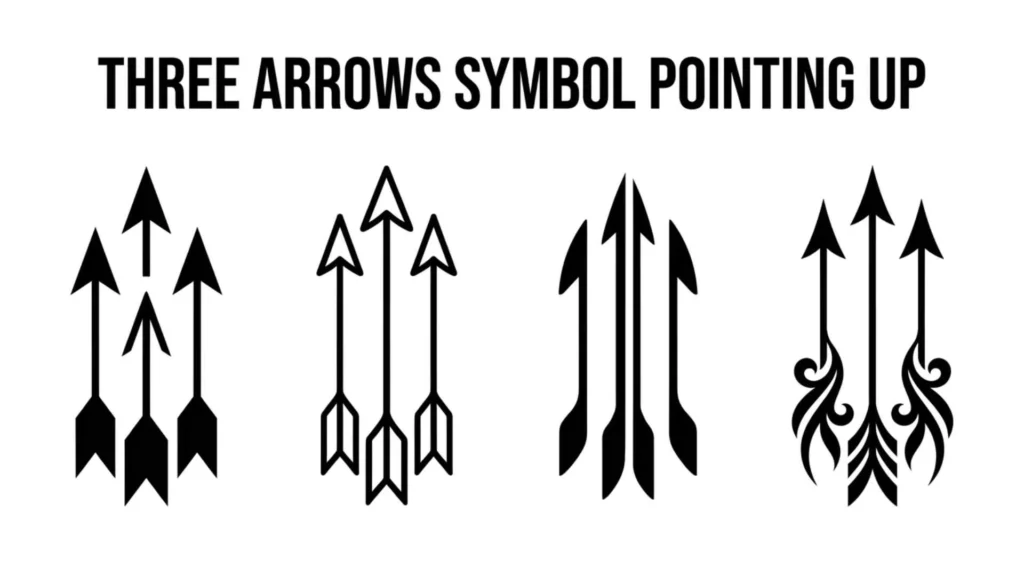
Although the traditional Three Arrows symbol points downward, modern artists and designers sometimes create versions with arrows pointing upward.
An upward design is usually a modern adaptation rather than the original historical symbol. In these versions, the arrows may be used to represent progress, unity, hope, or social change.
However, the historically recognized Three Arrows symbol remains the downward-pointing version associated with the Iron Front.
Semantic Keywords: upward arrows symbol, modern adaptation, symbolic design
Three Arrows Symbol Down Syndrome
The Three Arrows symbol is generally not associated with Down syndrome. However, people sometimes confuse different arrow-based logos, awareness symbols, and advocacy designs.
Organizations that support Down syndrome awareness typically use their own unique logos and visual identities rather than the historic Three Arrows symbol.
When researching symbols, it is important to consider the context and organization using the design because similar-looking symbols may have completely different meanings.
NLP Keywords: Down syndrome symbol, awareness symbols, advocacy logos
Three Arrows Anti Communist
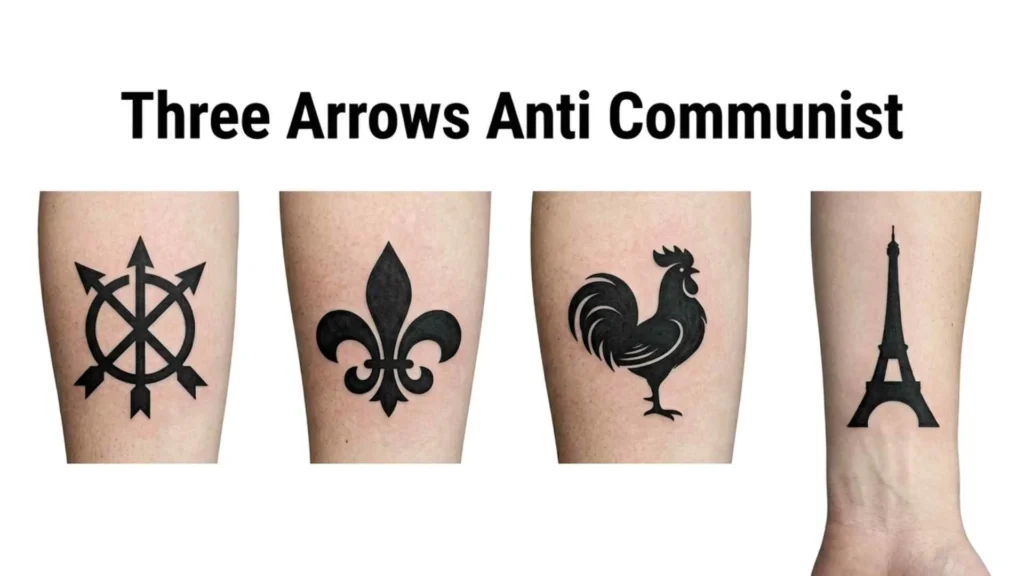
Historically, the Three Arrows symbol was used by groups that opposed several forms of political extremism. Because of this history, many sources describe the symbol as being anti-communist, anti-authoritarian, and pro-democracy.
The exact interpretation can vary depending on the historical source and political context being discussed. Modern users of the symbol may focus more broadly on democratic principles and opposition to authoritarian movements.
Understanding the historical background helps explain why the symbol remains politically significant today.
LSI Keywords: anti-communist symbol, democratic movement, political activism, historical politics
Iron Front Symbol Meaning
The Iron Front symbol represents support for democratic government and opposition to authoritarian political movements.
The Three Arrows design became the organization’s most recognizable emblem because it was easy to draw, easy to recognize, and carried a strong message of resistance.
Today, the symbol is often studied in discussions of political history, democratic movements, and twentieth-century Europe. Its historical significance continues to make it a widely recognized political symbol.
Semantic Keywords: Iron Front meaning, democratic resistance, political history, historical emblem
What Are Anti Fascist Symbols?
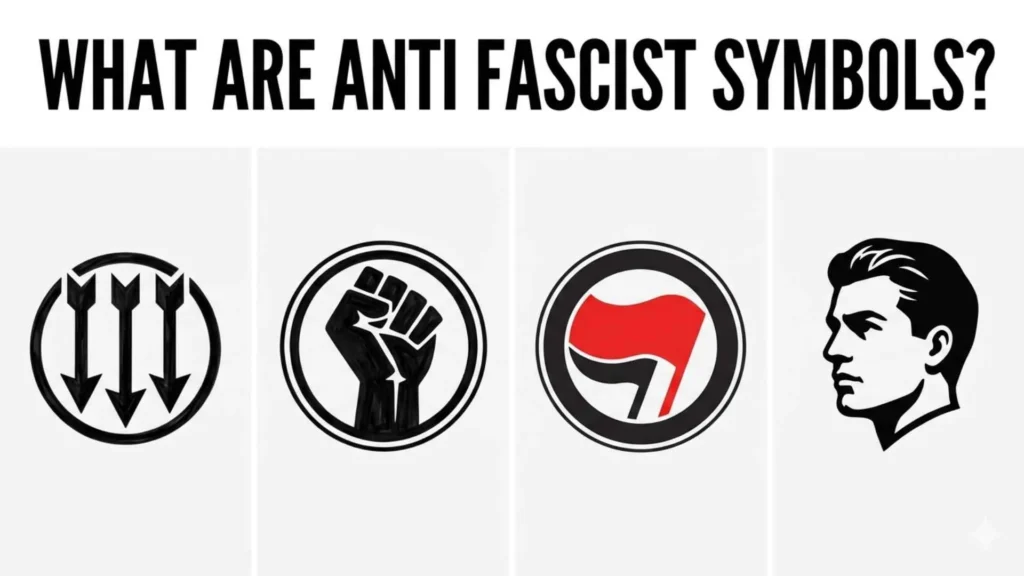
Anti fascist symbols are visual signs, logos, colors, flags, gestures, and artistic images used to oppose fascism, authoritarianism, racism, white supremacy, and political oppression. These symbols often represent solidarity, resistance, freedom, equality, and collective action.
Fascism itself is linked with extreme nationalism, dictatorship, suppression of opposition, and centralized power. Anti fascist movements emerged in response to these systems, especially during the rise of fascist regimes in Europe during the early twentieth century.
Today, anti fascist symbolism appears in many forms, including:
- Protest banners
- Graffiti art
- Punk and street fashion
- Human rights campaigns
- Labor union imagery
- Digital activism
- Community organizing materials
These symbols often communicate messages instantly, even without words. That emotional immediacy is why they remain so powerful.
The Three Arrows Symbol and Its Powerful Meaning
One of the most recognized anti fascist symbols is the Three Arrows symbol. It consists of three diagonal arrows pointing downward.
Originally created in Germany during the 1930s, the symbol was associated with resistance against fascism and authoritarian political forces. The arrows were designed to visually strike through fascist imagery used at the time.
Emotional Meaning of the Three Arrows
The Three Arrows symbolize active resistance rather than passive disagreement. Psychologically, the design creates a feeling of movement, force, and collective energy. Many people associate it with courage and organized opposition.
The symbol also reflects unity among different groups fighting against oppression. Historically, the arrows represented resistance against:
- Fascism
- Monarchism
- Authoritarian communism
Today, many activists interpret the symbol more broadly as resistance against hate, discrimination, and extremism.
Cultural Interpretations Around the World
In Europe
The Three Arrows remain closely linked with historical anti fascist resistance movements, especially in Germany and France.
In the United States
The symbol is often connected to grassroots activism, labor rights, and anti racism campaigns.
In Asia and Africa
The symbol is sometimes used in student activism and anti authoritarian movements where resistance against state oppression becomes a central issue.
Did You Know?
The Three Arrows were intentionally designed to be easy to paint quickly on walls and posters during political conflicts in Europe.
The Antifascist Action Flag and Why It Became Iconic
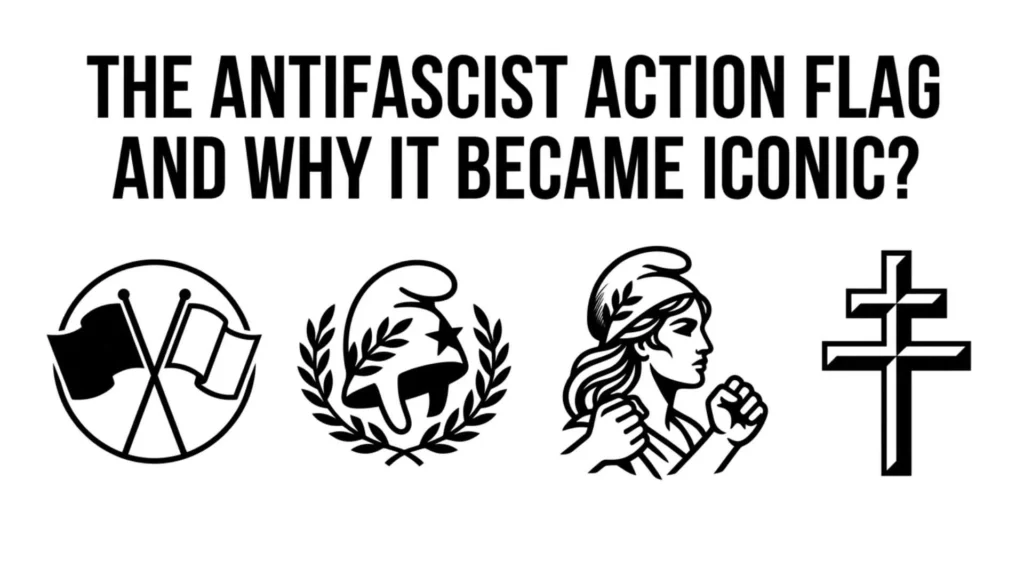
The Antifascist Action flag is one of the most recognizable modern anti fascist symbols. It usually features two waving flags inside a circular logo.
The original design came from Germany in the early twentieth century. Modern versions often use black and red colors.
What the Colors Represent
- Red commonly symbolizes socialism, labor movements, sacrifice, and revolutionary struggle
- Black often represents anarchism, resistance, independence, and anti authoritarian ideas
Together, the colors communicate collective action against oppression and inequality.
Psychological Power of the Design
The circular movement of the flags creates a feeling of momentum and unity. Unlike rigid political emblems, the waving flags feel alive and active. This emotional effect makes the symbol highly effective in protests and demonstrations.
Why Young Activists Connect With It
Modern generations often view the Antifascist Action flag as a symbol of standing up against injustice and protecting vulnerable communities. It is frequently seen at:
- Human rights rallies
- Student protests
- Community defense events
- Anti racism demonstrations
Its strong visual identity makes it instantly recognizable worldwide.
The Raised Fist Symbol and Collective Strength
The raised fist is one of the oldest and most universal symbols of resistance. While it is not exclusively anti fascist, it has become deeply connected with anti oppression movements globally.
Historical Origins
The raised fist has appeared in labor movements, anti colonial struggles, civil rights activism, and anti fascist campaigns throughout history.
It gained major international visibility during the twentieth century as marginalized communities demanded equality and justice.
Emotional and Psychological Meaning
The fist symbolizes:
- Strength
- Defiance
- Unity
- Survival
- Human dignity
Psychologically, the clenched fist communicates determination and emotional resilience. It sends a clear message that people refuse to surrender to fear or oppression.
Global Meanings Across Cultures
United States
The raised fist is strongly associated with civil rights, anti racism, and social justice movements.
Africa
It often symbolizes anti colonial resistance and liberation struggles.
Europe
The fist became connected with labor activism and anti fascist resistance groups.
Asia
Student movements and democracy campaigns have adopted the symbol during political protests.
Did You Know?
The raised fist became one of the most reproduced protest symbols in human history because it can be understood across languages and cultures instantly.
The Circle A Symbol and Anti Authoritarian Ideas
The Circle A symbol combines the letter A inside a circle. Although it is mainly associated with anarchism, it frequently appears in anti fascist movements because many anti fascist activists oppose authoritarian systems.
Meaning Behind the Symbol
The letter A stands for anarchism, while the circle often represents unity, cooperation, and collective humanity.
The symbol communicates ideas such as:
- Freedom from authoritarian control
- Mutual aid
- Community solidarity
- Resistance against oppressive systems
Why It Connects Emotionally With Protest Movements
The simplicity of the design makes it powerful. It feels rebellious yet hopeful. Many young people connect with the symbol because it represents independence and resistance against rigid power structures.
Cultural Differences in Interpretation
In Western countries, the Circle A is often tied to punk culture and political activism. In some regions, however, it is viewed more as a symbol of youth rebellion than organized political ideology.
This flexibility allows the symbol to evolve across generations.
Black Flags and Their Meaning in Anti Fascist Movements
Black flags hold deep symbolic meaning in resistance movements. They are often associated with mourning, rebellion, refusal, and resistance to authoritarian control.
Emotional Symbolism of Black
Color psychology plays a huge role here. Black can represent:
- Grief for victims of oppression
- Anger against injustice
- Mystery and resistance
- Strength through unity
Unlike national flags that symbolize state power, black flags often reject centralized authority entirely.
Historical Use of Black Flags
Black flags appeared in revolutionary movements during the nineteenth and twentieth centuries. Over time, they became associated with anti authoritarian and anti fascist activism.
Why Black Flags Feel Powerful
The visual simplicity creates emotional intensity. A plain black flag feels stark, serious, and uncompromising. During protests, it can communicate urgency and collective anger without needing text.
Modern Usage
Today, black flags appear in:
- Street demonstrations
- Protest art
- Political murals
- Punk and activist culture
- Community defense groups
The Red and Black Color Combination in Resistance Symbols
Many anti fascist symbols use red and black together. This color pairing carries strong historical and emotional associations.
Why Red Matters
Red often symbolizes:
- Sacrifice
- Revolution
- Passion
- Human struggle
- Labor rights
Why Black Matters
Black symbolizes:
- Resistance
- Rebellion
- Mourning
- Anti authoritarian ideals
Together, these colors create a visual language of resistance and solidarity.
Psychological Effect of These Colors
Red increases emotional intensity and urgency. Black adds seriousness and power. Combined, they create symbols that feel emotionally charged and memorable.
This is one reason why anti fascist imagery remains visually impactful even decades later.
Anti Fascist Symbols in Modern Pop Culture
Anti fascist symbolism is no longer limited to political movements. Today, these images appear in music, fashion, films, social media, street art, and digital activism.
Punk Culture and Resistance
Punk communities helped popularize anti fascist symbols globally during the late twentieth century. Bands, artists, and underground scenes used visual imagery to reject racism and authoritarian ideas.
Street Art and Graffiti
Murals and graffiti often transform anti fascist symbols into public storytelling tools. Artists use walls and urban spaces to communicate resistance, memory, and social awareness.
Social Media Activism
Modern activism spreads symbols faster than ever. A single image can become globally recognized within hours through digital platforms.
This creates emotional solidarity between people in different countries facing similar struggles.
Fashion and Symbolic Identity
Many people wear anti fascist symbols on:
- Jackets
- Pins
- T shirts
- Patches
- Tattoos
For some, these symbols express personal identity and values rather than political organization.
Why Symbols Matter Emotionally and Psychologically
Symbols influence human emotions deeply because the brain processes images faster than words.
Anti fascist symbols often work psychologically by creating:
- Group identity
- Emotional connection
- Collective courage
- Shared memory
- Resistance against fear
The Power of Shared Identity
When people see a familiar symbol during difficult times, they often feel less alone. This emotional effect strengthens solidarity and community connection.
Visual Resistance Against Fear
Authoritarian systems frequently rely on fear and silence. Resistance symbols challenge that fear publicly. Even small visual signs can inspire courage in uncertain environments.
Why Simple Symbols Last Longer
The most effective symbols are easy to remember and emotionally charged. Simple imagery spreads quickly because people can reproduce it easily in posters, art, graffiti, and digital spaces.
How Anti Fascist Symbols Differ Across Cultures
Although many anti fascist symbols are global, cultural interpretation changes depending on history and social experience.
Europe
European anti fascist symbols are closely tied to World War II history and resistance against fascist regimes.
United States
In America, anti fascist imagery often overlaps with anti racism, labor rights, and social justice activism.
Africa
Symbols may connect more strongly with anti colonial struggles and liberation movements.
Asia
Student activism, democracy movements, and anti authoritarian protests shape the interpretation of resistance symbols in many Asian countries.
Latin America
Many symbols are connected with resistance against military dictatorships and political repression.
This cultural diversity gives anti fascist symbols broader emotional depth and historical complexity.
Frequently Asked Questions About Anti Fascist Symbols
What is the most common anti fascist symbol?
The Antifascist Action flag and the Three Arrows are among the most recognized anti fascist symbols worldwide.
What do anti fascist symbols represent?
They generally represent resistance against fascism, racism, authoritarianism, hate movements, and political oppression.
Why are red and black colors common in anti fascist imagery?
Red symbolizes struggle and solidarity, while black represents resistance and anti authoritarian ideals.
Is the raised fist an anti fascist symbol?
Yes, in many contexts. The raised fist is widely used in anti oppression and anti fascist movements as a symbol of unity and strength.
Where did the Three Arrows symbol originate?
The symbol originated in Germany during the early 1930s as part of resistance against fascist political movements.
Why are symbols important in protest movements?
Symbols create emotional connection, group identity, and fast visual communication during activism and resistance efforts.
Are anti fascist symbols used differently across countries?
Yes. Historical experiences shape how symbols are understood in Europe, Asia, Africa, the United States, and Latin America.
Conclusion
Anti fascist symbols are more than political graphics or protest art. They are emotional languages of resistance, memory, survival, and collective hope. Across generations, these symbols have helped people stand against fear, oppression, racism, and authoritarian power. From the Three Arrows to the raised fist, every image carries stories of courage and solidarity.
What makes these symbols powerful is their emotional connection with ordinary people. They remind communities that resistance is not only political but also deeply human. Whether painted on walls, carried in marches, worn on jackets, or shared online, anti fascist symbols continue to inspire people who believe in equality, dignity, and freedom.
As history evolves, these symbols will likely continue changing too. Yet their core message remains timeless: people united against oppression are stronger than fear

Nicholas Allen is a passionate writer and symbolism researcher who explores the hidden meanings behind ancient signs, spiritual icons and cultural symbols from around the world. His work focuses on making complex symbolism easy to understand for modern readers.
He is the author of “Mystic Signs and Their Hidden Meanings”. Through his writing, Nicholas helps readers discover the stories, beliefs and mysteries connected to symbols across history and different cultures.