Runic symbols have fascinated people for centuries because they feel more than just letters carved into stone. They carry mystery, emotion, protection, and spiritual energy that still speaks to modern minds. Whether you have seen them in ancient Viking stories, tattoos, jewelry, or spiritual practices, runic symbols continue to attract people searching for wisdom, strength, and deeper meaning.
Imagine standing in a cold Nordic forest thousands of years ago while a warrior carefully carves symbols into wood before battle. Those marks were not decoration. They were believed to guide destiny, attract luck, protect families, and connect humans with divine forces. Even today, many people feel emotionally drawn to runes because they represent courage, transformation, protection, and self discovery.
In this guide, you will discover the meaning of runic symbols, their history, emotional symbolism, cultural interpretations, and how these ancient signs continue to influence art, spirituality, psychology, and modern life.
What Are Runic Symbols?
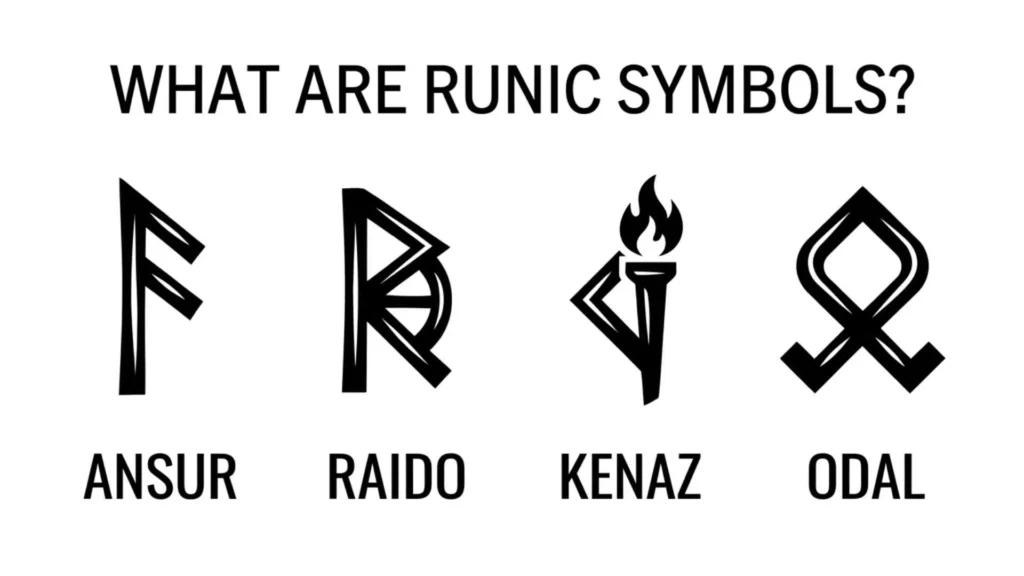
Runic symbols are characters from ancient alphabets used mainly by Germanic and Norse peoples across Northern Europe. The word “rune” comes from an old Germanic term meaning “secret” or “mystery.” Unlike ordinary writing systems, runes were deeply spiritual and symbolic.
The earliest runic alphabet is known as the Elder Futhark. It contained 24 symbols and was used between the 2nd and 8th centuries. Later versions such as the Younger Futhark and Anglo Saxon Futhorc evolved in different regions.
Each rune had multiple layers of meaning:
- A sound for language
- A symbolic message
- A spiritual or magical association
- Emotional and psychological significance
For ancient people, runes were tools for communication and sacred symbols believed to influence reality itself.
Did You Know?
Archaeologists have discovered runic carvings on weapons, jewelry, gravestones, and even everyday household items. This proves that runic symbols were part of both spiritual rituals and daily life.
The Ancient Origins of Runic Symbols
The history of runic symbols begins in Northern Europe around 150 CE. Historians believe the runic alphabet may have been influenced by early Italic alphabets used by Roman cultures. However, the Norse and Germanic tribes transformed these characters into something uniquely spiritual.
Runes became especially important during the Viking Age. Warriors often carved runes onto swords for protection and victory. Families used them in memorial stones to honor loved ones. Spiritual leaders believed runes could communicate with unseen forces.
In Norse mythology, the god Odin discovered the runes through sacrifice. According to legend, he hung from the world tree Yggdrasil for nine nights without food or water. During this painful journey, he gained wisdom and received the sacred runes.
This myth created a strong emotional connection between runes and personal transformation. Across Europe, runes symbolized sacrifice, knowledge, and inner awakening.
Cultural Meaning Across the World
- In Europe, runic symbols represented wisdom, protection, and fate.
- In parts of Asia, symbols with spiritual energy were also used for meditation and balance, similar to sacred mantras.
- African tribal markings often carried protective and ancestral meanings, much like Norse runes.
- In the USA today, runic symbols are commonly linked with individuality, spiritual exploration, and Viking inspired culture.
Despite cultural differences, humans everywhere have used symbols to express identity, protection, and emotional strength.
The Most Powerful Runic Symbols and Their Meanings
Fehu Rune: Symbol of Wealth and Abundance
Fehu represents prosperity, success, and personal growth. In ancient times, wealth was measured through cattle ownership, so this rune became associated with abundance and security.
Psychological meaning:
Fehu often symbolizes confidence and self worth. Many people are emotionally drawn to it during times of career growth or financial change.
Modern uses:
- Success tattoos
- Business logos
- Manifestation practices
Algiz Rune: Symbol of Protection
Algiz is one of the most recognized runic symbols. Its shape resembles a person with raised arms or protective antlers.
Meaning of this symbol:
- Spiritual protection
- Defense against negativity
- Inner safety
- Divine guidance
Many people wear Algiz jewelry because it creates a feeling of emotional security and strength.
Ansuz Rune: Symbol of Wisdom and Communication
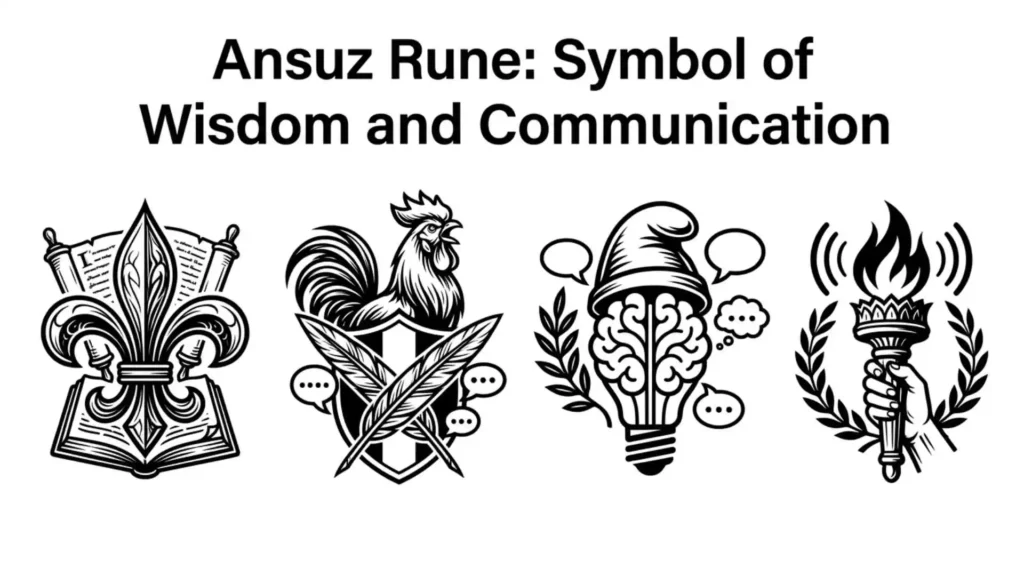
Ansuz is connected with Odin and represents wisdom, inspiration, and truth.
Emotionally, this rune often resonates with people seeking:
- Clarity
- Better communication
- Creative inspiration
- Spiritual insight
Writers, teachers, and artists frequently connect with this rune because it symbolizes the power of words.
Raidho Rune: Symbol of Journey and Life Path
Raidho represents movement, travel, and destiny. Ancient Norse travelers used this symbol for safe journeys.
Psychological interpretation:
This rune often appears during major life transitions such as career changes, healing journeys, or personal growth.
It reminds people that life itself is a sacred journey filled with lessons.
Tiwaz Rune: Symbol of Courage and Justice
Named after the Norse god Tyr, Tiwaz symbolizes bravery, honor, and sacrifice.
This rune emotionally represents:
- Leadership
- Discipline
- Personal integrity
- Fighting for what is right
Many warriors historically used Tiwaz before battle because it was believed to inspire courage.
Why Runic Symbols Feel So Emotionally Powerful
Humans naturally connect with symbols because the brain processes visual imagery emotionally. Runic symbols feel ancient, mysterious, and meaningful, which creates psychological depth.
Unlike ordinary letters, runes carry emotional stories. When someone sees a protection rune, they may feel safer. When they see a success rune, they may feel motivated.
Psychologists often explain symbolic attraction through archetypes. These are universal emotional patterns shared across humanity. Runic symbols tap into deep themes such as:
- Survival
- Strength
- Transformation
- Wisdom
- Protection
- Destiny
This emotional power explains why runes remain popular in modern tattoos, meditation, fashion, and spiritual practices.
Did You Know?
Studies in psychology show that symbols can influence emotions and behavior because humans naturally associate shapes and imagery with meaning. Ancient cultures understood this long before modern science.
Runic Symbols in Viking Culture and Spirituality
For Vikings, runic symbols were never simply decorative. They were sacred tools connected to destiny and divine power.
Runes were used in:
- Protection rituals
- Healing ceremonies
- Navigation
- Memorial stones
- Battle preparation
- Spiritual guidance
Some Norse seers practiced rune casting, a method similar to tarot reading. Stones or wooden pieces marked with runes were thrown and interpreted for insight.
In Viking society, literacy itself carried spiritual importance because writing was considered magical. Carving symbols into wood or stone was believed to activate their energy.
The Connection Between Runes and Nature
Many runic meanings connect directly with natural forces:
- Ice represented challenge and stillness
- Fire represented transformation
- Sun represented hope and success
- Harvest symbols represented growth and reward
This connection to nature made runes emotionally grounding for ancient communities living in harsh environments.
Modern Uses of Runic Symbols
Today, runic symbols appear in many parts of modern culture. People are drawn to them for personal, artistic, and spiritual reasons.
Runic Tattoos
Runic tattoos have become increasingly popular because they combine visual simplicity with deep meaning.
Common tattoo meanings include:
- Protection
- Strength
- Family loyalty
- Personal transformation
- Freedom
- Courage
People often choose runes because they represent personal struggles or emotional victories.
Jewelry and Fashion
Runic necklaces, rings, and bracelets are widely used as symbolic accessories. Many wear them as reminders of resilience and identity.
Fashion designers also use Viking inspired symbols to create bold and meaningful aesthetics.
Meditation and Spiritual Practices
Some people use runes during meditation or journaling. They may select a rune representing guidance for the day or focus on a symbol during reflection.
For example:
- Algiz for protection
- Fehu for abundance
- Ansuz for wisdom
Even for people who are not religious, these symbols can serve as emotional anchors.
Common Misunderstandings About Runic Symbols
Because runic symbols are ancient and mysterious, many misconceptions exist online.
Runes Are Not Automatically Magical
While ancient people believed runes carried spiritual power, modern interpretations vary widely. Some see them as sacred symbols while others appreciate them mainly for historical or artistic reasons.
Not Every Viking Symbol Is Historically Accurate
The internet contains many “Viking symbols” that were actually invented recently. Authentic runic symbols come from historical runic alphabets such as:
- Elder Futhark
- Younger Futhark
- Anglo Saxon Futhorc
Research matters if you want historically accurate symbolism.
Runes Have Different Interpretations
The meaning of symbols changes depending on culture, spiritual belief, and personal perspective. One person may see a rune as spiritual protection while another views it as a reminder of emotional resilience.
Runic Symbols Compared With Other Ancient Symbol Systems
Humans across civilizations created symbolic systems to express spiritual and emotional truths.
Celtic Symbols
Celtic knots represent eternity and interconnectedness. Like runes, they often symbolize spiritual continuity and protection.
Egyptian Hieroglyphs
Ancient Egyptian symbols combined language and sacred meaning. Similar to runes, they were believed to hold divine power.
Chinese Characters
Some Chinese characters carry philosophical and emotional symbolism beyond literal language. This mirrors how runes combine communication with deeper meaning.
African Tribal Symbols
Many African cultural symbols represent ancestry, unity, courage, and wisdom. These emotional themes closely align with Norse symbolism.
Across cultures, symbols become powerful because they help humans understand life, fear, identity, and hope.
How to Choose the Right Runic Symbol for Yourself
Choosing a runic symbol is often deeply personal. Many people select a rune based on emotional connection rather than appearance alone.
Ask yourself:
- What emotional strength do I need?
- What personal journey am I experiencing?
- What value matters most to me right now?
Popular Choices Based on Emotional Meaning
| Rune | Meaning | Emotional Connection |
| Fehu | Wealth and growth | Confidence and success |
| Algiz | Protection | Safety and healing |
| Ansuz | Wisdom | Clarity and creativity |
| Raidho | Journey | Life direction |
| Tiwaz | Courage | Leadership and resilience |
The strongest symbolic connection usually comes from authenticity rather than trends.
The Psychological Attraction Behind Ancient Symbols
Why do modern people still love ancient symbols?
The answer lies in emotional storytelling. Symbols communicate feelings instantly without needing long explanations. A single rune can represent survival, hope, or transformation.
In uncertain times, humans naturally seek symbols that create meaning and emotional grounding. Runic symbols feel timeless because they connect modern people with ancient human experiences.
This is why they continue appearing in:
- Movies
- Video games
- Tattoos
- Jewelry
- Meditation practices
- Books and art
Runes remind people that humans have always searched for courage, identity, and purpose.
FAQs About Runic Symbols
What are runic symbols used for?
Runic symbols were originally used for writing, spiritual rituals, protection, and communication in ancient Germanic and Norse cultures. Today they are also used in tattoos, jewelry, meditation, and symbolic art.
Are runic symbols connected to Vikings?
Yes. Runic symbols became strongly associated with Viking culture during the Viking Age, especially through the Younger Futhark alphabet.
Which runic symbol means protection?
Algiz is commonly known as the rune of protection. It symbolizes safety, defense, and spiritual guidance.
Are runic symbols religious?
Not necessarily. Some people use runes spiritually while others appreciate them historically, artistically, or psychologically.
Can runic symbols bring luck?
Historically, many people believed runes could influence luck and destiny. Modern interpretations vary depending on personal belief.
What is the oldest runic alphabet?
The Elder Futhark is considered the oldest known runic alphabet. It contains 24 symbols and dates back to around the 2nd century.
Why are runic tattoos popular?
Runic tattoos are popular because they combine minimal design with powerful emotional and symbolic meaning such as strength, courage, and transformation.
Conclusion
Runic symbols continue to captivate people because they combine mystery, emotion, history, and personal meaning in a way few symbols can. These ancient signs once guided warriors, protected families, and connected humans with spiritual beliefs that shaped entire civilizations. Today, they still inspire people searching for courage, identity, wisdom, and emotional strength.
Whether you are drawn to runes for their spiritual symbolism, Viking heritage, psychological depth, or artistic beauty, each symbol tells a timeless human story. Their power does not come only from ancient myths but from the emotions they awaken inside us. In a world constantly changing, runic symbols remain enduring reminders of resilience, transformation, and the search for meaning.
Nicholas Allen is a passionate writer and symbolism researcher who explores the hidden meanings behind ancient signs, spiritual icons and cultural symbols from around the world. His work focuses on making complex symbolism easy to understand for modern readers.
He is the author of “Mystic Signs and Their Hidden Meanings”. Through his writing, Nicholas helps readers discover the stories, beliefs and mysteries connected to symbols across history and different cultures.