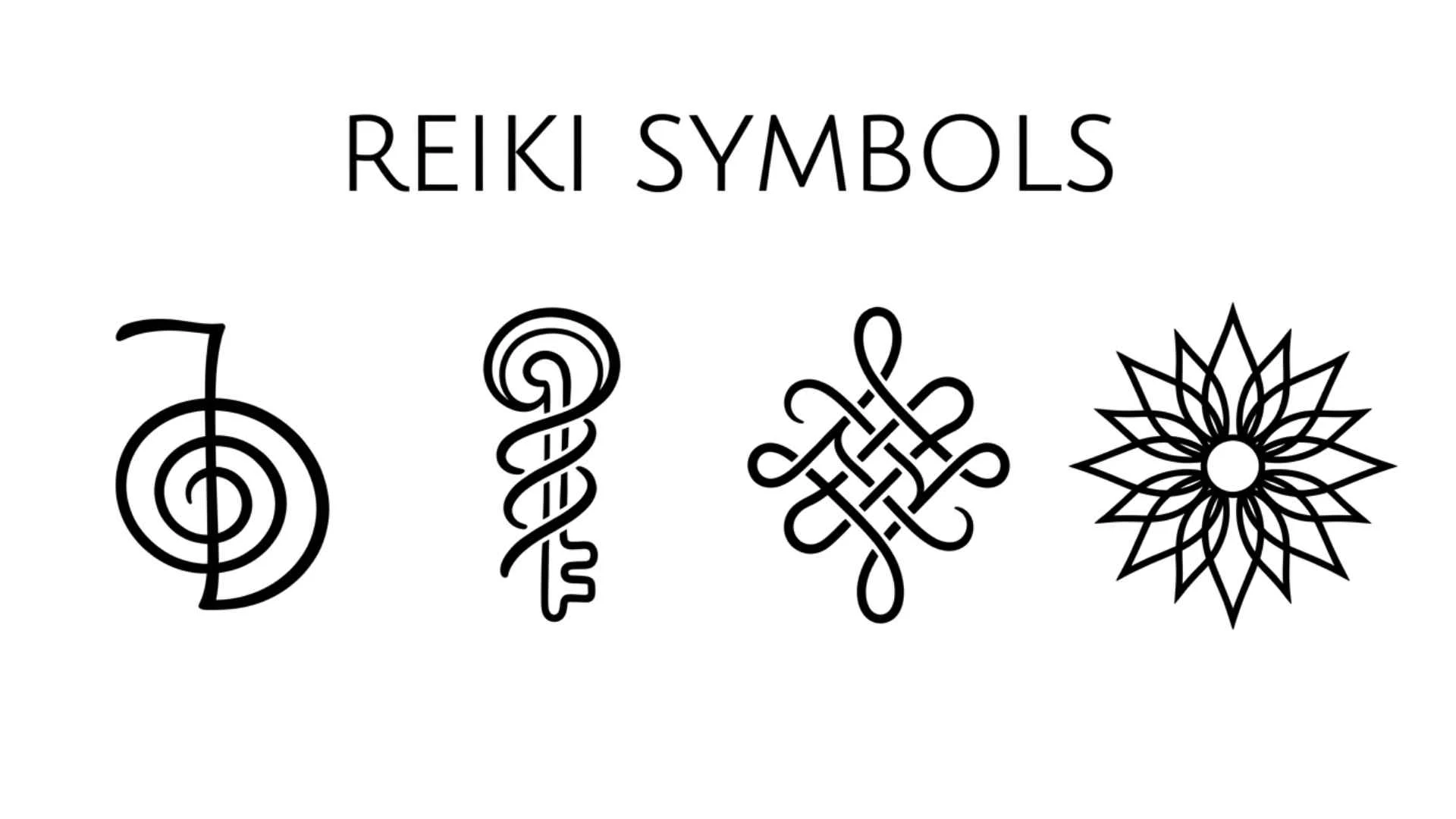
Reiki symbols carry a quiet kind of power that many people feel before they fully understand it. The moment someone sees these sacred shapes, something often shifts emotionally, mentally, or spiritually. Some people describe a feeling of peace. Others feel protected, emotionally lighter, or deeply connected to themselves. Reiki symbols are more than drawings or spiritual designs. They are sacred energy keys used in Reiki healing to guide intention, focus energy, and awaken emotional balance.
For centuries, healers and spiritual practitioners have used Reiki symbols to strengthen healing sessions, clear emotional blockages, and create spiritual harmony. Each symbol has its own vibration, emotional meaning, and energetic purpose. Some are used for protection, some for emotional healing, while others help connect with higher consciousness. Whether you are completely new to Reiki or already exploring spiritual healing, understanding these symbols can open a new door to self awareness and inner peace.
In this guide, you will discover the true meaning of Reiki symbols, their origins, emotional power, cultural significance, and how they are used in modern healing practices around the world.
What Are Reiki Symbols and Why Are They Important?
Reiki symbols are sacred spiritual signs used in the Japanese healing system known as Reiki. These symbols are believed to direct universal life force energy toward a specific purpose such as emotional healing, protection, mental clarity, or spiritual awakening.
In Reiki practice, symbols are not worshipped. Instead, they act like energetic keys that unlock deeper levels of healing energy. Reiki practitioners draw, visualize, or mentally repeat these symbols during healing sessions, meditation, or spiritual practices.
The importance of Reiki symbols comes from intention. In Reiki philosophy, intention shapes energy. Symbols help focus that intention with clarity and purpose.
Many people also connect Reiki symbols with:
- Emotional release
- Stress reduction
- Spiritual growth
- Trauma healing
- Inner peace
- Chakra balancing
- Energy cleansing
Did you know?
Some Reiki masters believe symbols become stronger over time as practitioners build a personal spiritual relationship with them.
The Fascinating History and Origin of Reiki Symbols
The roots of Reiki symbols trace back to Japan in the early 20th century. Reiki itself was developed by Mikao Usui, a spiritual teacher who created a healing practice centered around universal life force energy.
According to Reiki tradition, Usui experienced a spiritual awakening during meditation on Mount Kurama in Japan. After this experience, he developed the Reiki healing system and introduced sacred symbols to help practitioners channel healing energy more effectively.
Originally, Reiki symbols were passed down secretly from teacher to student. They were considered sacred and were often memorized instead of written down. Over time, Reiki spread from Japan to the United States, Europe, and other parts of the world where different cultures interpreted the symbols in unique ways.
Reiki Symbols Across Cultures
In Japan
The symbols are viewed as sacred spiritual tools connected with meditation, discipline, and energetic harmony.
In the United States
Many practitioners focus on emotional healing, self care, and stress relief through Reiki symbols.
In Europe
Reiki symbols are often integrated with holistic wellness practices, mindfulness, and alternative therapies.
In Africa
Some spiritual communities connect Reiki symbols with ancestral healing and energy balance traditions.
In South Asia
People often compare Reiki symbols with chakra healing, sacred geometry, and spiritual awakening practices.
This cultural blending has made Reiki symbols globally respected spiritual icons.
Cho Ku Rei Symbol Meaning, Power, and Emotional Healing
What Is Cho Ku Rei?
Cho Ku Rei is one of the most recognized Reiki symbols. It is commonly called the Power Symbol because it increases or amplifies energy.
This symbol is often used at the beginning of Reiki sessions to activate healing energy and create spiritual protection.
Emotional Meaning of Cho Ku Rei
Emotionally, Cho Ku Rei represents:
- Strength
- Protection
- Stability
- Grounding
- Confidence
People who feel emotionally exhausted or mentally drained often connect deeply with this symbol because it creates a sense of energetic support.
Psychological Representation
Psychologically, Cho Ku Rei symbolizes taking control of scattered emotions. It helps people feel mentally focused and emotionally secure during stressful moments.
Practical Uses
Practitioners use Cho Ku Rei for:
- Cleansing negative energy
- Protecting spaces
- Increasing healing power
- Reducing emotional heaviness
- Supporting physical healing
Many Reiki healers draw this symbol over doors, rooms, crystals, or even food to invite positive energy.
Sei He Ki Symbol Meaning and Emotional Balance
Understanding Sei He Ki
Sei He Ki is often called the Emotional Healing Symbol. It focuses on emotional harmony, mental clarity, and subconscious healing.
This symbol is deeply connected with emotional trauma, stress, anxiety, and hidden emotional wounds.
Emotional and Spiritual Meaning
Sei He Ki represents the connection between mind and heart. It reminds people that emotional healing begins when thoughts and feelings become balanced.
Many people use this symbol during meditation when processing grief, heartbreak, fear, or emotional confusion.
Psychological Meaning
From a psychological perspective, Sei He Ki symbolizes emotional release and inner healing. It encourages the subconscious mind to let go of painful emotional patterns.
How Different Cultures View Emotional Healing Symbols
- In Western cultures, it is linked with emotional wellness and therapy support.
- In Eastern traditions, it reflects spiritual harmony between emotions and consciousness.
- In African healing traditions, emotional balance symbols often connect with ancestral peace and emotional cleansing rituals.
Did you know?
Some Reiki practitioners softly repeat the name Sei He Ki during meditation because they believe the sound vibration itself promotes emotional calmness.
Hon Sha Ze Sho Nen Symbol and Distance Healing
The Mystery Behind This Reiki Symbol
Hon Sha Ze Sho Nen is one of the most spiritually fascinating Reiki symbols. It is known as the Distance Healing Symbol because it allows Reiki energy to be sent across time and space.
Practitioners believe energy is not limited by physical distance. This symbol helps connect healing intention with someone who may be far away emotionally or physically.
Emotional Meaning
This symbol represents:
- Connection
- Compassion
- Spiritual unity
- Timeless healing
- Emotional forgiveness
Many people use this symbol to heal relationships, past trauma, or emotional pain connected with memories.
Psychological Symbolism
Psychologically, Hon Sha Ze Sho Nen reflects the idea that healing can happen beyond immediate physical reality. It encourages emotional closure and deeper self reflection.
Spiritual Importance
In spiritual practices around the world, distance healing concepts also appear in prayer traditions, meditation rituals, and collective healing ceremonies.
This is why many people feel emotionally comforted by the idea that loving intention can reach someone anywhere in the world.
Dai Ko Myo Symbol and Spiritual Enlightenment
The Master Symbol of Reiki
Dai Ko Myo is often called the Master Symbol in Reiki practice. It is associated with enlightenment, spiritual awakening, and soul healing.
This symbol is usually taught at advanced Reiki levels because it represents deep spiritual understanding.
Emotional and Spiritual Meaning
Dai Ko Myo symbolizes:
- Inner wisdom
- Spiritual truth
- Enlightenment
- Soul healing
- Divine connection
People often describe feeling emotionally lighter and spiritually clearer while meditating with this symbol.
Psychological Meaning
Psychologically, Dai Ko Myo represents self awareness and personal transformation. It encourages individuals to heal from within rather than seeking validation externally.
Global Spiritual Comparisons
Across many cultures, symbols of enlightenment appear in spiritual traditions:
- Lotus flowers in Asia symbolize awakening.
- Mandalas in Tibetan traditions represent spiritual wholeness.
- Sacred spirals in African art symbolize life energy and transformation.
- Celtic knots in Europe represent eternal connection and spiritual continuity.
Dai Ko Myo shares similar universal themes of spiritual growth and inner light.
How Reiki Symbols Are Used in Daily Life
Reiki symbols are no longer limited to professional healing sessions. Many people use them in everyday spiritual routines.
Common Daily Uses
Meditation
People visualize Reiki symbols during meditation to create emotional peace and mental clarity.
Energy Protection
Some practitioners draw symbols around their homes or workspaces for energetic protection.
Emotional Healing
Symbols are used during journaling, affirmations, or emotional release practices.
Sleep and Relaxation
Many individuals meditate with Reiki symbols before sleep to calm anxiety and emotional stress.
Spiritual Growth
Some people place Reiki symbols on vision boards, healing altars, or spiritual journals.
Modern Wellness Connection
Today, Reiki symbols are often connected with:
- Mindfulness
- Holistic healing
- Energy therapy
- Self care rituals
- Spiritual wellness
As mental health awareness grows globally, many individuals explore Reiki symbols as supportive tools for emotional well being.
Common Misunderstandings About Reiki Symbols
Despite their popularity, Reiki symbols are often misunderstood.
Myth 1: Reiki Symbols Are Religious
Reiki is spiritual but not tied to one religion. People from many faiths and belief systems practice Reiki.
Myth 2: Symbols Work Like Magic
Reiki symbols are not magical shortcuts. They work through focused intention, meditation, and energetic awareness.
Myth 3: Anyone Can Fully Understand Them Instantly
The meaning of Reiki symbols deepens over time. Many practitioners develop a personal emotional connection with each symbol gradually.
Myth 4: Reiki Symbols Are Dangerous
Authentic Reiki practice focuses on healing, balance, and compassion. Reiki symbols are intended for positive spiritual growth.
Myth 5: Only Reiki Masters Can Benefit
Even beginners who study Reiki symbols respectfully can experience emotional comfort and mindfulness benefits.
The Emotional Psychology Behind Reiki Symbols
One reason Reiki symbols remain powerful across generations is their emotional impact on the human mind.
Symbols influence human psychology deeply. Throughout history, humans have used symbols to express hope, healing, identity, spirituality, and protection.
Why Symbols Affect Human Emotions
The brain naturally connects visual symbols with emotional meaning. Sacred symbols can trigger feelings of calmness, safety, focus, or spiritual connection.
This psychological effect appears in many cultures:
- Crosses in Christianity
- Om symbols in Hinduism
- Yin Yang in Chinese philosophy
- Sacred geometry in ancient traditions
Reiki symbols work similarly by helping individuals emotionally focus healing intentions.
Reiki Symbols and Mindfulness
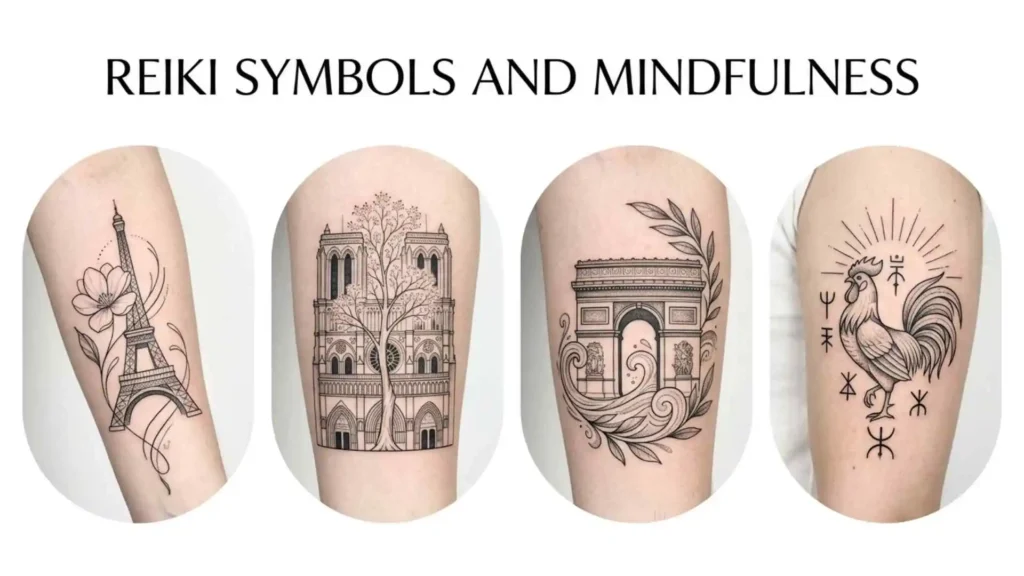
Modern psychology increasingly recognizes mindfulness as a powerful emotional wellness tool. Reiki symbols naturally encourage mindfulness because they invite stillness, awareness, and intentional breathing.
Many people report feeling:
- More emotionally balanced
- Less mentally overwhelmed
- More spiritually connected
- More emotionally resilient
after regularly meditating with Reiki symbols.
FAQs About Reiki Symbols
What are the main Reiki symbols?
The most commonly known Reiki symbols are Cho Ku Rei, Sei He Ki, Hon Sha Ze Sho Nen, and Dai Ko Myo. Each symbol serves a different emotional, spiritual, or healing purpose.
Can Reiki symbols really heal emotional pain?
Many practitioners believe Reiki symbols support emotional healing by promoting relaxation, mindfulness, and energetic balance. However, they are not a replacement for medical or psychological treatment.
Are Reiki symbols safe for beginners?
Yes, Reiki symbols are generally safe when approached respectfully and with positive intention.
Do Reiki symbols belong to a religion?
No, Reiki symbols are part of a spiritual healing practice but are not tied to a single religion.
Why are Reiki symbols considered sacred?
Traditionally, Reiki symbols were passed from teacher to student and treated with deep respect because they represent spiritual healing energy.
Can Reiki symbols be used for protection?
Many practitioners use Reiki symbols for emotional grounding and energetic protection in meditation or healing sessions.
What does Cho Ku Rei symbolize emotionally?
Cho Ku Rei symbolizes emotional strength, grounding, protection, and empowerment.
Conclusion
Reiki symbols continue to inspire people because they speak directly to human emotions, healing, and spiritual connection. These sacred symbols are not simply artistic shapes or mystical signs. They represent intention, awareness, emotional balance, and the timeless human desire for peace and healing. From Cho Ku Rei’s protective energy to Dai Ko Myo’s spiritual wisdom, every Reiki symbol carries a deeper emotional message that resonates differently with each person.
In today’s fast moving world, many people search for ways to reconnect with themselves emotionally and spiritually. Reiki symbols offer a gentle reminder that healing often begins within. Whether used during meditation, emotional reflection, or Reiki practice, these sacred symbols continue to guide individuals toward calmness, clarity, and inner harmony across cultures and generations.
Nicholas Allen is a passionate writer and symbolism researcher who explores the hidden meanings behind ancient signs, spiritual icons and cultural symbols from around the world. His work focuses on making complex symbolism easy to understand for modern readers.
He is the author of “Mystic Signs and Their Hidden Meanings”. Through his writing, Nicholas helps readers discover the stories, beliefs and mysteries connected to symbols across history and different cultures.