Aztec symbols still capture the imagination of people around the world because they speak to something deeply human. The mystery, beauty, and emotional depth behind aztec symbols connect us to ancient wisdom, courage, sacrifice, and spiritual transformation. From powerful sun gods to sacred animal signs, every symbol carried meaning that shaped daily life, religion, warfare, love, and destiny in the Aztec world.
Imagine standing in the middle of the ancient city of Tenochtitlan surrounded by giant temples covered in carved symbols glowing under the sun. Every image tells a story. Every shape represents energy, protection, life, or death. These were not random decorations. They were messages from the universe.
Today, people search for the meaning of Aztec symbols not only for historical knowledge but also for tattoos, spiritual guidance, personal identity, and emotional connection. Many symbols still inspire strength, rebirth, wisdom, and protection in modern culture.
In this detailed guide, you will discover the hidden meanings behind the most important Aztec symbols, their emotional and psychological significance, and how their meanings compare with symbols from cultures across the world.
The Deep Spiritual World Behind Aztec Symbols
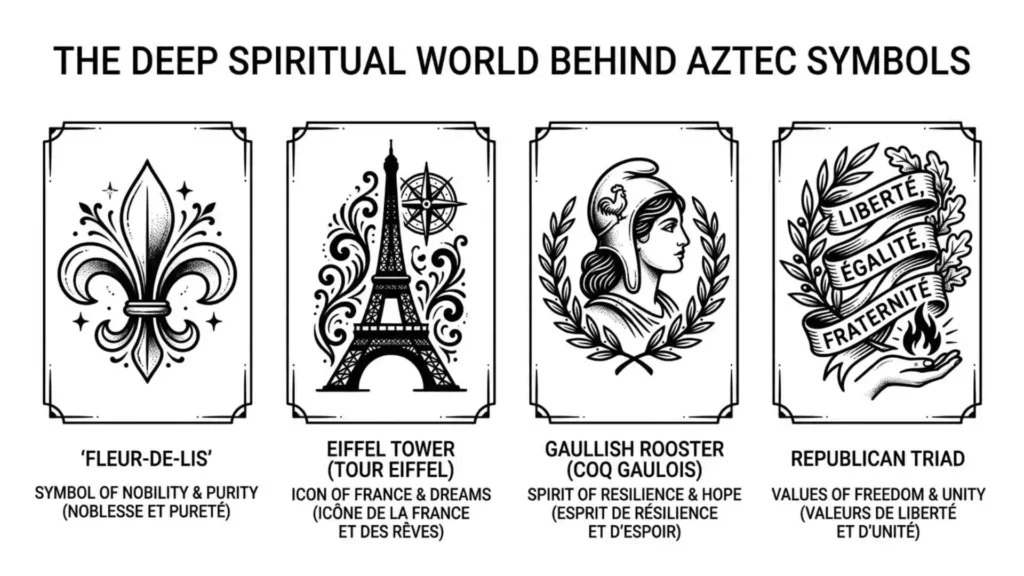
The Aztec civilization believed the universe was alive with energy. Symbols acted as bridges between humans and gods. Every temple, weapon, piece of clothing, and artwork carried symbolic meaning.
Unlike modern logos or decorative art, Aztec symbols represented life forces. They connected people to nature, destiny, and divine power. The Aztecs believed symbols could influence emotions, bring protection, and even guide the soul after death.
The emotional power of these symbols is one reason they remain popular today. Many people feel drawn to them because they represent courage, survival, transformation, and spiritual awakening.
Psychologically, symbols help humans understand emotions that words cannot fully explain. Aztec imagery often reflected fears, hopes, strength, sacrifice, and renewal. This makes them emotionally timeless.
Did you know?
Many modern tattoo designs inspired by Aztec symbols are actually connected to ancient spiritual rituals and warrior traditions.
The Sun Symbol: The Heart of Aztec Life
Among all symbols of the Aztec culture, the sun symbol was the most sacred. The Aztecs believed the sun god gave life to the world and required human energy to continue moving across the sky.
Meaning of the Aztec Sun Symbol
The sun symbol represented:
- Life and energy
- Strength and leadership
- Sacrifice and rebirth
- Cosmic balance
- Divine protection
The famous Aztec Sun Stone often called the Aztec Calendar Stone contains layers of symbolic meanings connected to time, destiny, and the universe.
Emotionally, the sun symbol represents resilience. Just as the sun rises every day after darkness, this symbol reminds people to overcome hardship and begin again.
Comparison Across Cultures
- In Native American traditions, the sun symbolizes life and spiritual awakening.
- In Japan, the rising sun represents national identity and hope.
- In African cultures, sun imagery often symbolizes fertility and growth.
- In Europe, the sun is linked with kingship, power, and divine authority.
This shared global meaning shows how deeply humans connect sunlight with emotional survival and spiritual energy.
The Eagle Symbol: Courage, Vision, and Warrior Spirit
The eagle was one of the most respected Aztec symbols because it represented warriors, freedom, and divine power. According to Aztec legend, the gods instructed the Aztecs to build their city where they found an eagle standing on a cactus holding a serpent.
That image later became part of the Mexican national flag.
Emotional Meaning of the Eagle Symbol
The eagle symbol represents:
- Courage
- Vision
- Spiritual awareness
- Leadership
- Victory in battle
Aztec warriors known as Eagle Warriors wore eagle costumes during ceremonies and warfare. They believed the eagle connected them to heavenly power.
Psychologically, the eagle represents confidence and the ability to rise above fear. Many people today choose eagle tattoos because they symbolize personal freedom and emotional strength.
Global Symbolic Meaning
- In the United States, the eagle represents liberty and independence.
- In Roman culture, eagles symbolized military power.
- In Asian traditions, the eagle often represents focus and spiritual vision.
- In African symbolism, birds of prey symbolize wisdom and leadership.
Across cultures, the eagle consistently reflects power and elevated thinking.
The Serpent Symbol: Transformation and Hidden Wisdom
The serpent was both feared and respected in Aztec mythology. One of the most famous gods, Quetzalcoatl, was known as the Feathered Serpent.
What the Serpent Represents
The serpent symbol represented:
- Transformation
- Rebirth
- Knowledge
- Spiritual awakening
- Life cycles
Because snakes shed their skin, the Aztecs saw them as symbols of renewal and personal change.
Emotionally, this symbol connects to healing from pain and becoming a stronger version of oneself. Many people drawn to serpent symbols are going through life transitions or emotional growth.
Quetzalcoatl and the Feathered Serpent
Quetzalcoatl combined earth and sky. The serpent represented earthly wisdom while feathers symbolized divine elevation.
This balance between human struggle and spiritual growth still resonates deeply with modern audiences.
Similar Symbolism Worldwide
- In Hindu culture, serpents represent spiritual energy and protection.
- In Greek mythology, snakes symbolized healing and medicine.
- In African traditions, serpents often connect to ancestral wisdom.
- In Christianity, serpents can symbolize temptation but also transformation.
The dual nature of serpent symbolism makes it emotionally powerful across civilizations.
Jaguar Symbolism: Fearlessness and Inner Power
The jaguar was one of the strongest symbols in Aztec culture. Jaguars were associated with nighttime, mystery, warfare, and supernatural power.
Meaning of the Jaguar Symbol
The jaguar represented:
- Fearlessness
- Physical strength
- Protection
- Shadow power
- Spiritual dominance
Jaguar Warriors were elite fighters known for bravery and discipline.
Psychologically, the jaguar symbolizes mastery over fear. It reflects the hidden strength people carry during difficult emotional battles.
The Emotional Side of the Jaguar
Unlike the eagle which symbolizes visible power, the jaguar represents quiet inner strength. It teaches patience, control, and confidence in darkness.
People often connect with jaguar imagery when facing emotional trauma or personal transformation.
Cultural Comparisons
- In South American cultures, jaguars symbolize spiritual guardianship.
- In African symbolism, big cats represent royal authority.
- In Asian traditions, tiger symbolism shares similarities with jaguar energy such as courage and dominance.
- In European myths, wild cats often symbolize independence and mystery.
The Aztec Calendar Symbols and the Meaning of Time
The Aztecs had a highly advanced understanding of time. Their calendar symbols represented cosmic cycles, human destiny, and sacred rhythms.
The Aztec calendar was not simply about days and months. It was deeply spiritual.
Key Meanings Behind Calendar Symbols
Calendar symbols represented:
- Fate
- Cosmic order
- Human personality
- Universal balance
- Spiritual timing
Each day had a symbolic meaning connected to personality traits and life energy.
Psychological Meaning of Time Symbols
Modern psychology shows that humans seek patterns to create emotional stability. The Aztecs used symbolic calendars to understand identity, purpose, and destiny.
This emotional need still exists today. Many people explore ancient symbols to better understand themselves.
Did You Know?
Some historians believe Aztec calendar symbols influenced modern interest in astrology and spiritual personality systems.
Death Symbols in Aztec Culture: Not Fear but Transformation
The Aztecs did not see death as an ending. Instead, they viewed it as a transition into another form of existence.
This makes Aztec death symbols emotionally different from many modern ideas about mortality.
Common Aztec Death Symbols
Important symbols included:
- Skulls
- Bones
- Mictlantecuhtli the god of death
- Obsidian knives
- Underworld imagery
Emotional Meaning of Death Symbols
These symbols represented:
- Transformation
- Acceptance
- Spiritual continuation
- Sacrifice
- Renewal after endings
Psychologically, death symbols help humans process fear and uncertainty. The Aztecs believed accepting death created a more meaningful life.
Comparison With Other Cultures
- In Mexico today, Day of the Dead traditions celebrate remembrance and spiritual connection.
- In Buddhism, death symbolizes rebirth and impermanence.
- In ancient Egypt, death represented passage into eternal life.
- In European medieval culture, skulls reminded people of mortality and humility.
The Aztec approach to death often feels surprisingly modern because it emphasizes emotional acceptance rather than fear.
Animal Symbols in Aztec Mythology and Their Hidden Messages
Animals played a major role in Aztec symbolism because the Aztecs believed animals carried spiritual energy and personality traits.
The Hummingbird Symbol
The hummingbird symbolized:
- Energy
- Survival
- Joy
- Warrior spirit
The god Huitzilopochtli was associated with hummingbirds and warfare.
The Rabbit Symbol
Rabbits represented:
- Fertility
- Celebration
- Abundance
- Pleasure
The Monkey Symbol
Monkeys symbolized:
- Creativity
- Music
- Playfulness
- Artistic talent
Emotional Connection to Animal Symbols
Humans naturally project emotions onto animals. Aztec culture transformed these emotional observations into spiritual teachings.
This is similar to spirit animal beliefs found in many cultures around the world.
Cross Cultural Similarities
- Native American traditions use animals as spiritual guides.
- Chinese zodiac animals symbolize personality traits.
- African folklore uses animals to teach wisdom and morality.
- European mythology often links animals with human virtues and flaws.
Why Aztec Symbols Remain Popular Today
Aztec symbols have survived centuries because they speak to universal human emotions.
People today use these symbols in:
- Tattoos
- Jewelry
- Spiritual practices
- Art and fashion
- Personal identity
- Motivation and healing
The Psychological Attraction of Ancient Symbols
Modern life often feels disconnected and fast paced. Ancient symbols provide emotional grounding and meaning.
Aztec symbols especially attract people who seek:
- Inner strength
- Cultural identity
- Spiritual growth
- Personal transformation
- Connection to history
Aztec Symbols in Modern Tattoos
Tattoo lovers often choose Aztec designs because they combine beauty with deep meaning.
Popular tattoo symbols include:
- Sun Stone
- Eagle Warrior
- Feathered Serpent
- Jaguar
- Skull imagery
Each tattoo often reflects a personal emotional story such as survival, courage, or rebirth.
Did You Know?
Many modern fitness brands, gaming art styles, and fashion designs secretly use visual inspiration from Aztec geometric symbolism.
The Hidden Emotional Power of Sacred Geometry in Aztec Art
One fascinating aspect of Aztec symbols is their use of sacred geometry. Repeating patterns, circles, triangles, and symmetrical carvings created emotional impact.
Why Geometry Matters Emotionally
Humans naturally respond to patterns because the brain seeks order and meaning.
Aztec geometric symbols represented:
- Universal harmony
- Cosmic cycles
- Protection
- Spiritual connection
This explains why many people feel emotionally drawn to Aztec art even without understanding the history behind it.
Sacred Geometry Across Cultures
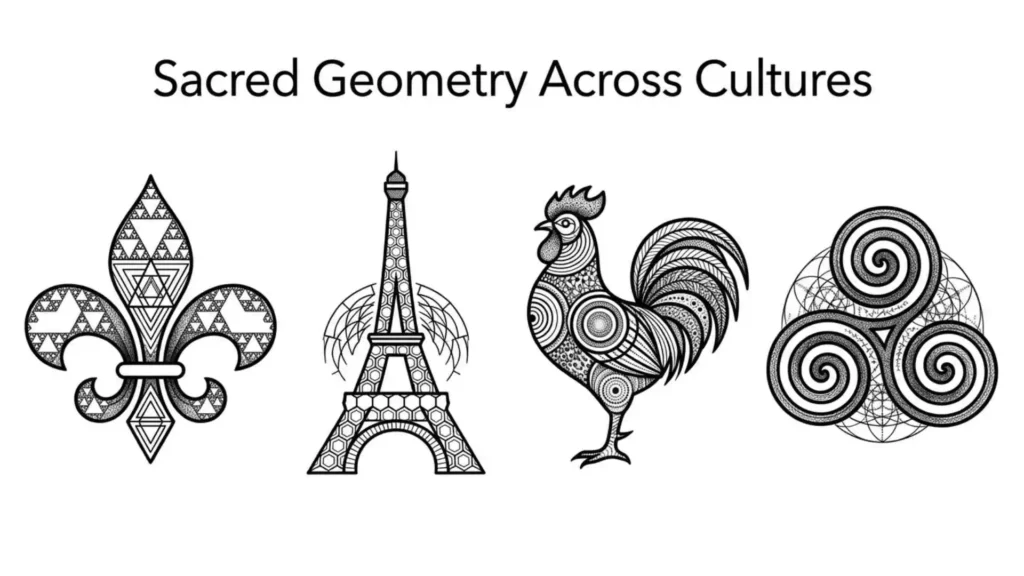
- Islamic art uses geometry to represent divine perfection.
- Hindu mandalas symbolize spiritual balance.
- Celtic knots represent eternity and interconnectedness.
- African tribal patterns often communicate identity and ancestry.
The global presence of sacred geometry reveals a universal human desire to understand life through symbolic design.
FAQs About Aztec Symbols
What are the most famous Aztec symbols?
The most famous Aztec symbols include the Sun Stone, eagle, serpent, jaguar, skull symbols, and Feathered Serpent associated with Quetzalcoatl.
What do Aztec symbols represent?
Aztec symbols represent spiritual energy, power, transformation, courage, sacrifice, destiny, and the connection between humans and gods.
Why are Aztec symbols popular in tattoos?
People choose Aztec symbol tattoos because they carry deep meanings related to strength, protection, rebirth, warrior spirit, and personal transformation.
What does the Aztec eagle symbol mean?
The eagle symbolizes courage, leadership, spiritual vision, and victory. It was connected with elite warriors and divine strength.
What is the meaning of the Aztec serpent symbol?
The serpent represents wisdom, transformation, renewal, and spiritual awakening. The Feathered Serpent also symbolizes balance between earth and sky.
Did Aztec symbols influence modern culture?
Yes. Aztec symbols influence modern tattoos, fashion, movies, art, spiritual practices, and graphic design around the world.
Are Aztec symbols religious?
Many Aztec symbols had religious and spiritual importance because the Aztecs believed symbols connected humans with divine forces and cosmic energy.
Conclusion
Aztec symbols are far more than ancient carvings or decorative designs. They are emotional maps of human experience filled with courage, sacrifice, wisdom, transformation, and spiritual meaning. Every eagle, serpent, jaguar, and sun image carried powerful lessons about life and destiny. These symbols continue to inspire modern people because they reflect universal emotions that still exist today.
From warrior strength to personal rebirth, the meaning of Aztec symbols remains deeply relevant in modern life. Their beauty lies not only in their visual power but also in the emotional truths they reveal about fear, hope, survival, and inner transformation.
Whether you are exploring Aztec culture, searching for tattoo inspiration, or seeking spiritual meaning, these sacred symbols offer timeless wisdom that connects the ancient world to the modern human soul.

Nicholas Allen is a passionate writer and symbolism researcher who explores the hidden meanings behind ancient signs, spiritual icons and cultural symbols from around the world. His work focuses on making complex symbolism easy to understand for modern readers.
He is the author of “Mystic Signs and Their Hidden Meanings”. Through his writing, Nicholas helps readers discover the stories, beliefs and mysteries connected to symbols across history and different cultures.