Gender symbols are more than tiny marks on a screen or bathroom door. They carry stories about identity, culture, psychology, love, power, and human connection. From the ancient symbols of Mars and Venus to modern identity signs used by LGBTQ+ communities, these symbols shape how people express themselves and understand others.
Think about how often you see them. On social media profiles, medical forms, jewelry, fashion, and even emojis. Yet many people do not fully know the meaning of gender symbols or where they came from. Some represent masculinity and femininity, while others reflect freedom, balance, fluidity, and self discovery.
In today’s world, gender symbols have become deeply emotional and personal. They are not just visual icons. They are symbols of identity, belonging, confidence, and acceptance. Understanding them can help people communicate with empathy and respect across cultures and generations.
This guide explores the history, emotional meaning, cultural importance, and modern use of gender symbols in a simple and human friendly way. Whether you are curious about identity symbols, researching symbolism, or simply trying to understand modern culture better, this article will give you a deeper and clearer perspective.
The Origin of Gender Symbols and Their Ancient History
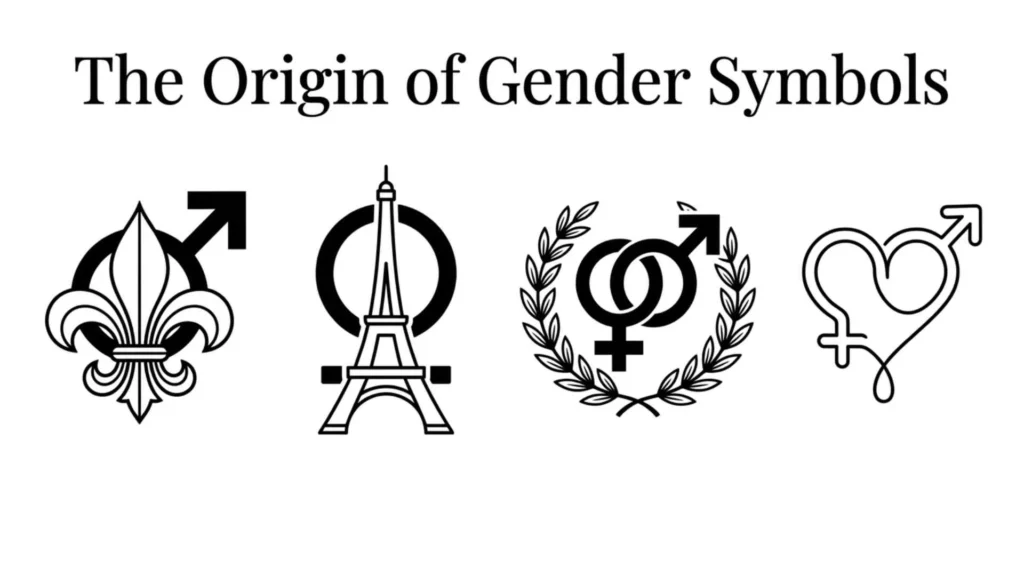
The most recognized gender symbols come from ancient astronomy and mythology. The female symbol ♀ and male symbol ♂ were originally connected to planets and Roman gods.
The female symbol represents Venus, the Roman goddess of beauty and love. The circle with a small cross beneath it is believed to symbolize a hand mirror. Over time, it became associated with femininity, fertility, compassion, and emotional energy.
The male symbol represents Mars, the Roman god of war. The circle with an arrow pointing outward symbolizes a shield and spear. It later became connected with masculinity, strength, ambition, and action.
These symbols were first used in science and alchemy before becoming universal representations of gender. In biology, they still identify male and female organisms. In modern culture, they are used in fashion, social media, activism, and identity discussions.
Did you know? Ancient alchemists also linked these symbols to metals. Venus represented copper, while Mars represented iron.
What the Female Symbol Really Means Emotionally and Spiritually
The female gender symbol is often associated with nurturing energy, emotional intelligence, intuition, and creativity. But its meaning goes much deeper than simply representing women.
Across many cultures, the feminine symbol reflects life itself. It represents birth, renewal, protection, and inner wisdom. In spiritual traditions, circular shapes often symbolize wholeness and connection. The downward cross suggests grounding and emotional depth.
Psychological Meaning of the Female Symbol
Psychologically, the female symbol is connected with:
- Compassion
- Empathy
- Patience
- Healing energy
- Emotional awareness
- Connection and care
In modern society, many women see the symbol as a sign of empowerment rather than limitation. Feminist movements have transformed it into a symbol of equality, strength, and freedom.
Cultural Meaning Around the World
In the USA and Europe, the female symbol often represents women’s rights and gender equality.
In Asian cultures, feminine symbolism is sometimes linked with harmony, softness, and balance, especially through concepts like Yin energy in Chinese philosophy.
In African traditions, feminine symbols are often connected to motherhood, ancestors, fertility, and community wisdom.
These interpretations may differ, but one idea remains common. The feminine symbol represents life giving and emotional power.
The Meaning Behind the Male Gender Symbol
The male gender symbol is commonly linked with strength, leadership, courage, and protection. Historically, it reflected physical power and warrior energy because of its connection to Mars.
However, modern interpretations are evolving. Today, masculinity is increasingly viewed as emotional resilience, responsibility, integrity, and balance rather than dominance alone.
Emotional Meaning of the Male Symbol
The upward arrow in the symbol suggests movement, ambition, direction, and action. Psychologically, it often represents:
- Confidence
- Independence
- Logic
- Protection
- Determination
- Adventure
For many people, the symbol also represents personal growth and purpose.
How Different Cultures View Masculinity
In Western cultures, the male symbol traditionally represented authority and strength. However, modern perspectives encourage emotional openness and healthy masculinity.
In Asian traditions, masculine energy is often linked with Yang, representing action, brightness, and outward movement.
In some African cultures, masculinity is connected to responsibility, leadership, and protecting the family or tribe.
The meaning of the male symbol continues to change with society, showing that gender identity is influenced by both culture and personal experience.
Modern Gender Symbols and LGBTQ+ Identity
As society became more open to diverse identities, new gender symbols emerged to represent people beyond the traditional male and female categories.
These symbols help individuals express who they truly are. For many, they are symbols of acceptance, visibility, and pride.
Popular Modern Gender Symbols
Transgender Symbol ⚧
This symbol combines male, female, and neutral signs together. It represents transition, transformation, and identity freedom.
Emotionally, it symbolizes courage and authenticity. Many transgender people view it as a sign of self acceptance and resilience.
Non Binary Symbol
Non binary symbols vary, but many include geometric shapes or combined elements that avoid traditional gender categories. These symbols reflect flexibility, openness, and individuality.
Genderfluid Symbol
The genderfluid symbol represents changing gender identity. It reflects emotional freedom and the idea that identity can evolve over time.
Agender Symbol
Agender symbols represent people who do not identify with any gender. They often use minimal or neutral imagery to symbolize independence from gender labels.
Did you know? Many modern gender symbols were created online by communities seeking better representation and visibility.
Why Gender Symbols Matter in Modern Society
Some people think gender symbols are just decorative signs. In reality, they play an important role in communication and emotional identity.
Symbols simplify complex ideas instantly. A single image can express belonging, personality, identity, and emotion without words.
Emotional Impact of Representation
When people see symbols that represent them accurately, they often feel:
- Seen
- Accepted
- Valued
- Included
- Respected
For marginalized communities, representation through symbols can improve confidence and emotional wellbeing.
Gender Symbols in Daily Life
Today, gender symbols appear in:
- Social media bios
- Public signs
- Fashion and jewelry
- Healthcare systems
- Pride events
- Educational resources
- Digital communication
Their visibility reflects changing attitudes toward identity and inclusion.
Hidden Symbolism and Psychological Power of Gender Icons
Humans naturally connect with symbols because the brain processes images faster than text. Gender symbols influence emotions subconsciously.
For example, circles are psychologically associated with unity, safety, and connection. Arrows suggest movement, purpose, and energy. Combining these shapes creates powerful emotional meanings.
Why People Feel Attached to Symbols
Symbols help people:
- Express identity visually
- Build community connection
- Feel emotionally understood
- Communicate values quickly
- Strengthen self confidence
This is why tattoos, necklaces, flags, and profile icons often include gender symbols.
Symbolism in Fashion and Art
Artists and designers frequently use gender symbols to challenge stereotypes or celebrate identity diversity. In fashion, these symbols may appear on rings, shirts, accessories, and tattoos to communicate individuality.
In modern art, mixed or merged symbols often represent equality, transformation, or breaking traditional boundaries.
Gender Symbols Across Religion and Spiritual Traditions
Many spiritual systems include masculine and feminine energies, even if they use different symbols.
Yin and Yang in Chinese Philosophy
The Yin Yang symbol represents balance between opposite energies. Yin reflects feminine qualities such as calmness and intuition, while Yang represents masculine energy like action and strength.
The key lesson is balance. Neither side is complete without the other.
Hindu Symbolism
In Hindu philosophy, divine masculine and feminine energies exist together. Shiva and Shakti represent creation and transformation through balance.
Native and Indigenous Perspectives
Some Indigenous cultures recognize more than two genders and have long respected diverse identity roles within society.
These traditions remind us that gender diversity is not new. Many ancient cultures already understood identity as fluid and complex.
The Difference Between Sex Symbols and Gender Symbols
People often confuse biological sex symbols with gender identity symbols. While related, they are not always the same.
Biological Sex Symbols
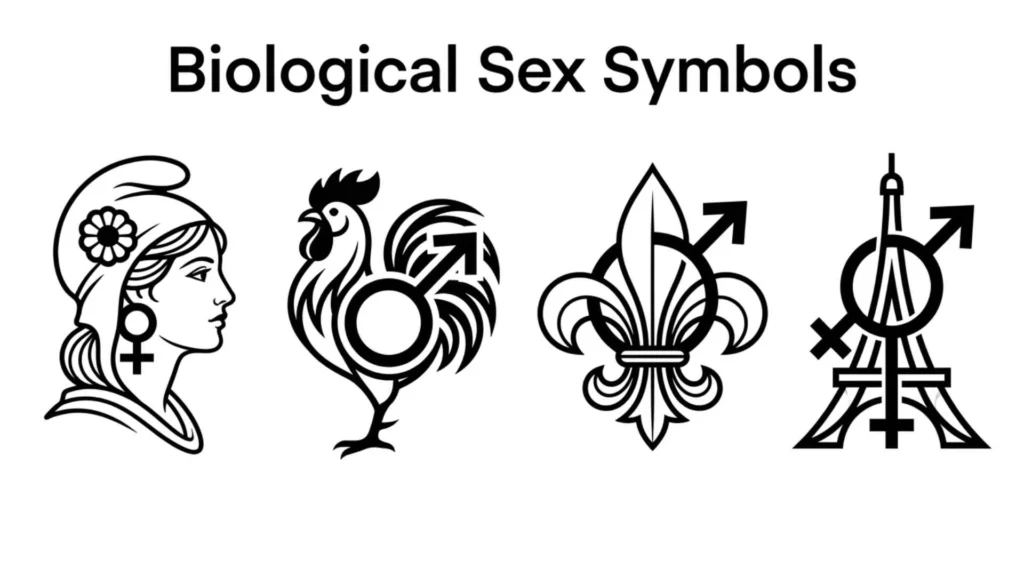
These symbols refer to physical and biological characteristics such as male or female anatomy.
Gender Identity Symbols
These symbols reflect how a person emotionally and socially identifies. Gender identity may align with biological sex, or it may differ.
Understanding this distinction helps create more respectful communication and awareness.
Why This Difference Matters
Modern psychology and sociology recognize that identity is deeply personal. Using accurate symbols and language can help reduce misunderstanding and create a more inclusive environment.
How Gender Symbols Influence Culture, Media, and Technology
Gender symbols have become powerful tools in branding, entertainment, and digital culture.
Social Media and Online Identity
Many people include gender symbols in usernames or profiles to express identity instantly. Emojis and icons have expanded how people communicate gender online.
Marketing and Advertising
Brands increasingly use inclusive symbols to connect with wider audiences. This reflects growing awareness of diversity and representation.
Gaming and Virtual Worlds
Video games and digital avatars now include more gender identity options than ever before. Symbols help users personalize their experiences and feel represented.
Did you know? Unicode updates continue adding new symbols and emojis related to identity and inclusion.
Common Misunderstandings About Gender Symbols
As discussions about identity grow, misunderstandings also increase. Some people fear that modern gender symbols erase traditional identity. In reality, they simply create space for more people to feel represented.
Myth: Gender Symbols Are Just Trends
Gender diversity has existed throughout history. Modern symbols simply make these identities more visible.
Myth: Symbols Divide People
In many cases, symbols actually improve communication and understanding by helping people express themselves clearly.
Myth: Only Young People Use Modern Gender Symbols
People of all ages use identity symbols to express personality, comfort, and belonging.
Understanding symbols with empathy creates healthier conversations and stronger human connections.
FAQs About Gender Symbols
What do gender symbols mean?
Gender symbols represent identity, masculinity, femininity, or other gender expressions. They communicate personal identity visually and emotionally.
What is the difference between male and female symbols?
The male symbol ♂ comes from Mars and represents strength and action. The female symbol ♀ comes from Venus and represents beauty, nurturing, and emotional connection.
What does the transgender symbol represent?
The transgender symbol ⚧ combines male, female, and neutral elements to represent transition, diversity, and identity freedom.
Are gender symbols universal?
Some symbols are globally recognized, but cultural interpretations can differ across countries and traditions.
Why are gender symbols important?
They help people express identity, improve representation, and create understanding in society.
What does non binary mean?
Non binary refers to people whose gender identity does not fit strictly into male or female categories.
Can gender symbols change over time?
Yes. Symbols evolve as culture, language, and understanding of identity continue to grow.
Conclusion
Gender symbols are much more than simple icons. They hold emotional meaning, cultural history, psychological depth, and personal identity. From the ancient symbols of Venus and Mars to modern LGBTQ+ identity signs, these visual marks tell stories about humanity itself.
As society becomes more open and connected, understanding the meaning of gender symbols helps build empathy and respect. They remind us that identity is deeply personal and beautifully diverse.
Whether used in art, fashion, spirituality, science, or daily communication, gender symbols continue to shape how people see themselves and each other. Learning their meanings is not just about symbols. It is about understanding human experience on a deeper level.
In the end, every symbol carries a message. Sometimes, that message is simply the desire to be seen, accepted, and understood.

Joseph Walker is a passionate writer and researcher focused on symbols, hidden meanings, ancient signs, and cultural symbolism from around the world. He enjoys exploring the stories and mysteries behind spiritual icons, mythological signs and historical emblems.
He is the author of “The Power Behind Timeless Symbols”. His work helps readers understand the deeper meanings of symbols in a simple and engaging way.
Through his articles, Joseph aims to make symbolism easier to explore for curious minds and modern readers.