
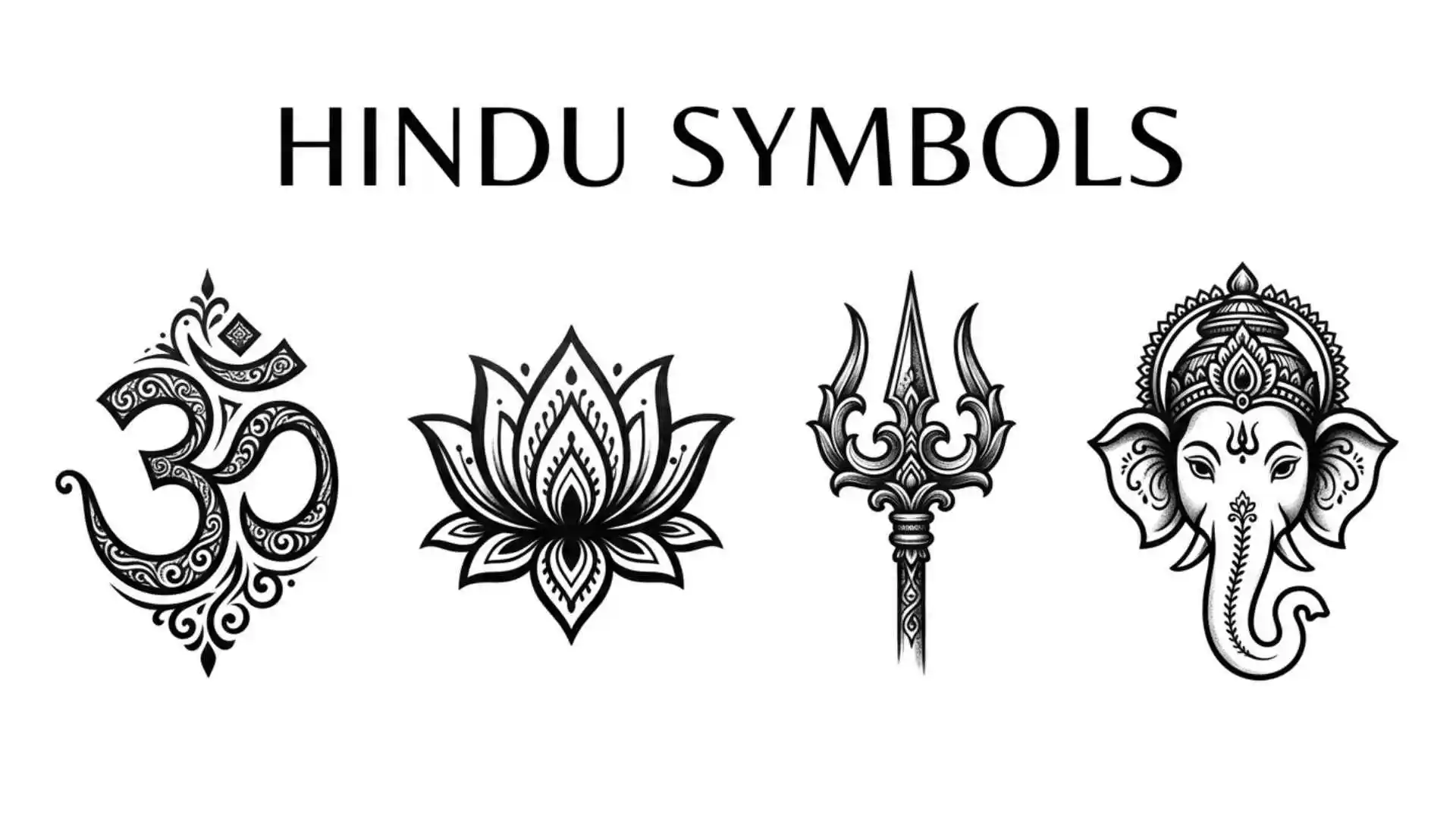
Hindu symbols are far more than artistic designs carved on temples or printed in sacred books. They carry centuries of wisdom, emotion, spirituality, and psychological meaning that continue to influence millions of people across the world. From the powerful Om symbol to the sacred lotus flower, every sign in Hinduism tells a story about life, energy, protection, balance, and inner peace.
Many people first notice these symbols through yoga studios, meditation spaces, jewelry, tattoos, or Indian festivals. But behind every image lies a deeper message that touches the human mind and heart. These ancient signs are not only religious icons, they are emotional maps that help people connect with courage, faith, healing, and spiritual awakening.
In modern life, where stress and confusion often dominate daily routines, Hindu symbols remind people to slow down, reflect, and reconnect with themselves. Their meanings stretch beyond India and resonate with cultures in the USA, Europe, Africa, and Asia because they speak to universal human emotions. Understanding these sacred signs can transform the way people see spirituality, personal growth, and the hidden meanings behind ancient traditions.
Why Hindu Symbols Hold Deep Spiritual Power
Symbols have always shaped human civilization. Before written language became common, people communicated ideas and emotions through signs and sacred markings. In Hinduism, symbols became tools for understanding the universe and the human soul.
Unlike ordinary images, Hindu symbols are believed to carry spiritual vibrations. Many followers use them during meditation, prayer, festivals, and healing practices. These symbols represent concepts like eternity, wisdom, divine energy, purity, karma, and enlightenment.
Psychologically, symbols help the brain connect abstract emotions with visual meaning. For example, a person looking at the lotus symbol may immediately feel peace, hope, or emotional rebirth. This emotional connection explains why Hindu signs remain meaningful even outside religious settings.
In Western countries, many people use Hindu symbols in mindfulness practices, yoga spaces, and spiritual art. In African and Asian cultures, symbols with similar meanings often represent fertility, protection, or harmony. This shared human connection makes Hindu symbols universally powerful.
Om Symbol, The Sound of the Universe
Meaning of Om in Hinduism
The Om symbol is one of the most recognized Hindu symbols in the world. It represents the original sound of creation and the essence of the universe. In Hindu belief, everything begins with vibration, and Om is considered the first cosmic vibration.
OMOMOM
People chant Om during meditation because it calms the nervous system and improves mental focus. The sound is believed to align the body, mind, and spirit.
Emotionally, Om represents inner peace and spiritual awakening. It reminds people that life is connected through a larger universal energy.
Did You Know?
Scientists studying sound therapy have found that chanting sacred sounds like Om may reduce stress levels and improve breathing patterns. This is one reason yoga communities across the USA and Europe frequently begin sessions with Om chanting.
Om Across Cultures
In Hinduism, Om symbolizes divine consciousness. In Buddhism, similar sacred sounds are used in meditation practices. African tribal traditions also use rhythmic vocal sounds for spiritual connection and healing ceremonies.
The Lotus Flower Symbol, Rising Above Darkness
The lotus flower is among the most beautiful and meaningful symbols in Hindu culture. Unlike ordinary flowers, the lotus grows in muddy water yet blooms with stunning purity. This makes it a powerful representation of spiritual growth and emotional strength.
Lotus Flower
Emotional Meaning of the Lotus
The lotus teaches an important life lesson. Even when life becomes difficult or painful, people can still rise with beauty, wisdom, and strength.
This symbol is deeply connected with gods and goddesses like Lakshmi and Saraswati, who are often shown sitting on lotus flowers. The flower represents purity, enlightenment, abundance, and divine grace.
Psychological Symbolism
Modern psychologists often connect the lotus symbol with emotional healing and personal transformation. It visually represents overcoming trauma, stress, and negativity.
Lotus Meaning Around the World
In Asia, the lotus symbolizes enlightenment and spiritual rebirth. In ancient Egyptian culture, it represented creation and the sun. In Europe and North America, it is commonly associated with mindfulness and self growth.
Swastika Symbol, The Ancient Sign of Good Fortune
One of the most misunderstood Hindu symbols is the swastika. In Hinduism, this sacred sign existed thousands of years before its misuse during World War II.
Swastika\text{Swastika}Swastika
Original Meaning in Hinduism
The word swastika comes from Sanskrit and means well being or good fortune. Hindu families place this symbol at entrances, temples, and ceremonies to invite prosperity, harmony, and positive energy.
The four arms of the symbol represent multiple spiritual ideas including:
- The four directions
- The four Vedas
- The cycle of life
- Balance between spiritual and physical existence
Emotional and Spiritual Connection
In Hindu homes, the swastika is connected with blessings, peace, and divine protection. It is especially used during weddings and festivals like Diwali.
Cultural Comparison
In Native American traditions, similar rotating symbols represented the sun and movement of life. Ancient African and Asian civilizations also used spiral and cross shaped symbols for spiritual protection.
Important Historical Context
It is important to understand that the Hindu swastika has a completely different origin and meaning from the Nazi symbol used in Europe during the twentieth century.
Trishul Symbol, The Power of Divine Protection
The Trishul, also known as the trident of Lord Shiva, is one of the strongest symbols of protection in Hindu mythology.
Shiva
What Does the Trishul Represent?
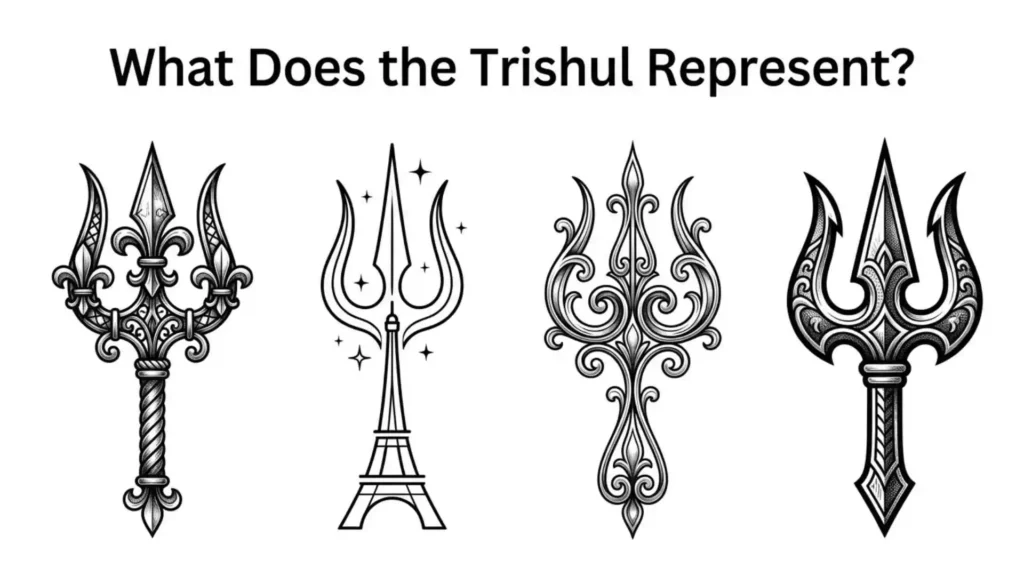
The three points of the Trishul symbolize several spiritual concepts:
- Creation, preservation, and destruction
- Past, present, and future
- Mind, body, and spirit
This symbol teaches balance and reminds people that life constantly changes.
Emotional Meaning
For many believers, the Trishul represents courage during difficult times. It symbolizes the strength needed to remove fear, negativity, and emotional suffering.
Trident Symbols in Other Cultures
In Greek mythology, Poseidon carried a trident connected with the sea and power. In African tribal cultures, three pointed weapons sometimes symbolized authority and spiritual leadership.
The Third Eye Symbol, Vision Beyond the Physical World
The third eye is one of the most fascinating Hindu spiritual symbols. It is commonly associated with Lord Shiva and represents wisdom beyond ordinary human sight.
Spiritual Meaning of the Third Eye
The third eye symbolizes intuition, awareness, and higher consciousness. In meditation traditions, it is linked to the Ajna chakra located between the eyebrows.
Ajna Chakra\text{Ajna Chakra}Ajna Chakra
People believe awakening the third eye improves clarity, emotional intelligence, and spiritual understanding.
Psychological Importance
The concept of the third eye connects deeply with self awareness. Modern mindfulness practices often encourage people to develop intuition and emotional insight, which closely matches the symbolic meaning of this Hindu sign.
Global Cultural Similarities
Ancient Egyptian culture used the Eye of Horus as a symbol of protection and wisdom. Many Indigenous traditions also believed spiritual vision extended beyond physical sight.
Kalash Symbol, The Sacred Pot of Abundance
The Kalash is a decorated pot filled with water and topped with mango leaves and a coconut. It is widely used during Hindu rituals and celebrations.
Coconut
Meaning of the Kalash
The Kalash symbolizes life, fertility, prosperity, and divine energy. Water inside the pot represents the source of creation and purity.
Emotional Significance
During weddings and festivals, the Kalash creates feelings of hope, blessing, and family unity. It symbolizes welcoming positive energy into life and home.
Similar Symbols Across Cultures
In African traditions, sacred pots often symbolize ancestors and spiritual connection. In Europe, ceremonial chalices carried similar meanings connected with divine blessing and abundance.
The Banyan Tree Symbol, Eternal Wisdom and Shelter
The banyan tree is one of the most sacred natural symbols in Hinduism. Known for its long life and enormous branches, it represents immortality, wisdom, and protection.
Banyan Tree
Why the Banyan Tree Is Sacred
Many Hindu sages and spiritual teachers meditated beneath banyan trees. The tree symbolizes stability and eternal life because it continues growing for centuries.
Emotional Meaning
The wide branches of the banyan tree create a feeling of shelter and belonging. Spiritually, it reminds people of family roots, tradition, and emotional security.
Cultural Comparisons
Sacred trees appear in many cultures worldwide. African communities often gather under ancient trees for ceremonies and storytelling. In Europe, oak trees historically symbolized strength and endurance.
Tilak Symbol, Spiritual Identity and Blessing
The Tilak is a sacred mark applied on the forehead using sandalwood paste, ash, turmeric, or vermilion.
Meaning of the Tilak
The Tilak symbolizes spiritual awareness and divine blessing. It is commonly worn during prayer, festivals, and religious ceremonies.
Different styles of Tilak represent different Hindu traditions and deities.
Emotional and Psychological Connection
Applying a Tilak creates a sense of identity, devotion, and inner focus. It acts as a reminder to live with awareness and positive intention.
Similar Practices Worldwide
In Christianity, ash marks during Ash Wednesday symbolize faith and humility. Tribal cultures in Africa and Indigenous societies also use forehead markings during sacred rituals.
Why Hindu Symbols Remain Popular in Modern Society
Today, Hindu symbols appear in fashion, tattoos, home decor, meditation spaces, and wellness culture worldwide. Their popularity continues growing because people seek deeper meaning in stressful modern lifestyles.
Spiritual Wellness Movement
Yoga and meditation have introduced millions of people to symbols like Om and the lotus flower. These signs are now associated with calmness, healing, and emotional balance.
Emotional Comfort
Symbols help people feel connected to something greater than themselves. During uncertain times, spiritual symbols often provide reassurance and hope.
Artistic and Cultural Influence
Hindu art, temple architecture, jewelry, and mandala designs continue inspiring artists globally. Many people admire these symbols not only for religious reasons but also for their emotional beauty and timeless wisdom.
Did You Know? Fascinating Facts About Hindu Symbols
Om Is Considered Older Than Written Sanskrit
Some scholars believe sacred sound traditions connected with Om existed before many ancient written texts.
Lotus Flowers Can Survive Extreme Conditions
The lotus seed can remain alive for centuries before blooming again. This perfectly reflects the Hindu meaning of resilience and rebirth.
Banyan Trees Can Cover Massive Areas
One banyan tree can spread across acres and survive for hundreds of years, making it a living symbol of eternity.
Hindu Symbols Are Used in Sacred Geometry
Many temple designs use symbolic geometry believed to create spiritual harmony and positive energy flow.
Frequently Asked Questions About Hindu Symbols
What is the most important Hindu symbol?
The Om symbol is often considered the most sacred Hindu symbol because it represents universal consciousness and divine creation.
Why is the lotus flower important in Hinduism?
The lotus flower symbolizes purity, spiritual awakening, and rising above negativity despite difficult circumstances.
What does the Hindu swastika really mean?
In Hinduism, the swastika represents good fortune, harmony, and prosperity. Its meaning is completely separate from its misuse in Nazi Germany.
Why do Hindus wear Tilak on the forehead?
The Tilak symbolizes spiritual awareness, blessing, devotion, and connection with divine energy.
What does the third eye symbolize?
The third eye represents intuition, higher consciousness, wisdom, and spiritual insight beyond physical vision.
Are Hindu symbols only religious?
No. Many Hindu symbols also carry emotional, psychological, and philosophical meanings that people across cultures connect with today.
Why are Hindu symbols popular in yoga culture?
Yoga traditions use Hindu symbols because they represent mindfulness, balance, healing, and spiritual growth.
Conclusion
Hindu symbols are timeless expressions of human emotion, spiritual wisdom, and cultural identity. They carry messages about courage, peace, transformation, abundance, and enlightenment that still resonate deeply in modern society. Whether seen in temples, meditation spaces, jewelry, or personal rituals, these sacred signs continue guiding people toward emotional balance and inner understanding.
What makes Hindu symbols truly powerful is their universal meaning. They speak not only to followers of Hinduism but also to anyone searching for purpose, healing, and connection. From the calming vibration of Om to the resilient beauty of the lotus flower, each symbol tells a story about the human journey through struggle, growth, and awakening.
As the world becomes faster and more stressful, these ancient symbols remind people to reconnect with wisdom, mindfulness, and the deeper meaning of life. Their beauty is not only in their design but in the emotions and truths they awaken within the human heart.

Amelia Scott is a passionate writer and symbolism researcher who explores the hidden meanings behind ancient signs, spiritual icons and cultural symbols. She enjoys uncovering the stories and mysteries connected to symbols from around the world.
She is the author of “Mystic Marks And Secret Meanings” and “Echoes Of Forgotten Symbols”. Her work combines history, spirituality and mythology to help readers better understand the deeper meaning of symbols in everyday life.
Through her writing, Amelia aims to make the world of symbols fascinating, meaningful and easy to explore.