
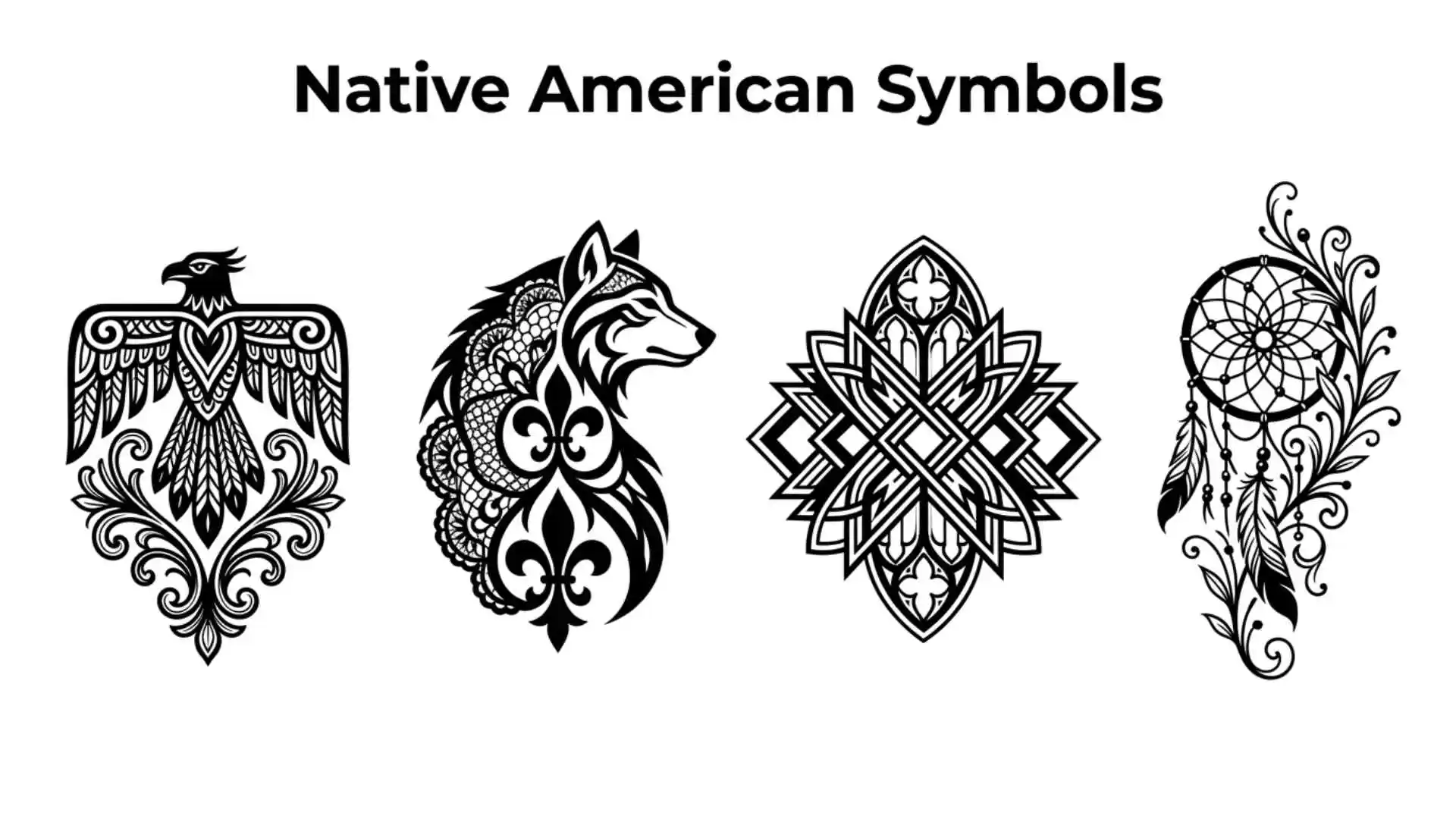
Native American symbols carry stories that reach far beyond art and decoration. They hold memories of ancestors, spiritual beliefs, survival, courage, healing, and the deep connection between humans and nature. Across generations, these sacred signs became powerful ways to express identity, wisdom, and emotional truth.
From ancient cave carvings to woven blankets and ceremonial objects, native american symbols continue to fascinate people around the world. Some represent protection while others symbolize strength, harmony, freedom, or spiritual awakening. Many people today search for the meaning of symbols because they want guidance, emotional connection, or a deeper understanding of culture and spirituality.
What makes these symbols truly special is their timeless emotional power. Even in modern life, they still speak to human emotions like hope, resilience, peace, and belonging. This guide explores the history, meaning, and emotional significance behind the most important Native American symbols and explains why they remain meaningful across cultures today.
Why Native American Symbols Matter Across Generations
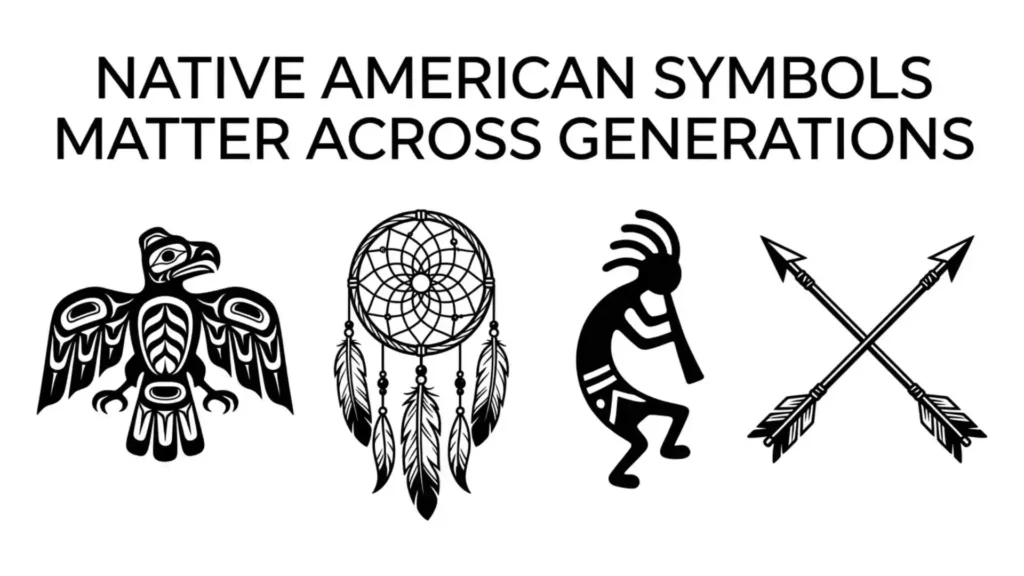
Symbols have always helped people communicate emotions and beliefs before written language existed. For Native American tribes, symbols were more than artistic designs. They were sacred teachings passed through storytelling, rituals, clothing, pottery, weapons, and ceremonies.
Every tribe had unique traditions and visual languages. Tribes such as the Navajo, Cherokee, Hopi, Lakota, Apache, and Sioux used symbols to express spiritual understanding and life lessons. These symbols often reflected nature because Native American cultures viewed humans as deeply connected to the earth.
Many symbols represented:
- Protection from danger
- Balance between mind and spirit
- Respect for animals and nature
- Guidance from ancestors
- Courage during hardship
- Healing and inner peace
Did you know? Some Native American symbols were believed to carry spiritual energy and were only used during sacred ceremonies.
Today, people around the world wear or display these symbols because they connect emotionally with their meanings. Similar symbolic traditions also exist in Africa, Asia, and Europe where symbols often represent wisdom, destiny, or spiritual protection.
The Dreamcatcher Meaning and Why It Became So Popular
One of the most recognized native american symbols is the dreamcatcher. Originally created by the Ojibwe people, the dreamcatcher was traditionally hung above sleeping areas to protect people from bad dreams and negative energy.
What Does the Dreamcatcher Represent?
The circular shape represents the cycle of life and the movement of the sun across the sky. The woven web inside catches harmful dreams while allowing peaceful dreams to pass through.
The feathers symbolize:
- Breath and air
- Spiritual guidance
- Gentleness and peace
The beads often represent:
- The spider spirit that protects wisdom
- Good dreams trapped in the web
Psychologically, the dreamcatcher gives people a feeling of safety and emotional comfort. It reminds people to filter negativity from their lives and focus on hope and positivity.
Dreamcatchers Across Cultures
In Asia, protective hanging charms serve similar spiritual purposes. In Europe, ancient people used protective symbols against evil spirits. African tribal traditions also used woven spiritual objects for protection and healing rituals.
The dreamcatcher became globally popular because people emotionally connect with the idea of protecting peace and emotional well being.
The Powerful Meaning of the Thunderbird Symbol
The Thunderbird is one of the most sacred Native American symbols. Many tribes believed this legendary spirit bird controlled storms, thunder, and lightning.
Symbolism of the Thunderbird
The Thunderbird often represents:
- Strength
- Divine power
- Fearlessness
- Spiritual protection
- Transformation
In Native American stories, the Thunderbird was seen as a guardian spirit watching over humanity. Some tribes believed the sound of thunder came from the beating of its wings.
Emotionally, the Thunderbird symbolizes inner power during difficult times. It reminds people that storms in life can lead to growth and renewal.
Similar Symbols Around the World
- In Greek mythology, Zeus used thunderbolts as symbols of power.
- In African traditions, lightning spirits represented divine judgment.
- In Asian mythology, dragon gods controlled storms and rain.
This connection between storms and spiritual power appears in many cultures because humans naturally associate thunder with strength and mystery.
The Sacred Meaning of the Bear Symbol
The bear holds deep spiritual meaning in many Native American traditions. Unlike modern ideas that only focus on physical strength, Native American cultures also viewed the bear as a healer and wise protector.
What the Bear Represents
The bear symbolizes:
- Courage
- Leadership
- Healing
- Protection of family
- Inner confidence
Shamans and healers often connected with bear energy because bears understand survival, rest, and renewal. During hibernation, the bear became a symbol of reflection and spiritual rebirth.
Psychologically, the bear represents emotional resilience. It reminds people to stand strong while also knowing when to rest and heal.
Bear Symbolism in Other Cultures
- In Europe, bears represented warriors and kingship.
- In Asia, bears symbolized bravery and protection.
- In Siberian traditions, bears were seen as spiritual ancestors.
The universal respect for bears shows humanity’s admiration for strength balanced with wisdom.
The Wolf Symbol and the Meaning of Loyalty
The wolf is another deeply respected figure among native american symbols. Wolves were admired for their intelligence, teamwork, instincts, and strong family bonds.
Spiritual Meaning of the Wolf
The wolf often represents:
- Loyalty
- Freedom
- Instinct
- Family connection
- Leadership through wisdom
Many tribes believed wolves could guide humans spiritually. A lone wolf could symbolize independence while a wolf pack represented unity and survival through cooperation.
Emotionally, the wolf symbolizes the need for belonging while also honoring personal freedom. Many people connect deeply with the wolf because it reflects both strength and emotional intelligence.
Wolf Symbolism Worldwide
- In Roman mythology, wolves represented protection and survival.
- In Japanese folklore, wolves guarded travelers.
- In Nordic culture, wolves symbolized fate and power.
The emotional connection humans feel toward wolves exists across many civilizations because wolves mirror human social behavior and family structures.
The Medicine Wheel and the Symbol of Balance
The Medicine Wheel is one of the most spiritual Native American symbols. It represents balance in life and the connection between physical, emotional, mental, and spiritual health.
Meaning of the Medicine Wheel
The wheel usually contains four sections representing:
- The four directions
- The four seasons
- The four stages of life
- The balance between body and spirit
Colors often hold spiritual meanings:
- Red for strength and earth
- Yellow for energy and growth
- Black for wisdom and reflection
- White for peace and clarity
The Medicine Wheel teaches that healing comes from balance. Emotionally, it reminds people that life works best when mind, body, and spirit stay connected.
Similar Concepts in Other Cultures
- Chinese philosophy uses Yin and Yang for balance.
- Hindu traditions teach spiritual harmony through chakras.
- African spiritual systems often focus on balance with nature and ancestors.
The idea of balance appears universally because humans naturally seek emotional and spiritual stability.
The Arrow Symbol and Its Hidden Emotional Meaning
At first glance, arrows may seem simple, but they hold deep symbolic meaning in Native American culture.
Different Meanings of Arrows
A single arrow often represents:
- Protection
- Defense
- Direction in life
Two crossed arrows symbolize:
- Friendship
- Peace between tribes
A broken arrow represents:
- Peace
- Ending conflict
An arrow pointing downward may symbolize:
- Peaceful resolution
Emotionally, arrows remind people that life always moves forward. Even after hardship, there is direction and purpose ahead.
Why Arrow Symbols Remain Popular
Today, arrow tattoos and jewelry remain popular because they represent:
- Moving forward after pain
- Personal growth
- Staying focused on goals
Similar meanings appear in many cultures where arrows symbolize ambition, progress, and protection.
The Kokopelli Symbol and the Spirit of Joy
Kokopelli is a famous fertility and music symbol often connected to Southwestern Native American tribes.
Who Is Kokopelli?
Kokopelli is usually shown as a flute player with a curved back. He symbolizes:
- Joy
- Fertility
- Celebration
- Music
- Storytelling
- Prosperity
According to legends, Kokopelli traveled from village to village bringing happiness, music, and good fortune.
Emotionally, Kokopelli represents the importance of creativity and emotional expression. Music and storytelling helped Native American communities preserve wisdom and strengthen relationships.
Global Similarities
- In Greek culture, Pan represented music and nature.
- African traditions often connect drums and music with spiritual celebration.
- Asian cultures use flute music for meditation and emotional healing.
This universal connection between music and healing explains why Kokopelli remains beloved worldwide.
Animal Symbols in Native American Culture and Their Deeper Meanings
Animals played a major role in Native American spirituality because they were viewed as teachers and spiritual guides.
Eagle Symbol Meaning
The eagle represents:
- Vision
- Freedom
- Spiritual connection with the Creator
Eagles fly high above the earth which symbolizes wisdom and higher understanding.
Turtle Symbol Meaning
The turtle symbolizes:
- Longevity
- Patience
- Protection
- Stability
Some Native American creation stories describe the earth resting on a turtle’s back.
Owl Symbol Meaning
The owl often represents:
- Wisdom
- Intuition
- Mystery
- Spiritual insight
However, some tribes also associated owls with warnings or spiritual messages.
Coyote Symbol Meaning
The coyote symbolizes:
- Cleverness
- Adaptability
- Humor
- Life lessons through mistakes
Many Native American stories use the coyote as a trickster figure who teaches wisdom through unexpected situations.
Did you know? Native American animal symbols inspired many modern spiritual practices and personal growth philosophies used today.
The Role of Nature in Native American Symbolism
Nature is central to nearly all native american symbols. Unlike many modern lifestyles that separate humans from nature, Native American traditions viewed nature as family and teacher.
Common natural symbols include:
- Sun for life and energy
- Moon for feminine wisdom and cycles
- Rain for renewal and blessings
- Mountains for spiritual strength
- Rivers for change and life flow
This deep respect for nature created symbols that continue to feel emotionally powerful today.
Comparing Nature Symbolism Around the World
- Japanese culture values cherry blossoms as symbols of temporary beauty.
- African traditions often use trees as symbols of ancestors and wisdom.
- Celtic European cultures respected forests as sacred spiritual spaces.
Across cultures, nature symbols help humans feel connected to something larger than themselves.
How Native American Symbols Influence Modern Life Today
Even today, native american symbols influence fashion, art, wellness, jewelry, tattoos, interior design, and spiritual practices.
People are drawn to these symbols because they offer:
- Emotional comfort
- Identity and belonging
- Spiritual meaning
- Connection with nature
- Personal empowerment
However, understanding their true cultural meaning is important. Respectful appreciation matters more than using symbols only as trends.
Modern Uses of Native American Symbols
You can see these symbols in:
- Tattoo art
- Meditation spaces
- Jewelry and accessories
- Home decor
- Healing practices
- Personal growth communities
Their lasting popularity proves that humans continue searching for meaning, protection, balance, and emotional connection.
Frequently Asked Questions About Native American Symbols
What are the most common Native American symbols?
Some of the most common native american symbols include the dreamcatcher, Thunderbird, bear, wolf, eagle, turtle, arrow, Medicine Wheel, and Kokopelli.
What does the dreamcatcher symbolize?
The dreamcatcher symbolizes protection from negative energy and bad dreams while encouraging peaceful thoughts and spiritual balance.
Why are animals important in Native American symbolism?
Animals are viewed as spiritual guides and teachers. Different animals represent qualities like courage, wisdom, loyalty, healing, or freedom.
What does the Medicine Wheel mean?
The Medicine Wheel represents harmony and balance between physical, emotional, mental, and spiritual aspects of life.
Are Native American symbols spiritual?
Yes. Many Native American symbols hold sacred spiritual meanings connected to nature, ancestors, healing, and life lessons.
Can people outside Native American culture use these symbols?
People can respectfully appreciate Native American symbols by understanding their cultural and spiritual significance instead of using them only as decoration.
Why are Native American symbols still popular today?
They remain popular because they carry emotional depth and universal meanings like hope, strength, healing, balance, and connection with nature.
Conclusion
Native American symbols are far more than beautiful designs. They are emotional maps of human experience filled with wisdom, resilience, spirituality, and respect for nature. From the protective dreamcatcher to the fearless Thunderbird and the wise wolf, each symbol carries lessons that still resonate in modern life.
These symbols continue to inspire people because they speak directly to universal human emotions like courage, healing, belonging, peace, and transformation. Across America, Asia, Africa, and Europe, cultures may use different images, but the emotional meanings often remain surprisingly similar.
Understanding the meaning of symbols helps people connect not only with history and culture but also with themselves. In a fast moving world, Native American symbols remind us to seek balance, honor nature, trust our instincts, and protect the spirit within us.

Joseph Walker is a passionate writer and researcher focused on symbols, hidden meanings, ancient signs, and cultural symbolism from around the world. He enjoys exploring the stories and mysteries behind spiritual icons, mythological signs and historical emblems.
He is the author of “The Power Behind Timeless Symbols”. His work helps readers understand the deeper meanings of symbols in a simple and engaging way.
Through his articles, Joseph aims to make symbolism easier to explore for curious minds and modern readers.