Welding symbols are more than tiny marks printed on blueprints. They are the secret language that turns raw metal into bridges, pipelines, skyscrapers, ships, and machines that shape everyday life. A single symbol can tell a welder where to weld, how deep the weld should go, and what type of finish is required. If that symbol is misunderstood, the entire structure can fail.
Imagine standing in a busy fabrication shop with sparks flying and heavy steel plates waiting to be joined. In that moment, welding symbols become the guide that prevents mistakes and creates precision. They save time, improve safety, and ensure quality. Whether you are a beginner learning fabrication or an experienced welder working on industrial projects, understanding welding symbols can completely change the way you work.
Many people see welding symbols as confusing technical marks. In reality, they are a universal communication system used across industries and cultures. From the United States to Europe and Asia, these symbols help welders speak the same language without saying a single word.
This detailed guide will help you understand welding symbols in the simplest way possible. You will learn their meanings, emotional importance, history, cultural relevance, and practical applications in real life.
What Are Welding Symbols and Why Are They Important
Welding symbols are graphic signs used on engineering drawings and blueprints to communicate welding instructions clearly. They tell the welder exactly what type of weld is needed, where it should be placed, and how it should look after completion.
These symbols act like a roadmap. Without them, welders would have to rely on verbal instructions, which can lead to expensive mistakes and dangerous structural problems.
Why Welding Symbols Matter in Real Life
A welding symbol may look small, but it carries huge responsibility. It helps create:
- Safe buildings
- Reliable pipelines
- Strong automotive frames
- Durable ships and aircraft
- Industrial machinery
In industries where safety matters, even a small misunderstanding can cause major failures. That is why learning welding symbols is considered one of the most important skills for professional welders.
Emotional Meaning Behind Welding Symbols
Welding symbols also represent trust and precision. They show how humans transformed complex engineering into a universal visual language. For many welders, these symbols symbolize craftsmanship, pride, and responsibility.
The History and Origin of Welding Symbols
The use of welding symbols became standardized during the industrial expansion of the twentieth century. As factories grew larger and engineering projects became more complex, there was a need for a universal method of communication.
The American Welding Society, commonly known as AWS, developed standardized welding symbols that are widely used today. European countries later adopted similar standards through ISO systems.
How Different Cultures Use Welding Symbols
United States
In the USA, welding symbols focus heavily on clarity, safety, and industrial consistency. The AWS standard is widely respected worldwide.
Europe
European systems often follow ISO standards. They emphasize precision engineering and technical detailing.
Asia
Countries like Japan and South Korea use welding symbols extensively in shipbuilding and automotive industries. Their approach reflects efficiency and perfection.
Africa
In many African industries, welding symbols are becoming increasingly important due to rapid infrastructure development and industrial growth.
Did you know?
The same welding symbol can guide workers building a bridge in America and technicians manufacturing trains in Japan.
Understanding the Basic Parts of Welding Symbols
Before learning advanced welding symbols, it is important to understand the basic structure.
Reference Line
The reference line is the foundation of the welding symbol. Every other element connects to this line.
Arrow
The arrow points to the location where the weld is required.
Tail
The tail contains additional instructions like welding process or specifications.
Weld Symbol
This indicates the type of weld needed.
Dimensions and Numbers
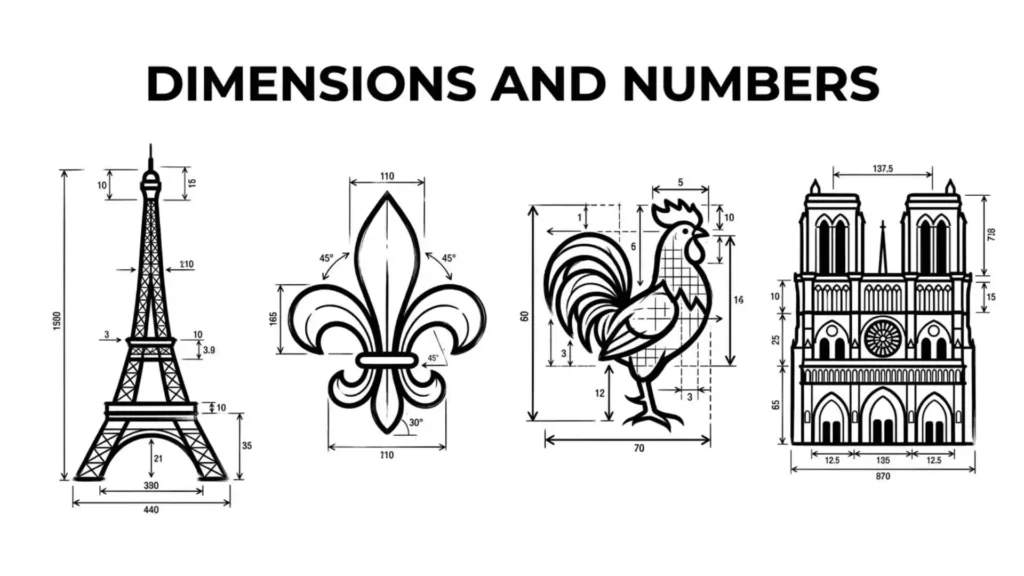
These specify size, depth, angle, spacing, and length of the weld.
When combined, these elements create a complete welding instruction that leaves little room for confusion.
Types of Welding Symbols Every Beginner Should Know
There are many types of welding symbols, but some are used far more often than others. Understanding these symbols is the first step toward reading blueprints confidently.
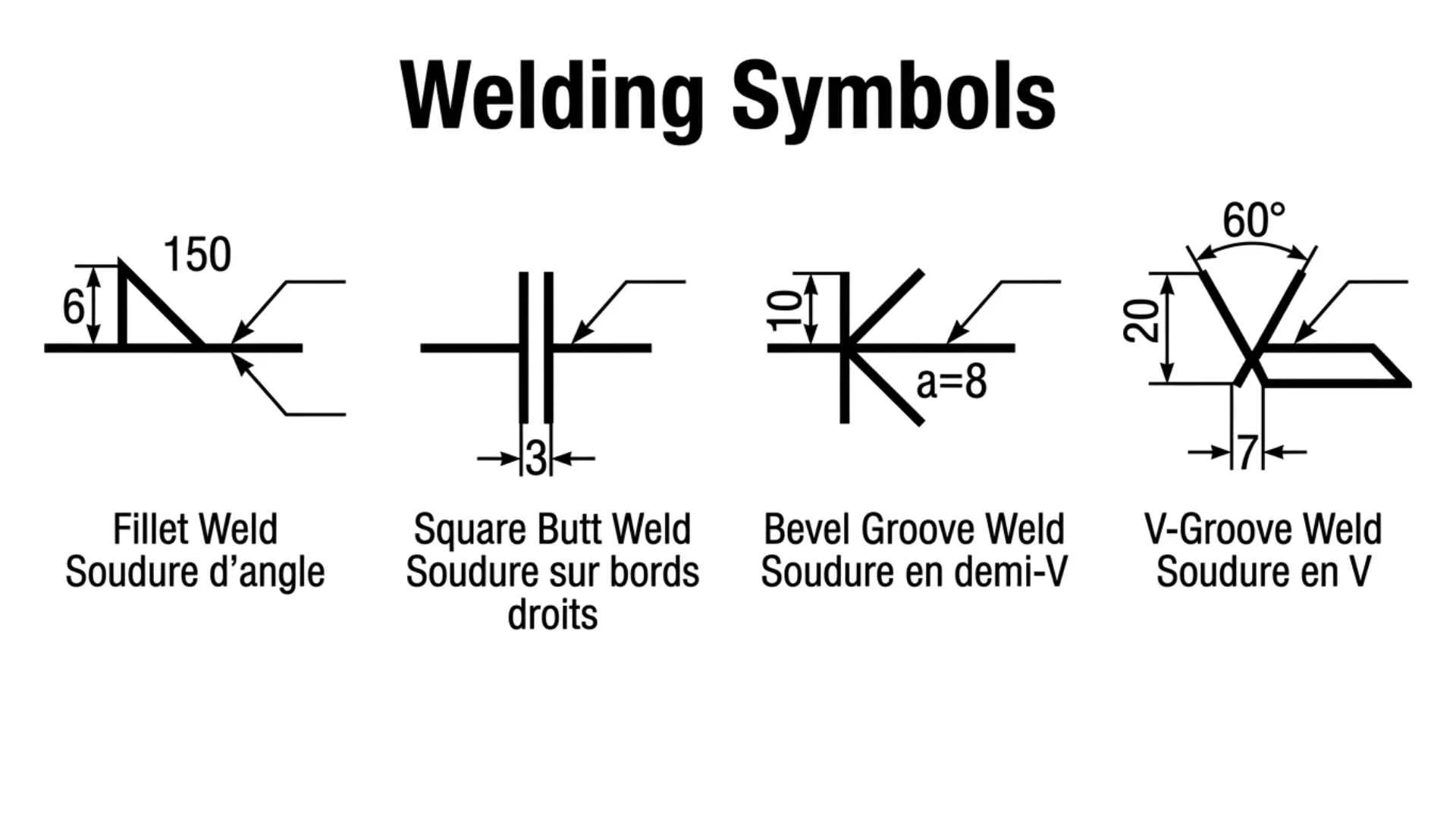
Fillet Weld Symbol
The fillet weld symbol is one of the most common welding symbols. It looks like a small triangle.
Meaning of the Fillet Weld Symbol
This symbol represents a weld used to join two metal surfaces at right angles.
Emotional and Practical Meaning
The fillet weld represents strength and support. It is commonly used in construction because it creates strong joints capable of carrying heavy loads.
Common Uses
- Steel structures
- Frames
- Bridges
- Shipbuilding
Groove Weld Symbol
Groove welds are used when metals need deep penetration and maximum strength.
Types of Groove Welds
- Square groove
- V groove
- Bevel groove
- U groove
- J groove
Why Groove Welds Matter
These welds symbolize durability and deep connection. They are often used in pipelines and pressure vessels where failure is not an option.
Plug and Slot Weld Symbols
These symbols indicate welds placed inside holes or slots.
Practical Importance
They distribute force evenly and increase structural integrity.
Psychological Representation
These welds symbolize hidden strength because most of the weld remains unseen while still carrying massive loads.
Spot and Seam Weld Symbols
These symbols are commonly used in automotive manufacturing.
Spot Weld
A spot weld joins metal sheets at specific points.
Seam Weld
A seam weld creates a continuous connection.
Why They Matter
Cars, appliances, and industrial equipment rely heavily on these welding methods.
Did you know?
Modern car manufacturing plants create thousands of spot welds every single day.
How to Read Welding Symbols Correctly
Many beginners struggle because welding symbols initially appear confusing. However, once you understand the system, reading them becomes much easier.
Step 1: Look at the Arrow
The arrow shows the exact joint location.
Step 2: Read the Weld Symbol
This identifies the type of weld required.
Step 3: Check the Dimensions
Numbers provide details about size and length.
Step 4: Look for Additional Symbols
Extra symbols may indicate finishing methods or contour requirements.
Step 5: Read the Tail Information
The tail often includes welding processes like MIG, TIG, or stick welding.
Common Supplementary Welding Symbols and Their Meanings
Supplementary symbols provide additional instructions about the weld appearance and finishing.
Flat Contour Symbol
This indicates the weld should have a smooth flat finish.
Emotional Meaning
Flat contour symbols often represent perfection and balance because the finished weld must blend evenly with the surface.
Convex Contour Symbol
This symbol indicates a raised weld surface.
Why It Matters
Convex welds often provide extra reinforcement.
Concave Contour Symbol
This indicates a curved inward weld shape.
Common Applications
Used where stress distribution is important.
Finish Symbols
Finish symbols explain how the weld should be completed.
Examples include:
- Grinding
- Machining
- Chipping
- Hammering
These symbols help ensure both appearance and performance meet industry standards.
Welding Symbols in Different Welding Processes
Different welding methods rely on welding symbols for accurate communication.
MIG Welding Symbols
MIG welding symbols are common in automotive and manufacturing industries.
Why They Matter
MIG welding is fast and efficient, making precise symbols essential for production quality.
TIG Welding Symbols
TIG welding symbols are used for high precision applications.
Industries Using TIG Symbols
- Aerospace
- Medical equipment
- Food processing
Emotional Representation
TIG welding often symbolizes perfection because of its clean and artistic appearance.
Stick Welding Symbols
Stick welding symbols are common in construction and outdoor fabrication.
Why They Are Important
These symbols help workers perform reliable welds even in harsh conditions.
Psychological Meaning of Welding Symbols
Most people never think about the emotional or psychological side of welding symbols, but they carry deep meaning.
Symbols of Precision
Welding symbols represent discipline and accuracy. They remind welders that every detail matters.
Symbols of Trust
Engineers trust welders to interpret symbols correctly because lives may depend on their work.
Symbols of Human Creativity
Welding symbols show humanity’s ability to simplify complex engineering into visual communication.
Symbols of Connection
At their core, welding symbols represent joining and unity. They bring separate pieces together to create something stronger.
Common Mistakes People Make When Reading Welding Symbols
Even experienced welders can misread symbols if they rush.
Ignoring the Arrow Side
One of the biggest mistakes is misunderstanding whether the weld belongs on the arrow side or opposite side.
Missing Dimensions
A weld may be correct in type but fail because the dimensions are wrong.
Forgetting Supplementary Symbols
Contour and finish symbols are often overlooked.
Confusing Similar Symbols
Some weld symbols appear similar but have completely different meanings.
Tips to Learn Welding Symbols Faster
Learning welding symbols becomes easier with consistent practice.
Study Real Blueprints
Looking at real fabrication drawings helps build familiarity.
Practice Daily
Even fifteen minutes a day can improve recognition skills.
Use Flashcards
Visual repetition helps memory retention.
Watch Professional Welders
Experienced welders often explain symbols naturally while working.
Learn Industry Standards
Understanding AWS and ISO standards builds professional confidence.
Did you know?
Many welding certification exams heavily focus on symbol interpretation because it is considered essential for workplace safety.
Welding Symbols and Modern Technology
Technology has transformed how welding symbols are used.
CAD Software and Welding Symbols
Modern engineering software automatically generates welding symbols.
Benefits
- Faster design
- Reduced human error
- Improved communication
Robotics and Automated Welding
Robotic welding systems rely on highly accurate symbols and programming instructions.
Future of Welding Symbols
As industries move toward automation, welding symbols remain essential because machines still depend on clear instructions.
The Role of Welding Symbols in Safety
Welding symbols directly impact human safety.
Structural Safety
Correct welds prevent collapse in bridges and buildings.
Workplace Safety
Clear instructions reduce accidents caused by miscommunication.
Product Reliability
From airplanes to pipelines, proper welding symbols help ensure long term durability.
This is why professional welders treat symbols with extreme seriousness.
Why Every Welder Should Master Welding Symbols
Many beginner welders focus only on physical welding skills. However, understanding welding symbols is equally important.
A welder who understands symbols can:
- Read blueprints confidently
- Avoid costly mistakes
- Work independently
- Earn better job opportunities
- Build professional credibility
In many industries, blueprint reading skills separate average welders from highly respected professionals.
FAQs About Welding Symbols
What are welding symbols used for?
Welding symbols are used to communicate welding instructions on blueprints and engineering drawings. They explain weld type, location, size, and finishing requirements.
Who created standard welding symbols?
The American Welding Society developed standardized welding symbols that are widely used around the world.
Why are welding symbols important?
They improve accuracy, safety, and communication in fabrication and construction projects.
What is the most common welding symbol?
The fillet weld symbol is one of the most commonly used welding symbols in fabrication work.
Are welding symbols universal worldwide?
Many countries use similar standards, although some regions follow AWS while others follow ISO systems.
Can beginners learn welding symbols easily?
Yes. With regular practice and exposure to blueprints, beginners can quickly understand common welding symbols.
Do robotic welding systems use welding symbols?
Yes. Automated welding systems rely heavily on precise welding instructions and symbol interpretation.
Conclusion
Welding symbols are far more than technical marks on paper. They are the universal language of fabrication, engineering, and structural safety. Every symbol carries meaning, purpose, and responsibility. From simple fillet welds to advanced groove weld instructions, these symbols guide the creation of structures that people rely on every day.
Understanding welding symbols gives welders confidence, precision, and professional value. It allows teams across different countries and cultures to communicate clearly without confusion. Whether you are entering the welding industry or improving your technical skills, mastering these symbols can open doors to better opportunities and safer workmanship.
In a world built on metal, welding symbols quietly hold everything together. They represent trust, connection, craftsmanship, and human innovation in one powerful visual language.

Nicholas Allen is a passionate writer and symbolism researcher who explores the hidden meanings behind ancient signs, spiritual icons and cultural symbols from around the world. His work focuses on making complex symbolism easy to understand for modern readers.
He is the author of “Mystic Signs and Their Hidden Meanings”. Through his writing, Nicholas helps readers discover the stories, beliefs and mysteries connected to symbols across history and different cultures.