
Have you ever stared at your washing machine symbols and felt completely confused? You are not alone. Those tiny icons on your washer, detergent drawer, or clothing labels often look like a secret language. One wrong setting can shrink your favorite sweater, fade expensive clothes, or leave towels smelling strange. Understanding washing machine symbols is not just about doing laundry correctly. It is about protecting your clothes, saving money, and making daily life easier.
Every symbol on a washing machine tells a story. Some represent care, cleanliness, safety, or fabric protection. Others were created to make laundry universal across countries and cultures. Once you learn their meanings, laundry becomes less stressful and more efficient. This guide will help you decode every important washing machine symbol in the simplest way possible.
Why Washing Machine Symbols Matter More Than You Think
Washing machine symbols are designed to communicate instructions quickly without using words. Since washing machines are sold globally, manufacturers needed a universal visual language that everyone could understand.
These symbols help people avoid common laundry disasters such as:
- Shrinking wool clothes
- Fading dark fabrics
- Damaging delicate garments
- Overusing detergent
- Using the wrong wash cycle
- Ruining fabric texture
In many homes, laundry carries emotional value too. A baby blanket, wedding dress, favorite hoodie, or family bedsheet often holds memories. Understanding the meaning of symbols helps preserve those emotional connections.
Did you know? Studies show that many people use only two or three washing settings even though modern machines may have more than fifteen specialized cycles.
The Most Common Washing Machine Symbols and Their Meanings
Tub Symbol
The tub icon is the most important symbol on any washing machine. It usually represents the washing process itself.
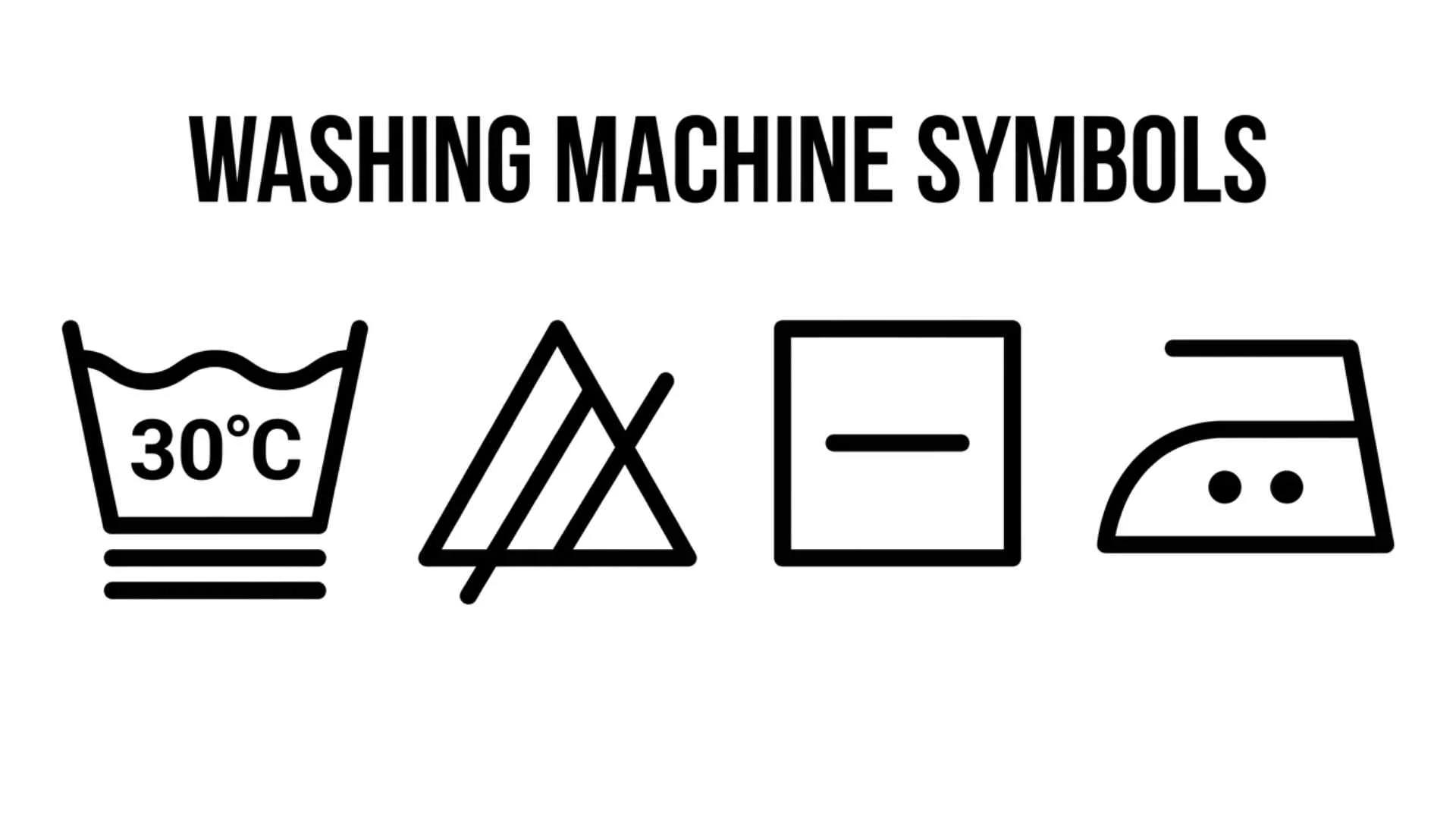
A plain tub filled with water means a standard wash cycle. If you see a number inside the tub such as 30, 40, or 60, it refers to the recommended water temperature in Celsius.
- 30°C means cold or gentle wash
- 40°C is ideal for everyday clothing
- 60°C works best for towels and heavily soiled clothes
Emotionally, the tub symbol represents cleansing and renewal. Across cultures, water has always symbolized purification and fresh beginnings.
Hand Wash Symbol
A hand inside a water tub means the fabric should be washed gently by hand or on a delicate machine cycle.
This symbol often appears on silk, lace, wool, and fragile fabrics. Ignoring it may permanently damage clothing.
In Asian cultures, hand washing delicate garments has traditionally represented respect for valuable items. Even today, many people believe caring gently for clothes reflects mindfulness and discipline.
Spin Symbol
The spin symbol usually looks like a spiral or twisted shape. It controls how fast the machine spins to remove water.
- High spin speeds dry clothes faster
- Low spin speeds protect delicate fabrics
Too much spinning can stretch fabrics or create wrinkles. This symbol reminds users that balance matters.
Psychologically, spinning symbols often represent movement, energy, and transformation.
Rinse Symbol
A tub with water droplets or waves indicates rinsing. This cycle removes detergent residue from clothes.
Extra rinse settings are especially useful for:
- Sensitive skin
- Baby clothes
- Thick blankets
- Allergy sufferers
In Europe, extra rinse cycles became popular because many households used concentrated detergents that required deeper cleaning.
Drain Symbol
A downward arrow or empty tub often represents draining water from the machine.
This symbol is useful when:
- Clothes are soaking wet
- The cycle stops unexpectedly
- Manual draining is needed
Drain symbols symbolize release and letting go. Water draining away emotionally connects with removing dirt, stress, and heaviness.
Understanding Laundry Label Symbols on Clothes
Many people confuse washing machine symbols with clothing care symbols. Both work together to protect fabrics.
Washing Symbol
The wash tub icon on clothing labels tells you how safely the garment can be washed.
- One line under the tub means permanent press
- Two lines mean delicate cycle
- Crossed tub means do not wash
Bleach Symbol
A triangle represents bleach instructions.
- Empty triangle means bleach allowed
- Crossed triangle means no bleach
- Triangle with lines means non chlorine bleach only
Bleach symbols became standardized to prevent fabric damage and chemical accidents.
Drying Symbol
A square represents drying instructions.
- Circle inside square means tumble dry
- Dots inside indicate heat level
- Crossed symbol means avoid machine drying
Drying symbols are especially important because heat damage is one of the biggest reasons clothes lose shape.
Ironing Symbol
An iron icon indicates safe ironing temperatures.
- One dot means low heat
- Two dots mean medium heat
- Three dots mean high heat
Ignoring ironing symbols can permanently burn synthetic fabrics.
Detergent Drawer Symbols Explained Clearly
One of the most confusing areas of any washing machine is the detergent drawer. The symbols here decide where detergent, softener, and pre wash products go.
I Symbol
The “I” compartment is for pre wash detergent.
Use this only for heavily stained clothes or muddy garments.
II Symbol
The “II” compartment is for the main detergent used in regular washing cycles.
This is the section most people use daily.
Flower Symbol
A flower icon represents fabric softener.
Adding too much softener can make towels less absorbent and damage sportswear fabrics.
In many cultures, soft smelling clothes symbolize cleanliness, hospitality, and comfort.
The Hidden Meaning Behind Temperature Symbols
Temperature symbols do more than guide washing. They protect fabric fibers and influence hygiene.
Cold Wash Symbol
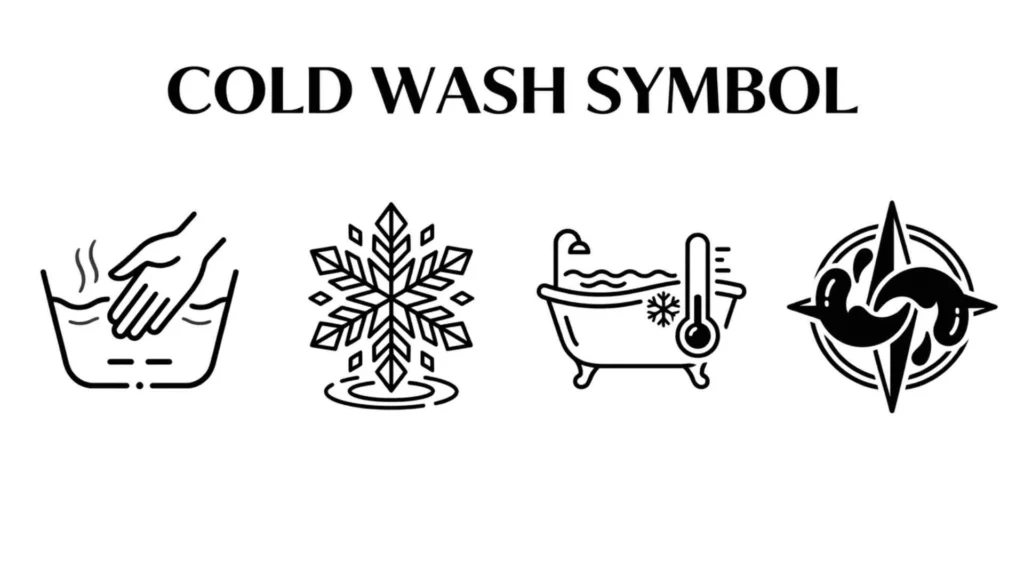
Cold washing saves energy and protects colors from fading.
Modern detergents are designed to work effectively even in cold water.
Cold washes symbolize sustainability and environmental awareness in many Western countries.
Warm Wash Symbol
Warm temperatures clean everyday dirt while remaining safe for most fabrics.
Ideal for:
- T shirts
- School uniforms
- Bedsheets
- Casual wear
Hot Wash Symbol
Hot washing kills bacteria and removes deep stains.
Best for:
- Towels
- White cotton fabrics
- Bedding
- Gym clothes
In healthcare settings worldwide, high temperature washing represents sanitation and safety.
Did you know? Washing clothes at lower temperatures can significantly reduce household electricity use.
Delicate and Special Care Symbols You Should Never Ignore
Wool Symbol
A yarn ball or wool icon means the garment requires gentle handling.
Wool shrinks easily because heat and friction tighten natural fibers.
In colder regions like Europe and Central Asia, wool has historically symbolized warmth, survival, and craftsmanship.
Silk Symbol
Silk garments usually carry delicate wash instructions because the fabric weakens in high heat.
Silk historically represented luxury and status across China, India, and the Middle East.
Eco Wash Symbol
Modern washing machines often include eco symbols represented by leaves or energy icons.
These settings:
- Use less water
- Reduce electricity
- Extend wash time gently
Eco washing reflects growing environmental awareness globally.
Quick Wash Symbol
A clock or fast moving icon indicates quick wash mode.
Perfect for:
- Lightly worn clothes
- Busy lifestyles
- Emergency laundry needs
Quick wash cycles symbolize speed and convenience in modern society.
How Washing Machine Symbols Differ Around the World
Although many laundry symbols are standardized, cultural habits influence how people use washing machines.
United States
American washing machines often focus on:
- Load size
- Water level
- Hot water cleaning
Large family loads are common because homes typically have bigger washers.
Europe
European machines emphasize:
- Eco efficiency
- Fabric care
- Lower energy use
Front load machines dominate European households.
Asia
Many Asian households prioritize:
- Gentle washing
- Compact machines
- Hand wash inspired settings
Laundry care is often associated with discipline and cleanliness.
Africa
In many African regions, washing machine use varies widely depending on urban access and electricity availability.
Symbols emphasizing water efficiency are becoming increasingly important.
Smart Washing Machine Symbols in Modern Appliances
Today’s washing machines use advanced digital symbols that confuse many users at first.
Wi Fi Symbol
Indicates smart connectivity with mobile apps.
You can:
- Start cycles remotely
- Receive maintenance alerts
- Monitor energy usage
Child Lock Symbol
Usually shown as a smiling face or lock icon.
This protects children from accidentally opening the machine during operation.
Steam Symbol
Steam cycles remove wrinkles, bacteria, and odors gently.
Steam cleaning has become popular because it refreshes clothes without aggressive washing.
Drum Clean Symbol
This reminds users to clean the washing machine itself.
A dirty machine can cause:
- Bad smells
- Mold buildup
- Poor cleaning results
Did you know? Many people never clean their washing machine even though manufacturers recommend monthly cleaning.
Common Laundry Mistakes Caused by Misunderstanding Symbols
Using Too Much Detergent
Many people believe extra detergent means cleaner clothes. Actually, it creates residue and unpleasant odors.
Ignoring Delicate Symbols
Delicate fabrics need low heat and gentle spinning.
Mixing Temperature Settings
Hot water can shrink fabrics while cold water may not remove heavy stains effectively.
Overloading the Machine
Overloading prevents clothes from moving freely, reducing cleaning performance.
Misusing Fabric Softener
Certain athletic fabrics lose moisture wicking ability when exposed to softeners.
The Psychology Behind Laundry Symbols and Human Behavior
Symbols affect behavior more than many people realize. Visual instructions reduce confusion and improve decision making.
People often trust symbols faster than written instructions because symbols:
- Cross language barriers
- Save time
- Feel intuitive
- Reduce anxiety
Laundry symbols also create emotional reassurance. Seeing familiar icons makes people feel more confident using appliances.
In design psychology, rounded symbols like water tubs feel softer and safer while sharp symbols signal caution.
How to Read Washing Machine Symbols Like a Professional
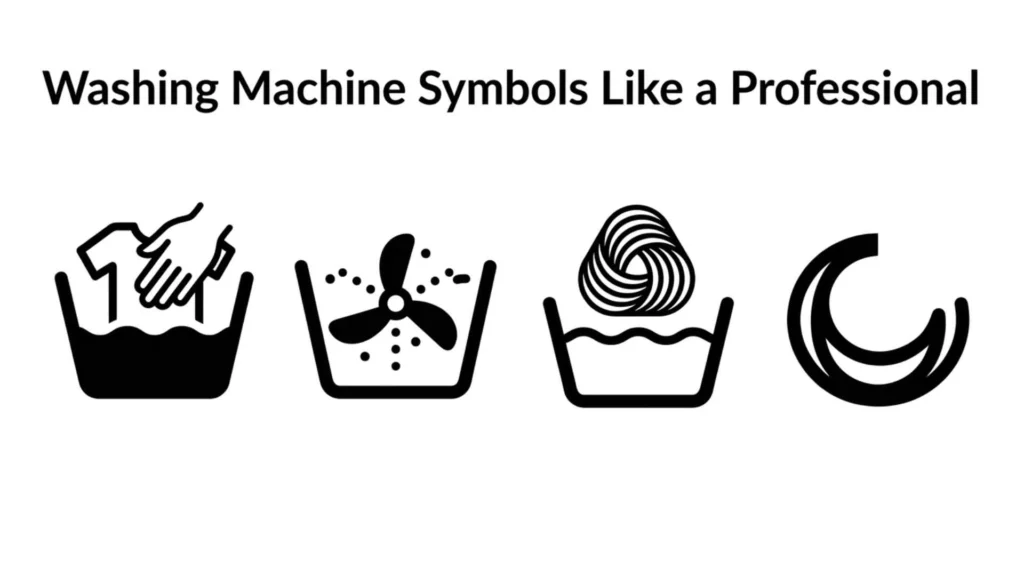
Here is a simple method professionals use:
Step 1: Check Clothing Labels First
Always begin with garment care labels before choosing machine settings.
Step 2: Match Fabric Type
Separate:
- Cotton
- Wool
- Synthetics
- Delicates
Step 3: Choose Temperature Carefully
Use the lowest effective temperature whenever possible.
Step 4: Understand Spin Speed
Lower spins protect delicate items.
Step 5: Avoid Guessing
If unsure, use gentle cycles.
Learning these basics prevents most laundry accidents.
Did You Know? Fascinating Facts About Washing Machine Symbols
- Laundry care symbols became internationally standardized in the 1960s.
- Some luxury clothing brands use extra care symbols unique to their fabrics.
- Eco wash symbols gained popularity after global energy conservation campaigns.
- Washing machines now contain more symbols than many smartphones.
- Professional textile experts can identify fabric damage simply by checking incorrect wash settings.
FAQs About Washing Machine Symbols
What do the symbols on a washing machine mean?
They represent washing instructions such as temperature, spin speed, drying settings, rinsing, and fabric care options.
What is the flower symbol on a washing machine?
The flower icon indicates the fabric softener compartment in the detergent drawer.
What does the spiral symbol mean?
The spiral symbol usually represents the spin cycle or spin speed setting.
Which washing machine symbol means delicate wash?
A tub with two lines underneath typically represents delicate or gentle washing.
What happens if I ignore washing symbols?
Ignoring symbols can shrink clothes, fade colors, weaken fabrics, or permanently damage garments.
Why are washing machine symbols universal?
Manufacturers created standardized symbols so people worldwide could understand laundry instructions regardless of language.
What is the eco symbol on a washing machine?
The eco symbol usually looks like a leaf and represents energy efficient washing cycles that use less water and electricity.
Conclusion
Washing machine symbols may look small, but they play a huge role in protecting your clothes and simplifying everyday life. Once you understand these icons, laundry becomes less confusing and much more effective. Every symbol represents care, cleanliness, protection, and smart fabric management. From temperature control to delicate cycles, these symbols help preserve memories attached to your favorite clothes while saving money on replacements.
Understanding the meaning of washing machine symbols also connects us to a larger global system of communication. These tiny designs cross language barriers and help millions of people care for their belongings correctly every day. The next time you start a wash cycle, you will no longer see random icons. You will understand the language your washing machine has been speaking all along.

Amelia Scott is a passionate writer and symbolism researcher who explores the hidden meanings behind ancient signs, spiritual icons and cultural symbols. She enjoys uncovering the stories and mysteries connected to symbols from around the world.
She is the author of “Mystic Marks And Secret Meanings” and “Echoes Of Forgotten Symbols”. Her work combines history, spirituality and mythology to help readers better understand the deeper meaning of symbols in everyday life.
Through her writing, Amelia aims to make the world of symbols fascinating, meaningful and easy to explore.