
Have you ever noticed how certain Indian symbols instantly evoke a sense of mystery, peace, or power? Whether it is carved on temples, worn as jewelry, or drawn during festivals, these symbols carry deep emotional and spiritual meaning. They are not just designs, they are stories, beliefs, and energy passed down through thousands of years.
From sacred geometry to protective signs, Indian symbols connect people to the universe, to their inner self, and to something greater than everyday life. In this guide, you will discover their origins, meanings, and why they still matter in the modern world.
The Cultural Importance of Indian Symbols in Daily Life
Indian symbols are woven into everyday living. You will find them at entrances of homes, in rituals, on clothing, and even in modern logos. These symbols are not decorative only, they carry intention.
In India, symbols often act as a bridge between the physical and spiritual world. For example, drawing a symbol at the door is believed to invite positive energy while blocking negativity. This idea is similar to how in many Western cultures, people hang lucky charms or crosses for protection.
What makes Indian symbolism unique is its deep connection to philosophy. Many symbols represent ideas like karma, balance, eternity, and inner awakening. They are visual reminders of life principles rather than just artistic expressions.
Om Symbol: The Sound of the Universe
The Om symbol is one of the most powerful and widely recognized Indian symbols.
Meaning and Spiritual Significance
Om represents the sound of creation. It is believed to be the first vibration from which the universe was formed. When people chant Om, they align their mind and body with universal energy.
Emotionally, it brings calmness and focus. Psychologically, it helps reduce stress and improve concentration.
Historical Roots
This symbol dates back thousands of years to ancient Sanskrit texts known as the Vedas. It has been used in meditation practices across generations.
Global Comparison
In Western cultures, sound healing is becoming popular, but Om has always been central in Indian spirituality. In Africa and Asia, rhythmic chanting also holds spiritual value, though Om is uniquely tied to cosmic creation.
Swastika: A Symbol Misunderstood
The Swastika is one of the oldest Indian symbols, yet one of the most misunderstood globally.
True Meaning in Indian Culture
In India, the Swastika symbolizes:
- Good luck
- Prosperity
- Positive energy
It is commonly drawn during weddings, festivals, and new beginnings.
Historical Background
The symbol has been used for over 5,000 years in Indian civilization. Its name comes from Sanskrit, meaning “well-being.”
Misinterpretation in the West
In Europe and the USA, the symbol was misused during World War II, giving it a negative association. However, its original meaning remains positive in Indian and many Asian cultures.
Did you know?
The Swastika appears in ancient artifacts across Africa, Europe, and Asia, long before modern history changed its perception.
Lotus Symbol: Purity Rising from Darkness
The Lotus is one of the most beautiful and meaningful Indian symbols.
Symbolic Meaning
The lotus grows in muddy water yet blooms clean and pure. This makes it a symbol of:
- Spiritual growth
- Purity
- Enlightenment
Emotionally, it represents hope and transformation.
Psychological Insight
The lotus reminds us that difficult situations can lead to personal growth. It is often used in mindfulness practices.
Cultural Comparison
In Asia, especially in Buddhism, the lotus represents enlightenment. In Western culture, flowers often symbolize beauty, but the deeper spiritual meaning of growth through struggle is unique to the lotus.
Trishul: Power and Protection
The Trishul, or trident, is a strong symbol associated with divine power.
Meaning
It represents three important aspects:
- Creation
- Preservation
- Destruction
These reflect the natural cycle of life.
Emotional and Spiritual Value
The Trishul symbolizes strength and the ability to overcome fear. It is often linked to inner power and courage.
Global Perspective
In Greek mythology, the trident is associated with sea gods, showing power over nature. In Indian symbolism, it goes deeper, representing control over mind, body, and spirit.
Kalash: Symbol of Abundance and Life
The Kalash is a sacred pot filled with water, often topped with leaves and a coconut.
What It Represents
- Life and fertility
- Wealth and abundance
- Divine presence
It is used in rituals and ceremonies as a symbol of creation.
Cultural Importance
In Indian households, the Kalash is placed during festivals to invite prosperity.
Comparison Across Cultures
In African traditions, vessels also symbolize life and nourishment. In Western culture, the cornucopia represents abundance, which is similar in meaning.
Rangoli Symbols: Art That Invites Positivity
Rangoli designs are patterns drawn on the ground using colored powders.
Purpose and Meaning
These symbols are created to:
- Welcome guests
- Attract positive energy
- Celebrate festivals
Each design has its own meaning, often based on symmetry and sacred geometry.
Psychological Effect
Creating Rangoli can be calming and meditative. It improves focus and creativity.
Global Similarities
In Europe, mandala art serves a similar purpose. In Africa, tribal patterns often carry symbolic meaning, just like Rangoli.
Yantras: Sacred Geometry and Energy Patterns
Yantras are geometric diagrams used in meditation and rituals.
What They Represent
Each Yantra is designed to focus energy and intention. They symbolize:
- Cosmic order
- Spiritual balance
- Inner awakening
Emotional Connection
Looking at a Yantra can create a sense of peace and clarity. It helps the mind stay centered.
Did you know?
Modern psychologists study geometric patterns for their calming effects, something Indian traditions have known for centuries.
Elephant Symbol: Wisdom and Strength
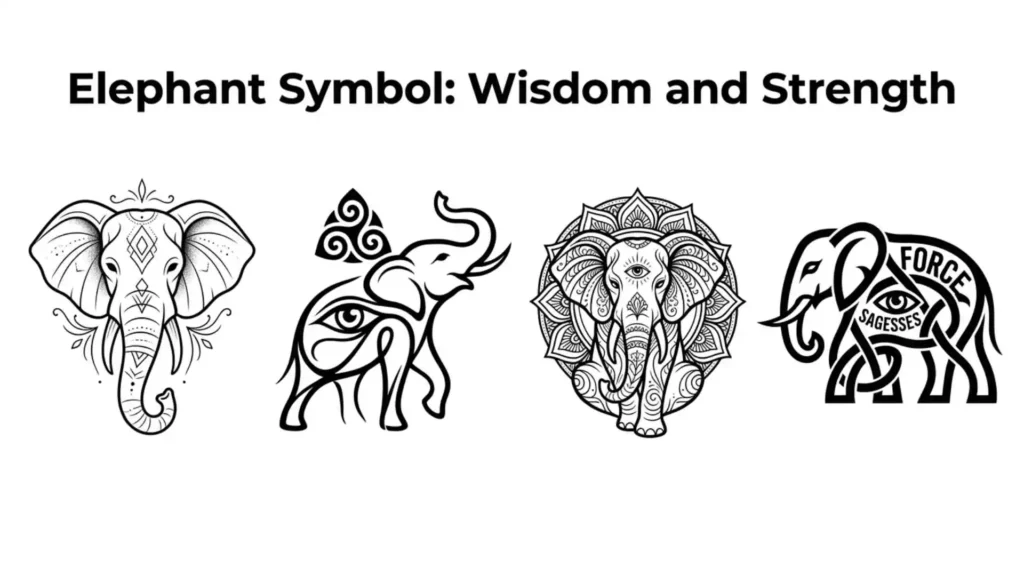
The elephant is a powerful and beloved symbol in Indian culture.
Meaning
It represents:
- Wisdom
- Strength
- Good fortune
Spiritual Significance
Elephants are linked to the deity of new beginnings and obstacle removal. This makes them symbols of success and protection.
Cross-Cultural Meaning
In Africa, elephants symbolize leadership and memory. In Western cultures, they are seen as symbols of strength. The Indian interpretation combines both wisdom and spiritual power.
Why Indian Symbols Still Matter Today
Even in the modern world, Indian symbols are widely used in fashion, tattoos, home decor, and branding. But their meaning goes far beyond trends.
They help people:
- Stay connected to their roots
- Find inner peace
- Express beliefs without words
In a fast-moving world, these symbols act as anchors, reminding us of deeper truths about life and existence.
Frequently Asked Questions About Indian Symbols
1. What are the most popular Indian symbols?
Some of the most recognized include Om, Swastika, Lotus, Trishul, and Yantras.
2. Are Indian symbols religious only?
No, many symbols have cultural, philosophical, and psychological meanings beyond religion.
3. Can anyone use Indian symbols?
Yes, but it is important to understand and respect their meaning before using them.
4. Why are Indian symbols used in meditation?
They help focus the mind, create calmness, and connect with inner awareness.
5. What is the difference between Yantra and Mandala?
Yantras are more structured and spiritual tools, while Mandalas are artistic and often used for meditation.
6. Are Indian symbols similar to symbols in other cultures?
Yes, many cultures share similar ideas like protection, balance, and growth, but express them differently.
7. Do these symbols have scientific benefits?
Some studies suggest that chanting, patterns, and symbols can reduce stress and improve mental clarity.
Conclusion
Indian symbols are far more than ancient drawings or decorative elements. They are powerful carriers of meaning, emotion, and wisdom. Each symbol tells a story about life, balance, and the human journey.
Whether it is the calming sound of Om, the resilience of the lotus, or the strength of the Trishul, these symbols continue to guide and inspire people across the world. By understanding their deeper meaning, you not only appreciate their beauty but also connect with timeless knowledge that still holds value today.

Amelia Scott is a passionate writer and symbolism researcher who explores the hidden meanings behind ancient signs, spiritual icons and cultural symbols. She enjoys uncovering the stories and mysteries connected to symbols from around the world.
She is the author of “Mystic Marks And Secret Meanings” and “Echoes Of Forgotten Symbols”. Her work combines history, spirituality and mythology to help readers better understand the deeper meaning of symbols in everyday life.
Through her writing, Amelia aims to make the world of symbols fascinating, meaningful and easy to explore.