
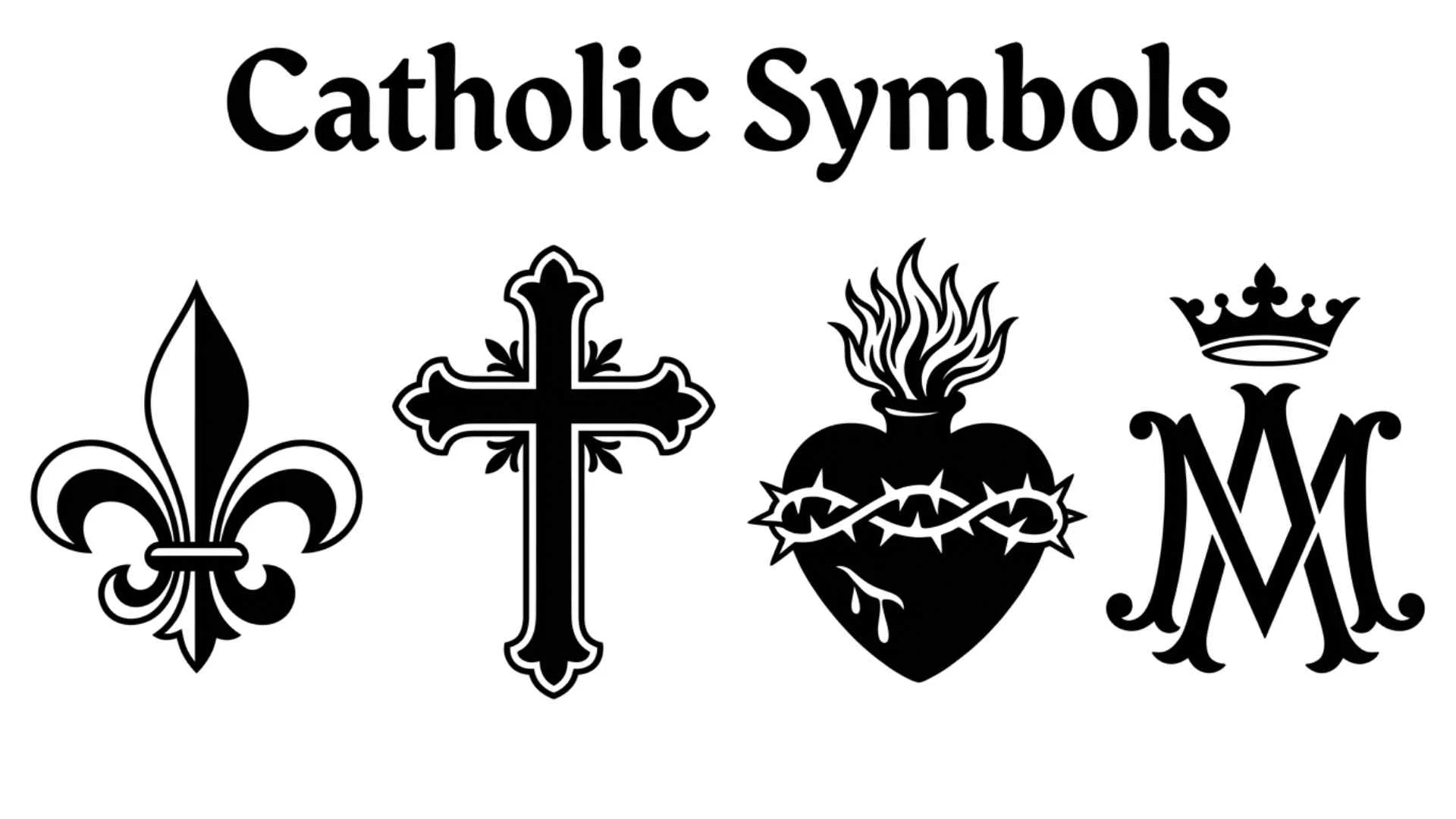
Catholic symbols are far more than decorative images inside churches or on prayer books. They are visual expressions of faith, hope, sacrifice, protection, and divine love. For centuries, these sacred signs have helped believers feel closer to God during moments of fear, joy, grief, and celebration. From the Cross hanging above an altar to the rosary held tightly during prayer, every symbol carries a deep emotional and spiritual meaning.
Many people recognize these symbols but do not fully understand what they represent. Some symbols come from ancient Rome, some from the Bible, and others from traditions passed down through generations of Catholics around the world. In the United States, Europe, Asia, and Africa, Catholic symbols often carry unique cultural interpretations while still sharing the same spiritual foundation.
Understanding Catholic symbols can transform the way a person experiences faith. These symbols are not only religious images. They are reminders of courage, forgiveness, protection, eternal life, and the human connection with the divine.
The Cross: The Most Powerful Catholic Symbol of Sacrifice and Salvation
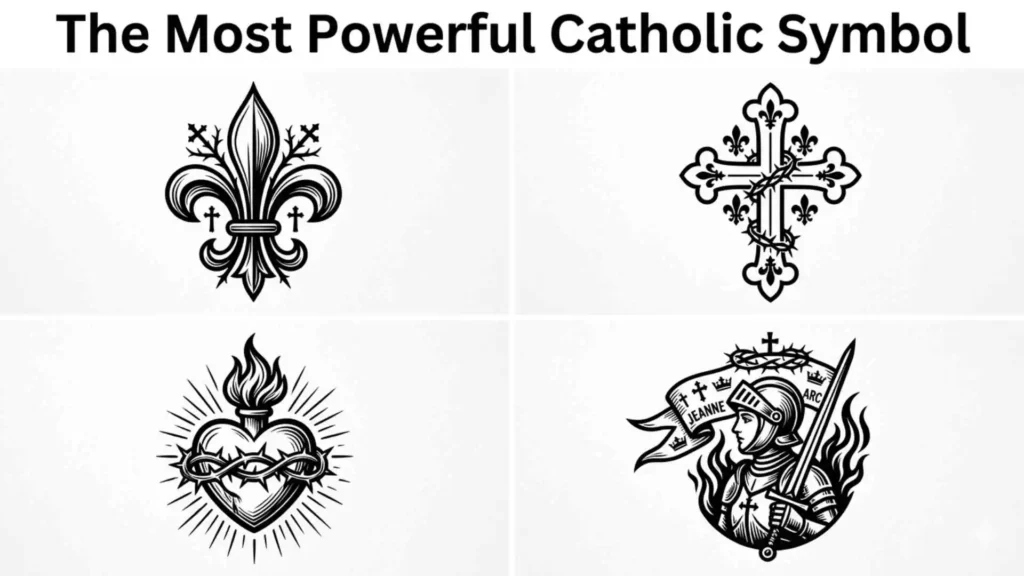
The Cross is the heart of Christianity and the most recognized Catholic symbol in the world. It represents the crucifixion of Jesus Christ and His sacrifice for humanity. For Catholics, the Cross is not simply a historical reminder. It is a symbol of hope, redemption, and unconditional love.
In Catholic churches, the crucifix often includes the body of Jesus on the Cross. This reminds believers of Christ’s suffering and His willingness to give His life for others. Emotionally, the Cross comforts people during difficult times because it symbolizes victory over pain and death.
Psychological Meaning of the Cross
The Cross often gives believers a sense of emotional protection and inner strength. Many Catholics wear a cross necklace because it reminds them that they are never alone during struggles.
Cultural Meaning Around the World
- In Europe, the Cross is strongly connected with tradition, family heritage, and church history.
- In Africa, many Catholic communities combine the Cross with local artistic styles and vibrant spiritual celebrations.
- In Asia, the Cross often symbolizes peace, humility, and spiritual discipline.
- In the United States, it is commonly associated with faith, freedom, and personal identity.
Did You Know?
Early Christians sometimes hid the Cross symbol because Christianity was once illegal in the Roman Empire.
The Rosary: A Symbol of Prayer, Peace, and Spiritual Healing
The Rosary is one of the most beloved Catholic symbols. It consists of prayer beads used to meditate on important events in the lives of Jesus and the Virgin Mary. Catholics believe the Rosary brings peace to the mind and comfort to the soul.
Each bead guides believers through prayer and reflection. During moments of anxiety or sadness, many Catholics hold the Rosary to feel spiritually connected and emotionally calm.
The Meaning Behind the Rosary
The Rosary represents:
- Faith and devotion
- Inner peace
- Protection from evil
- Reflection and meditation
- Connection with Mary
Historical Origin of the Rosary
The Rosary became popular during the Middle Ages when many people could not read. Prayer beads helped believers remember prayers and Biblical stories.
Emotional Importance
For many families, the Rosary is passed down from generation to generation. It often carries emotional memories of grandparents, family prayer nights, and moments of comfort during loss.
The Ichthys Fish Symbol: Secret Sign of Early Christians
The fish symbol, also called the Ichthys, was one of the earliest Christian symbols. During times of persecution, Christians used this symbol secretly to identify one another.
The Greek word “Ichthys” means fish, but each letter also represented a phrase declaring Jesus Christ as the Son of God and Savior.
Why the Fish Became Important
Fish appeared many times in the Bible. Jesus fed thousands with fish and bread, and several disciples were fishermen. Because of this, the fish became associated with faith, abundance, and spiritual nourishment.
Psychological Meaning
The fish symbol often represents trust and survival during hardship. It reminds believers that faith can guide people through uncertain times.
Global Interpretations
- In coastal cultures of Asia and Africa, the fish symbol also connects with life and prosperity.
- In Western countries, it often appears on cars, jewelry, and church signs as a quiet expression of faith.
The Dove: Symbol of the Holy Spirit and Divine Peace
The dove is one of the gentlest and most emotionally comforting Catholic symbols. It represents the Holy Spirit, purity, peace, and God’s presence.
According to the Bible, the Holy Spirit descended like a dove during the baptism of Jesus. Since then, the dove has symbolized spiritual guidance and renewal.
Emotional Meaning of the Dove
The dove often appears during funerals, baptisms, and weddings because it creates feelings of peace and hope. Many people see it as a reminder that God watches over humanity with compassion.
The Dove Across Cultures
- In Europe, doves symbolize peace and innocence.
- In African Christian traditions, they may represent spiritual communication.
- In Asian cultures, white birds often symbolize harmony and purity.
- In America, the dove is linked with peace movements and healing.
Did You Know?
White doves are sometimes released during Catholic ceremonies to symbolize freedom of the soul and divine blessing.
The Sacred Heart: Symbol of Jesus’ Endless Love and Compassion
The Sacred Heart is one of the most emotional Catholic symbols. It shows the heart of Jesus surrounded by flames, light, and often a crown of thorns. This image represents Christ’s deep love for humanity despite suffering and rejection.
What the Sacred Heart Represents
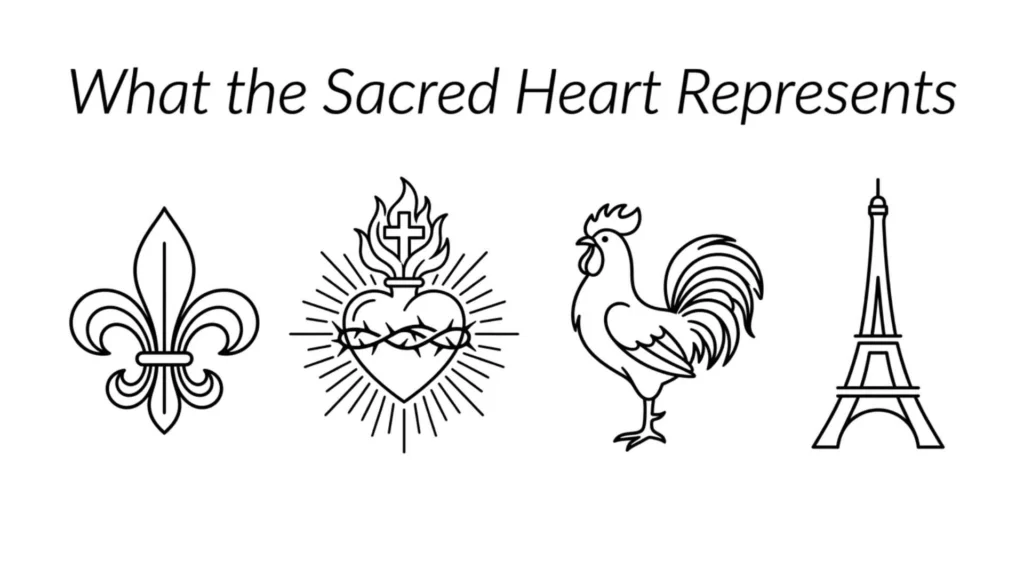
The Sacred Heart symbolizes:
- Divine love
- Mercy and forgiveness
- Emotional healing
- Compassion for human suffering
- Spiritual devotion
Catholics often place Sacred Heart images in their homes because they believe it brings blessings and protection.
Psychological and Emotional Meaning
The image of the heart creates a powerful emotional response. It reminds believers that love can survive pain and sacrifice. Many people pray to the Sacred Heart during emotional struggles because it symbolizes understanding and comfort.
History of the Sacred Heart Devotion
Devotion to the Sacred Heart became especially popular in France during the 17th century after visions reported by Saint Margaret Mary Alacoque.
The Lamb of God: Symbol of Innocence and Redemption
The Lamb of God is another deeply meaningful Catholic symbol. It refers to Jesus Christ as the sacrificial lamb who takes away the sins of the world.
This symbol comes from both Jewish and Christian traditions. In ancient times, lambs were offered as sacrifices during religious ceremonies. Christians later connected this image with Jesus’ sacrifice.
Symbolic Meaning of the Lamb
The lamb represents:
- Innocence
- Purity
- Obedience
- Sacrifice
- Salvation
Emotional Significance
The image of a gentle lamb creates feelings of tenderness and trust. It reminds believers that true strength can exist alongside kindness and humility.
Artistic Representation Around the World
In Europe, the Lamb of God often appears in Renaissance paintings. In African and Asian churches, local artistic styles sometimes portray the lamb using regional patterns and colors.
The Alpha and Omega: Symbol of Eternity and God’s Power
The Alpha and Omega are the first and last letters of the Greek alphabet. In Catholic symbolism, they represent God as the beginning and the end of all things.
This symbol comes directly from the Book of Revelation in the Bible, where God declares eternal authority over creation.
Spiritual Meaning
The Alpha and Omega symbolize:
- Eternity
- Divine wisdom
- Infinite power
- Completion
- The cycle of life and death
Psychological Interpretation
For many believers, this symbol provides comfort during uncertain times. It reminds them that life has purpose even when events feel chaotic or painful.
Modern Use
Today, the Alpha and Omega appear in churches, jewelry, artwork, and gravestones as reminders of eternal life.
The Chi Rho: Ancient Symbol of Christ’s Victory
The Chi Rho is one of the oldest Christian symbols. It combines the first two Greek letters of the word “Christ.”
Roman Emperor Constantine famously used this symbol before a major battle after reportedly seeing it in a vision connected with divine protection.
Meaning of the Chi Rho
The symbol represents:
- Victory of faith
- Divine guidance
- Courage
- Christ’s authority
Historical Importance
The Chi Rho became a public Christian symbol after Christianity was legalized in the Roman Empire. It marked a major turning point in Christian history.
Emotional Connection
For many Catholics, the Chi Rho symbolizes perseverance through fear and darkness. It reminds believers that faith can overcome adversity.
Why Catholic Symbols Matter in Modern Life
In today’s fast moving digital world, Catholic symbols continue to hold emotional and spiritual power. People still wear crosses, pray with rosaries, and display sacred images in homes because these symbols offer comfort and identity.
Catholic symbols also create a sense of belonging. They connect believers across countries, languages, and generations. Whether someone enters a church in Rome, Nigeria, the Philippines, or the United States, many of the same sacred symbols appear and carry familiar meanings.
These symbols also help people express emotions that words sometimes cannot explain. During grief, fear, gratitude, or hope, sacred images become visual prayers.
Hidden Meanings Behind Catholic Colors and Shapes
Many Catholic symbols include colors and shapes that carry spiritual messages.
Red
Represents sacrifice, love, and the blood of Christ.
White
Symbolizes purity, holiness, and resurrection.
Gold
Represents divine glory and heavenly light.
Circle
Often symbolizes eternity because it has no beginning or end.
Triangle
Represents the Holy Trinity which includes the Father, Son, and Holy Spirit.
These hidden details make Catholic symbolism rich with layers of meaning that many people overlook.
Frequently Asked Questions About Catholic Symbols
What is the most important Catholic symbol?
The Cross is considered the most important Catholic symbol because it represents Jesus Christ’s sacrifice and resurrection.
Why do Catholics use symbols?
Catholics use symbols to express spiritual beliefs, remember Biblical teachings, and feel emotionally connected to God and the Church.
What does the rosary symbolize?
The Rosary symbolizes prayer, meditation, peace, and devotion to the Virgin Mary.
Is the fish symbol only Catholic?
No. The fish symbol is used by many Christian groups, but it has strong historical roots in early Christianity and Catholic tradition.
What does the Sacred Heart mean?
The Sacred Heart represents the deep love, mercy, and compassion of Jesus Christ for humanity.
Why is the dove important in Catholicism?
The dove symbolizes the Holy Spirit, peace, purity, and divine guidance.
What does Alpha and Omega represent?
Alpha and Omega symbolize God’s eternal nature as the beginning and end of all existence.
Conclusion
Catholic symbols are far more than religious decorations. They are living expressions of faith, history, emotion, and spiritual identity. Each symbol tells a story of sacrifice, love, courage, forgiveness, and hope. From the powerful Cross to the peaceful dove, these sacred signs continue to guide millions of believers around the world.
Understanding the meaning of Catholic symbols allows people to connect more deeply with Christian traditions and with their own emotions. These symbols speak to the human heart in ways words often cannot. They remind believers that faith is not only something to think about but also something to feel, experience, and carry through everyday life.
Even after centuries, Catholic symbols remain timeless because they reflect universal human desires for peace, protection, love, and eternal meaning.

Amelia Scott is a passionate writer and symbolism researcher who explores the hidden meanings behind ancient signs, spiritual icons and cultural symbols. She enjoys uncovering the stories and mysteries connected to symbols from around the world.
She is the author of “Mystic Marks And Secret Meanings” and “Echoes Of Forgotten Symbols”. Her work combines history, spirituality and mythology to help readers better understand the deeper meaning of symbols in everyday life.
Through her writing, Amelia aims to make the world of symbols fascinating, meaningful and easy to explore.