
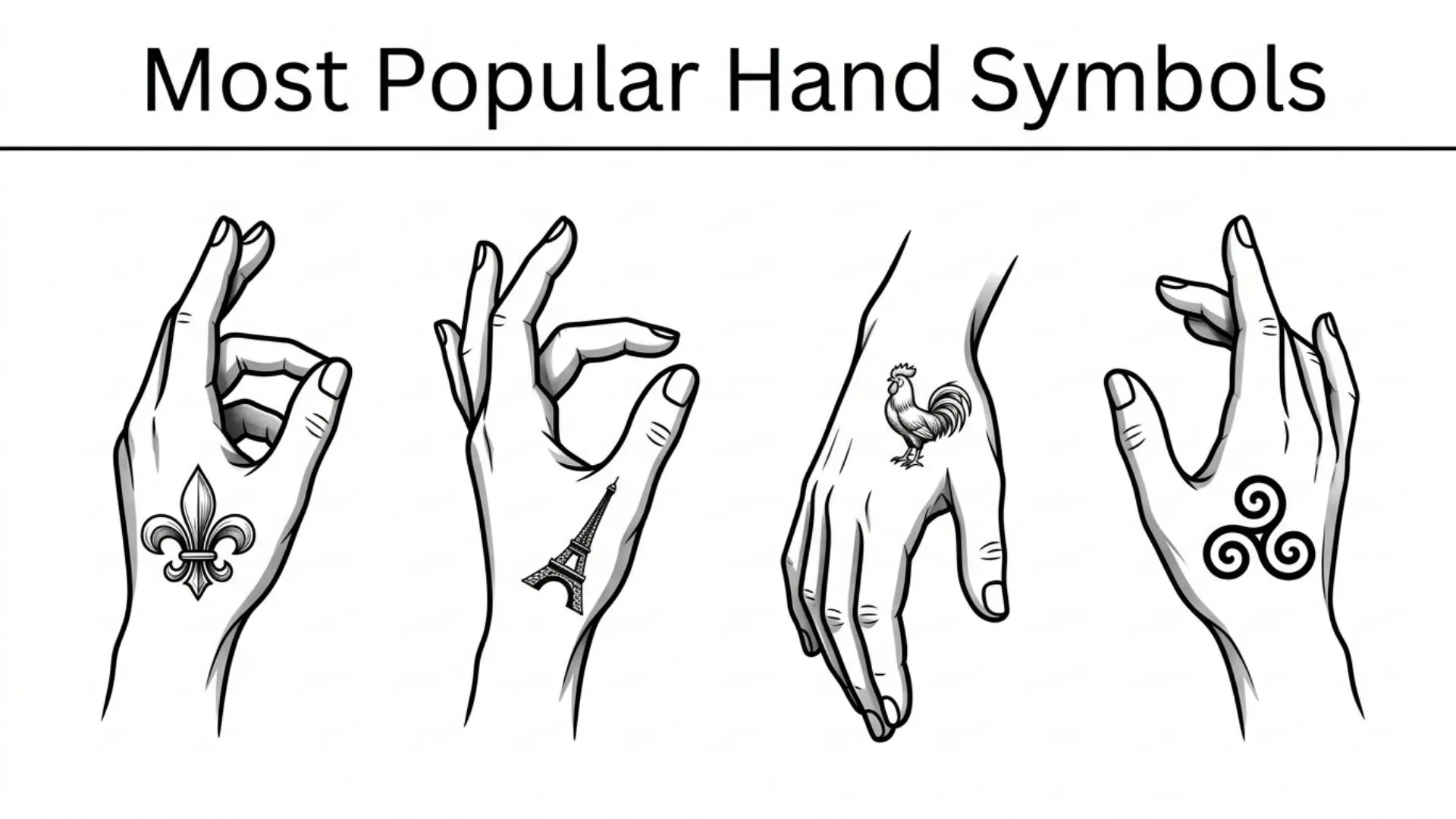
Have you ever noticed how a simple hand movement can speak louder than words? Hand symbols are deeply woven into human communication, emotions, religion, spirituality, and culture. From a friendly thumbs up to the mysterious evil eye gesture, these symbols carry stories, beliefs, and powerful meanings that connect people across generations.
Since ancient civilizations, humans have used hand signs to express protection, love, authority, peace, and even warning. Some gestures bring luck in one country while causing offense in another. That is what makes hand symbols so fascinating. They are silent messages filled with emotion, psychology, and cultural identity.
In today’s digital world, hand symbols are more popular than ever through emojis, social media, tattoos, and spiritual practices. People use them daily without fully understanding their origin or deeper symbolism.
This guide explores the meaning of hand symbols, their emotional significance, cultural interpretations, historical roots, and how these gestures continue shaping human interaction around the world.
Hand symbols and meanings
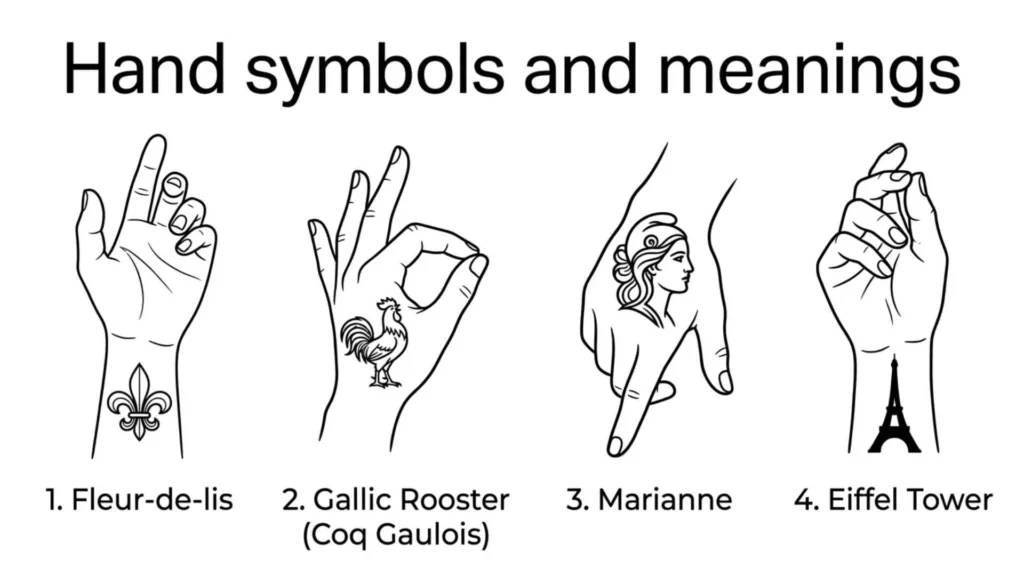
Hand symbols are non-verbal forms of communication used across cultures to express emotions, intentions, and messages. From simple gestures like waving to complex signs like peace or stop, each hand symbol carries a specific meaning. For example, an open palm can indicate honesty or greeting, while a closed fist may represent strength or resistance. Understanding these symbols helps in better communication without words.
Hand gestures meaning with pictures
Hand gestures vary across cultures, and their meanings can change depending on context. For instance, a thumbs-up generally shows approval, while a pointing finger can indicate direction or attention. In modern communication, these gestures are often shown with visual references or pictures to make their interpretation easier. Learning them helps in both social interaction and digital communication.
Hand symbols emoji
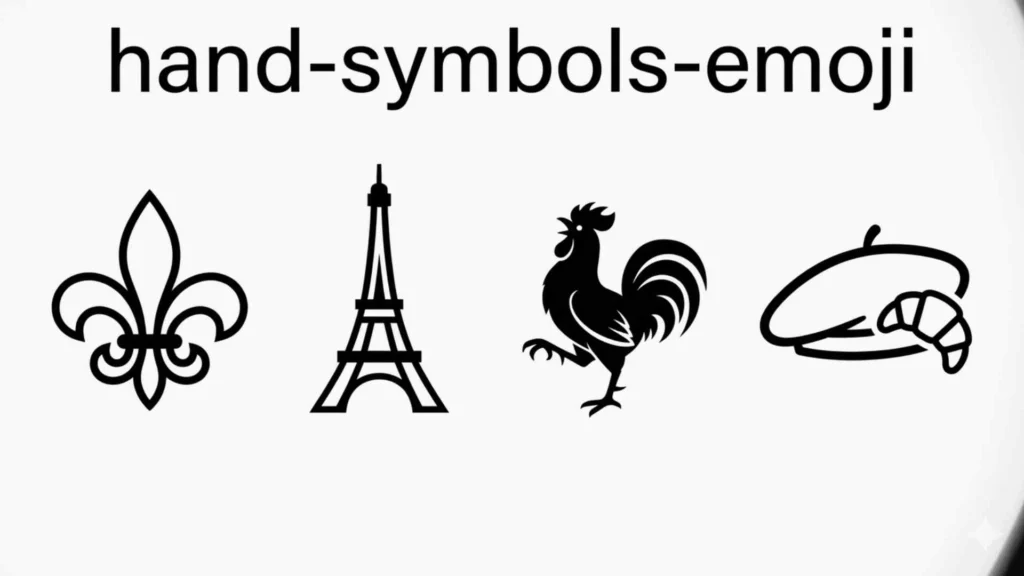
Hand emojis are widely used in digital conversations to express emotions quickly. Emojis like 👍 (thumbs up), 👋 (wave), ✌️ (victory), and 🤝 (handshake) represent approval, greeting, peace, and agreement respectively. These symbols have become a universal language in texting and social media, helping people communicate feelings without writing long sentences.
Hand symbols spiritual
In spirituality, hand symbols are believed to carry energy and deeper meaning. Many traditions use mudras (hand positions) in yoga and meditation to balance energy and improve focus. For example, the Gyan Mudra is associated with wisdom and knowledge, while the Anjali Mudra represents respect and gratitude. These spiritual hand signs are often used for healing and inner peace.
Bad hand gestures meaning with pictures
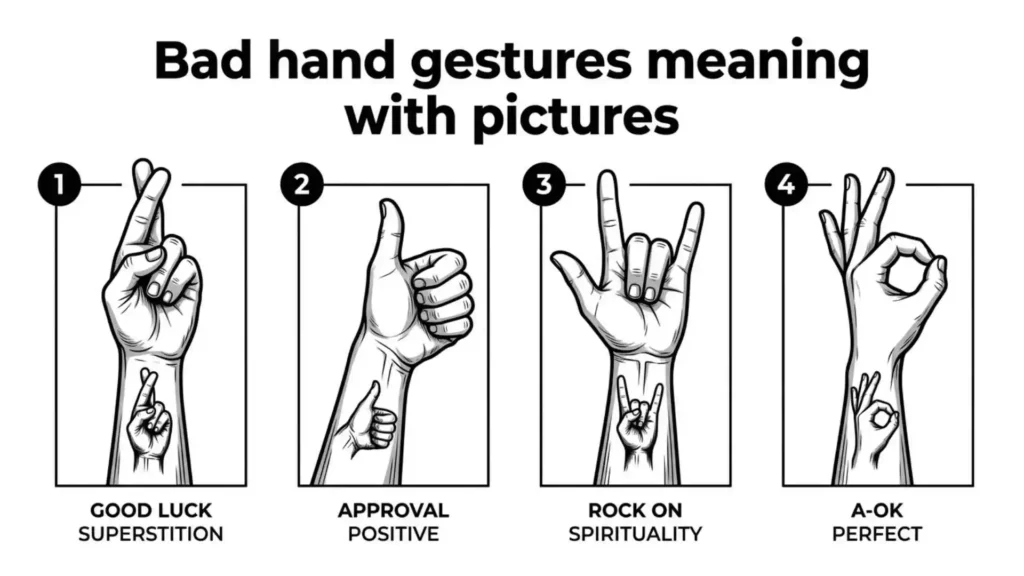
Some hand gestures are considered offensive or disrespectful in certain cultures. For example, the middle finger gesture is widely seen as rude in many Western countries. Similarly, some signs that appear normal in one region may have negative meanings in another. It is important to understand cultural differences to avoid miscommunication or unintended offense.
2 hand gestures meaning with pictures
Two-hand gestures are often used to express stronger emotions or clearer meanings. For example, raising both hands can indicate celebration or surrender, while clasped hands often show prayer or gratitude. These gestures are powerful in storytelling, religious practices, and everyday communication as they add emphasis to emotions.
Hand gestures and their meanings list
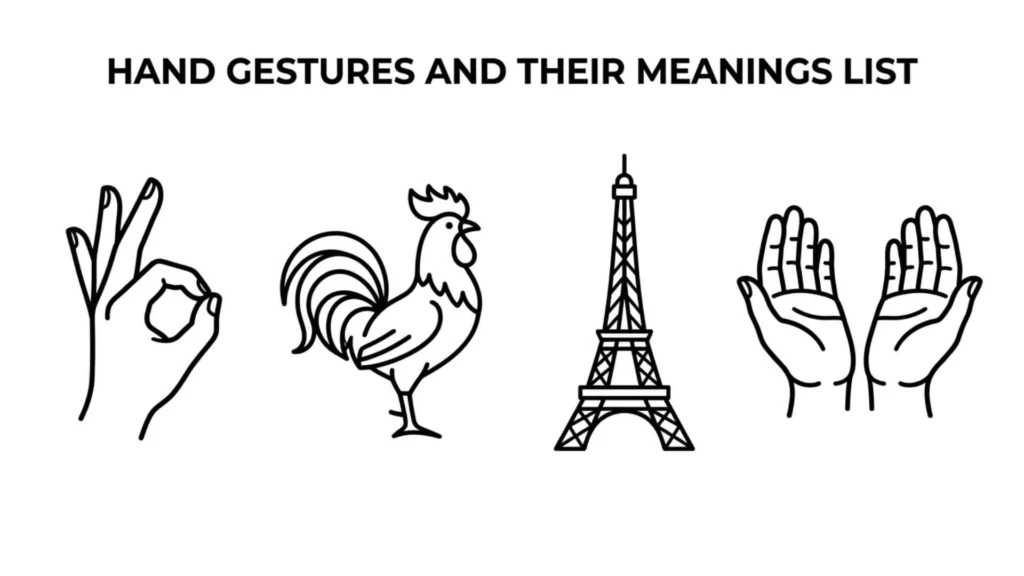
Here is a simple list of common hand gestures and their meanings:
- 👍 Thumbs up: Approval or agreement
- 👎 Thumbs down: Disapproval
- 👋 Wave: Greeting or goodbye
- ✌️ Peace sign: Peace or victory
- 🤞 Crossed fingers: Hope or luck
- 🤝 Handshake: Agreement or partnership
- 👌 OK sign: Everything is fine
Understanding this list helps in improving both personal and professional communication.
Female hand gestures meaning
Female hand gestures are often interpreted in social and cultural contexts. These gestures can reflect confidence, politeness, emotion, or communication style. For example, gently placing hands together may show respect, while expressive hand movements during speech can indicate enthusiasm or confidence. However, meanings can vary widely based on culture and situation.
Why Hand Symbols Matter in Human Communication
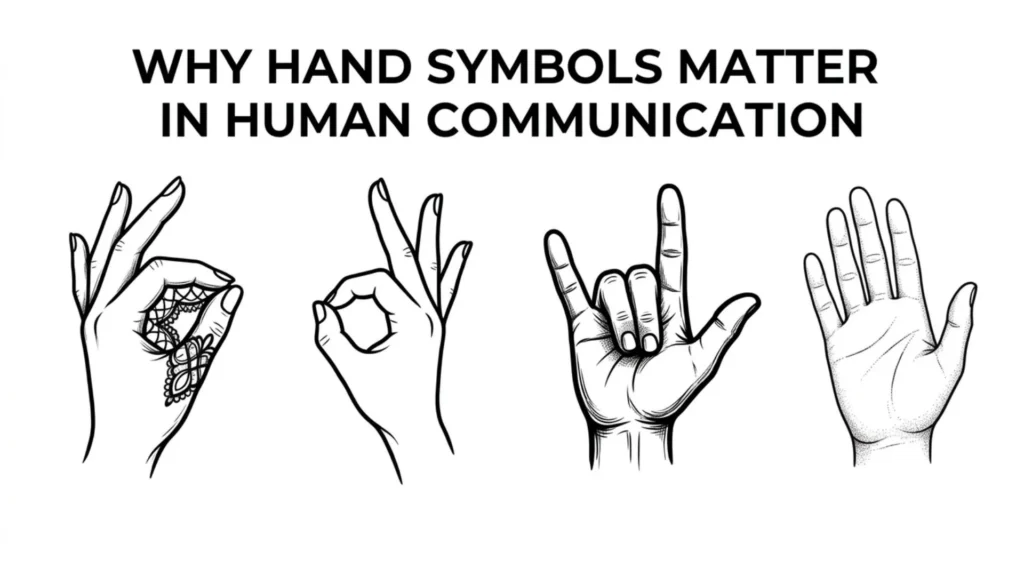
Hand symbols are one of the oldest forms of nonverbal communication. Long before written language existed, people used gestures to express emotions, signal danger, show respect, or create spiritual connections.
Psychologists believe hand gestures strengthen emotional understanding because humans naturally respond to body language faster than spoken words. A raised hand can symbolize protection, while open palms often represent honesty and peace.
Did you know? Studies in behavioral psychology show that people trust open hand gestures more than closed body language because they subconsciously associate open hands with safety and truth.
Hand symbols also influence modern branding, politics, religion, and social movements. Think about how instantly recognizable the peace sign or raised fist has become around the world.
The Most Popular Hand Symbols and Their Meanings
Thumbs Up Symbol
The thumbs up is one of the most recognized hand symbols globally. In many Western cultures, especially in the USA and Europe, it means approval, success, confidence, or agreement.
Historically, people connect this gesture to ancient Roman arenas where crowds supposedly used thumb gestures to decide a gladiator’s fate. Though historians debate the exact meaning, the symbol evolved into a positive sign over time.
Psychological Meaning:
The thumbs up creates feelings of encouragement, validation, and social acceptance.
Cultural Differences:
In some Middle Eastern and Asian regions, this symbol can be offensive if used casually. This shows how hand symbol meanings can change dramatically across cultures.
Peace Sign
The peace sign made with two raised fingers became globally famous during anti war movements in the 1960s.
Today, it symbolizes:
- Peace
- Freedom
- Unity
- Positivity
- Youth culture
In Japan and South Korea, people often use the peace sign while taking photos because it represents friendliness and happiness.
Emotional Symbolism:
The gesture creates a relaxed and approachable feeling. It often represents optimism and emotional openness.
Raised Fist Symbol
The raised fist has long symbolized resistance, strength, solidarity, and empowerment.
This hand symbol appears in:
- Civil rights movements
- Labor movements
- Anti oppression protests
- Feminist activism
Across Africa, Europe, and the USA, the raised fist often represents collective power and courage.
Psychological Meaning:
It reflects determination, emotional resilience, and unity during difficult times.
Open Palm Symbol
An open palm is universally associated with peace, honesty, blessing, and protection.
Religious traditions across Christianity, Buddhism, Hinduism, and Islam use open hand imagery in spiritual art and sacred rituals.
The open palm also appears in the Hamsa symbol, believed to protect against negative energy and the evil eye.
Did you know? Ancient cave paintings show open handprints dating back thousands of years, proving humans have used hand symbols since prehistoric times.
Finger Heart Symbol
Popularized through Korean pop culture, the finger heart symbol represents love, affection, and emotional warmth.
This tiny gesture became globally viral thanks to K pop stars and social media influencers.
Psychological Meaning:
It creates feelings of intimacy, kindness, and emotional closeness.
In modern digital culture, it has become a symbol of positive emotional connection.
Spiritual and Religious Hand Symbols Around the World
The Hamsa Hand
The Hamsa is one of the most powerful spiritual hand symbols in Middle Eastern, North African, and Mediterranean cultures.
It usually appears as an open hand with an eye in the center.
Meaning of the Hamsa:
- Protection from evil
- Spiritual defense
- Good fortune
- Divine blessings
In Islamic culture, it is sometimes called the Hand of Fatima. In Jewish tradition, it is known as the Hand of Miriam.
Emotional Representation:
People often wear Hamsa jewelry to feel spiritually protected and emotionally secure.
Buddhist Mudras
In Buddhism and Hinduism, specific hand gestures called mudras carry spiritual meaning during meditation and prayer.
Some famous mudras include:
Abhaya Mudra
An open raised palm symbolizing fearlessness and peace.
Dhyana Mudra
Hands resting together representing deep meditation and inner balance.
Vitarka Mudra
A teaching gesture connected with wisdom and intellectual discussion.
These sacred hand symbols are believed to channel energy and influence emotional states.
The Prayer Hands Symbol
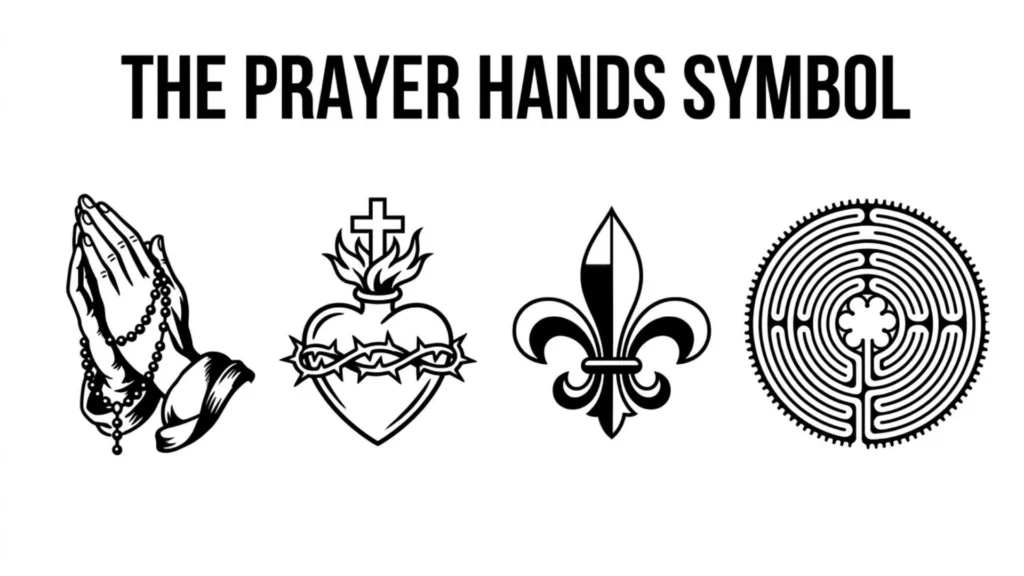
Prayer hands symbolize faith, humility, hope, and surrender.
Across Christianity, Hinduism, Buddhism, and many spiritual traditions, folded hands represent respect toward divine power.
In Asia, similar gestures are also used as greetings and expressions of gratitude.
Psychological Meaning:
This gesture often creates emotional calmness and spiritual focus.
Hidden Psychological Meaning Behind Hand Symbols
Human brains respond strongly to gestures because body language activates emotional interpretation faster than spoken language.
Hand symbols often represent unconscious emotional needs such as:
- Safety
- Trust
- Love
- Power
- Belonging
- Spiritual connection
For example:
- Open hands suggest honesty and openness
- Pointing fingers may create feelings of aggression
- Closed fists symbolize emotional intensity
- Gentle gestures create emotional comfort
Behavior experts say hand symbols can influence social perception within seconds. That is why politicians, leaders, and public speakers carefully use gestures during communication.
Did you know? Researchers found that people remember messages better when speakers use expressive hand movements.
Hand Symbols in Different Cultures
Hand Symbols in the USA
American culture often uses expressive hand gestures in communication.
Common meanings include:
- Thumbs up for approval
- Peace sign for positivity
- Handshake for trust
- Raised hand for participation
In modern American culture, hand symbols also dominate social media emojis and internet communication.
Hand Symbols in Asia
Asian cultures often connect hand gestures with respect, harmony, and social etiquette.
Examples include:
- Bowing with folded hands in Thailand
- Finger heart symbols in Korea
- Prayer gestures in India
- Peace signs in Japanese photography culture
Certain gestures considered normal in Western countries may be disrespectful in parts of Asia.
Hand Symbols in Africa
African hand symbols often carry deep community and spiritual meanings.
Raised hands may symbolize:
- Celebration
- Ancestral connection
- Unity
- Ritual communication
Traditional African art frequently includes symbolic hand imagery connected with protection and storytelling.
Hand Symbols in Europe
European cultures use many familiar hand gestures but meanings vary by region.
For example:
- The OK hand sign is positive in some countries
- The same gesture may be offensive elsewhere
Mediterranean cultures also use expressive hand communication more intensely during everyday conversation.
The Role of Hand Symbols in Modern Digital Culture
Today, hand symbols have become part of internet language through emojis and social media.
Popular hand emojis include:
- Thumbs up 👍
- Folded hands 🙏
- Peace sign ✌️
- Clapping hands 👏
- Raised fist ✊
These symbols help people express emotion quickly in text conversations.
Why People Love Hand Emojis:
- They create emotional tone
- They reduce misunderstandings
- They make conversations feel human
- They strengthen digital relationships
Social media platforms transformed ancient gestures into universal visual communication tools.
Did you know? The folded hands emoji is interpreted differently around the world. Some see it as prayer while others view it as gratitude or a high five.
Hand Symbols in Art, Tattoos, and Fashion
Hand symbols are widely used in tattoos, jewelry, paintings, and fashion design because they carry emotional and spiritual depth.
Popular Hand Symbol Tattoos
Hamsa Tattoo
Represents protection and positive energy.
Peace Sign Tattoo
Symbolizes freedom and harmony.
Praying Hands Tattoo
Represents faith, remembrance, or spiritual devotion.
Skeleton Hand Tattoo
Often symbolizes mortality, transformation, or rebellion.
People choose these designs because they communicate personal identity without words.
Hand Symbols in Fashion
Fashion brands often include symbolic hand imagery to express:
- Rebellion
- Spirituality
- Youth culture
- Empowerment
Streetwear culture especially embraces expressive hand symbols through graphic designs and accessories.
Ancient Origins of Hand Symbols
Hand symbols existed long before modern civilization.
Archaeologists discovered prehistoric cave art featuring handprints in regions across Europe, Africa, South America, and Asia.
Ancient Egyptians used symbolic hand positions in religious artwork. Greek and Roman sculptures also displayed meaningful gestures representing power, wisdom, or divine authority.
In medieval times, kings and religious leaders used hand gestures during ceremonies to symbolize blessing, loyalty, and leadership.
These historical roots explain why hand symbols still feel emotionally powerful today.
Did you know? Some of the oldest known handprints are more than 40,000 years old.
Common Misunderstandings About Hand Symbols
One important fact about hand symbols is that meanings are not universal.
A gesture that seems friendly in one culture may appear rude somewhere else.
Examples:
- The thumbs up can be offensive in some countries
- Pointing with one finger is disrespectful in parts of Asia
- The OK sign has different interpretations worldwide
This is why cultural awareness matters during travel and international communication.
Understanding hand symbols helps people avoid misunderstandings and communicate more respectfully.
How Hand Symbols Influence Human Emotions
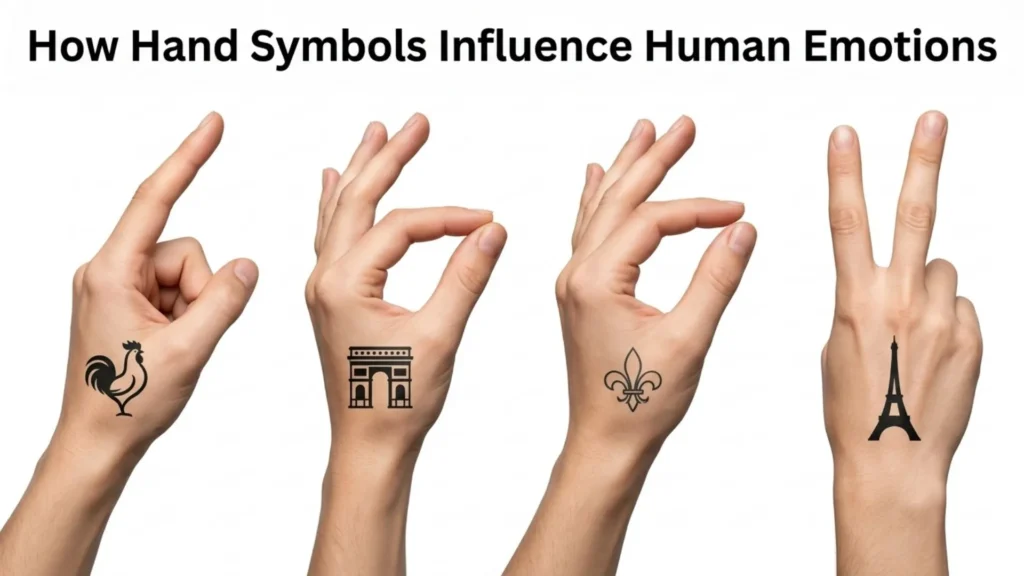
Hand gestures deeply affect emotional interaction because humans instinctively react to visual signals.
Positive gestures often create:
- Comfort
- Trust
- Happiness
- Connection
Negative gestures may trigger:
- Anxiety
- Anger
- Fear
- Discomfort
Therapists, teachers, performers, and leaders intentionally use hand gestures to influence emotional response and build stronger communication.
Even children learn symbolic gestures before mastering language, proving how deeply hand symbols are connected to human psychology.
FAQs About Hand Symbols
What are hand symbols called?
Hand symbols are commonly called gestures, signs, mudras, or symbolic hand movements depending on cultural and spiritual context.
Why are hand symbols important?
They help humans communicate emotions, beliefs, intentions, and social messages without speaking.
What does the open hand symbolize?
An open hand usually represents honesty, peace, blessing, protection, and openness.
Which hand symbol means protection?
The Hamsa hand is one of the most recognized symbols of spiritual protection and defense against negative energy.
Why do cultures interpret hand symbols differently?
Cultural traditions, religion, history, and social customs shape how people understand gestures.
What is the psychological meaning of hand gestures?
Hand gestures often reflect emotions such as confidence, fear, love, trust, or power.
Are hand emojis universal?
Not always. Different cultures may interpret the same emoji differently based on local traditions and communication styles.
Conclusion
Hand symbols are far more than simple gestures. They are emotional languages shaped by history, spirituality, psychology, and culture. From ancient cave paintings to modern emojis, these silent signs continue connecting people across the world in deeply human ways.
Every hand symbol carries meaning beyond movement. Some express love, others protection, peace, courage, or spiritual faith. Understanding these symbols helps us communicate more thoughtfully and appreciate cultural diversity on a deeper level.
As digital communication grows, hand symbols remain powerful because they instantly express feelings words sometimes cannot capture. Whether seen in religion, art, tattoos, social media, or daily life, these timeless gestures continue shaping human connection across generations.
The next time you notice a simple hand gesture, you may discover an entire story hidden behind it.

Nicholas Allen is a passionate writer and symbolism researcher who explores the hidden meanings behind ancient signs, spiritual icons and cultural symbols from around the world. His work focuses on making complex symbolism easy to understand for modern readers.
He is the author of “Mystic Signs and Their Hidden Meanings”. Through his writing, Nicholas helps readers discover the stories, beliefs and mysteries connected to symbols across history and different cultures.