
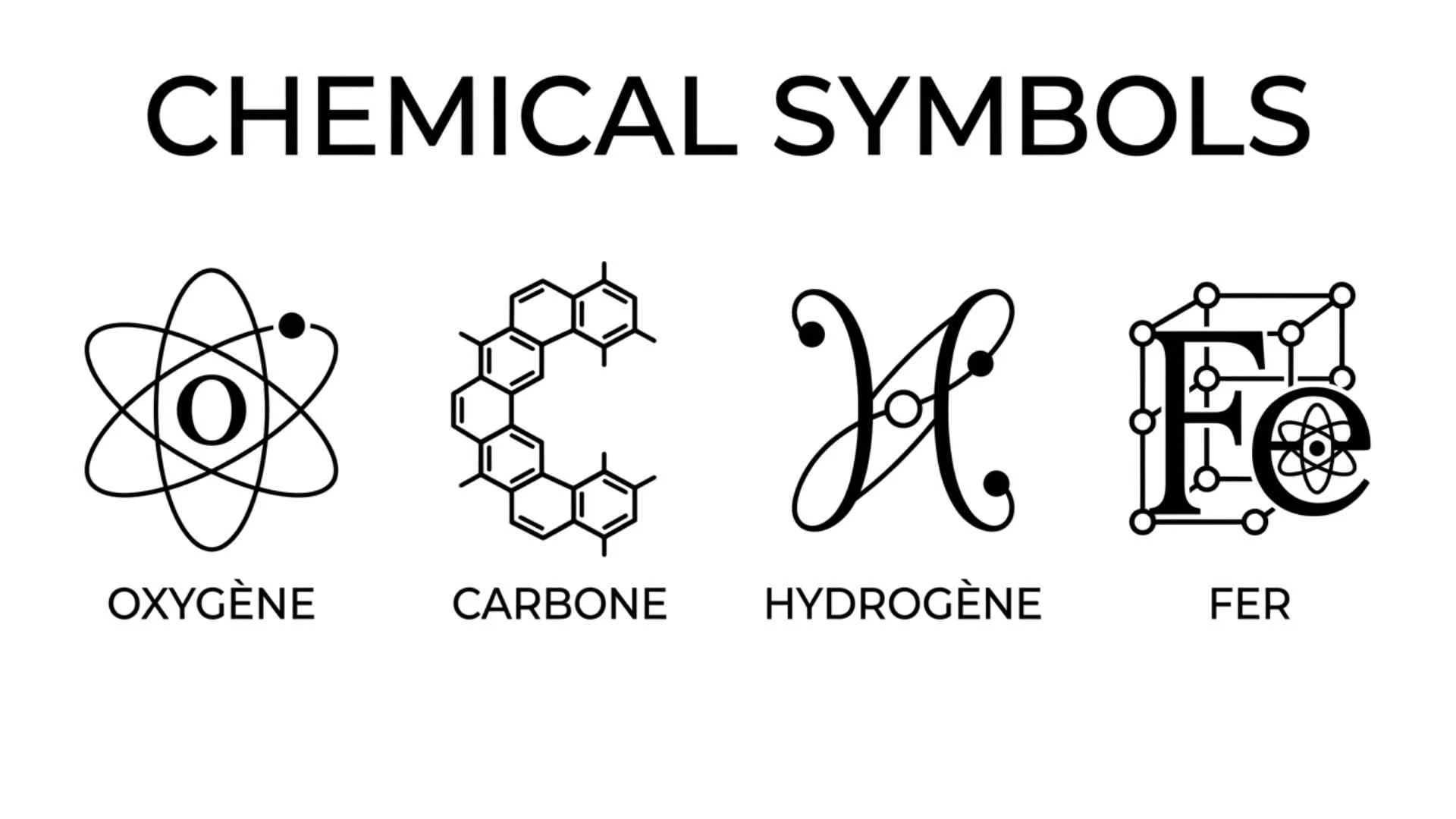
Chemical symbols are far more than short scientific abbreviations. They are tiny marks that carry the story of human discovery, ancient languages, emotional curiosity, and the invisible building blocks of life itself. From the oxygen we breathe to the gold worn in wedding rings, chemical symbols quietly surround us every day. Yet most people never stop to think about the deeper meaning behind these symbols and how they changed the world forever.
Imagine trying to describe every element with its full scientific name every single time. Science would become slow, confusing, and nearly impossible to understand across countries and cultures. Chemical symbols created a universal language that united scientists from America, Europe, Asia, and Africa into one global scientific community. These symbols are simple, but their impact is enormous.
Whether you are a student, science lover, teacher, or simply curious about the meaning of symbols, this guide will help you understand chemical symbols in the easiest and most engaging way possible.
What Are Chemical Symbols and Why Are They Important?
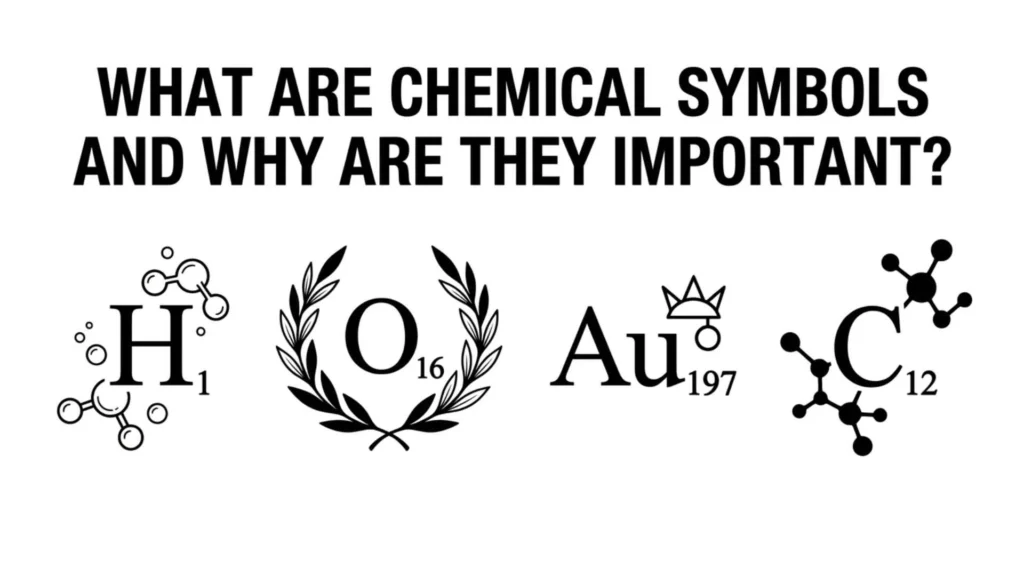
Chemical symbols are short letter representations used to identify chemical elements. Each element on the periodic table has its own unique symbol. For example:
- H stands for Hydrogen
- O stands for Oxygen
- Na stands for Sodium
- Fe stands for Iron
- Au stands for Gold
Most symbols use one or two letters. The first letter is always capitalized, while the second letter is lowercase if present.
These symbols are important because they create a universal scientific language. A scientist in Pakistan, Japan, Germany, or the United States can instantly understand the same chemical formula without translation.
Emotional Meaning Behind Chemical Symbols
Chemical symbols also represent human progress and curiosity. They symbolize our desire to understand nature, explore the universe, and improve life through science.
For many students, chemical symbols may first feel confusing or difficult. But over time, they become symbols of learning, achievement, and intellectual growth. Scientists often see them as the alphabet of the universe.
Did You Know?
The symbol for gold, Au, comes from the Latin word “Aurum,” meaning shining dawn.
The Fascinating History of Chemical Symbols
Long before modern chemistry existed, ancient civilizations used symbols to describe natural substances and mysterious materials. Egyptian alchemists, Greek philosophers, Chinese healers, and Islamic scholars all developed early symbolic systems for metals and compounds.
Ancient Alchemy and Secret Symbols
In ancient Europe and the Middle East, alchemists believed metals carried spiritual meanings. They connected elements to planets and cosmic powers.
Examples included:
- Gold linked to the Sun
- Silver linked to the Moon
- Iron linked to Mars
These symbols were not just scientific. They represented wealth, power, immortality, and spiritual transformation.
The Birth of Modern Chemical Symbols
The modern system began with Swedish chemist Jöns Jacob Berzelius in the early 1800s. He introduced the idea of using one or two letters from Latin names to represent elements.
This revolutionary system made chemistry easier to study and share worldwide.
For example:
| Element | Symbol | Latin Origin |
| Sodium | Na | Natrium |
| Potassium | K | Kalium |
| Iron | Fe | Ferrum |
| Copper | Cu | Cuprum |
This system remains the global standard today.
Understanding the Meaning Behind Popular Chemical Symbols
Every chemical symbol tells a story. Some reveal ancient languages, while others connect to mythology, geography, or human history.
H for Hydrogen
Hydrogen is the lightest element in the universe. Its name means “water former.”
Psychologically, hydrogen symbolizes beginnings, simplicity, and life itself because stars and water both depend on it.
O for Oxygen
Oxygen represents life, energy, and survival. Humans emotionally connect oxygen with breathing, freedom, and vitality.
Across cultures:
- In Western countries, oxygen symbolizes health and clean living
- In Asian traditions, breath is often connected with spiritual energy
- African healing traditions also associate air with life force and balance
Fe for Iron
Iron symbolizes strength, resilience, and protection. Ancient warriors trusted iron weapons and armor for survival.
Emotionally, iron represents endurance and inner power.
Au for Gold
Gold has always symbolized luxury, success, purity, and immortality.
In Europe and America, gold often represents wealth and achievement.
In Asian cultures, gold symbolizes prosperity and blessings.
In African traditions, gold can represent royal authority and spiritual prestige.
Hg for Mercury
Mercury is unique because it remains liquid at room temperature.
Its symbol comes from the Roman messenger god Mercury, known for speed and movement. Emotionally, mercury symbolizes adaptability, intelligence, and unpredictability.
Why Chemical Symbols Matter in Everyday Life
Many people think chemical symbols only belong in laboratories or classrooms. In reality, they are deeply connected to daily life.
In Medicine
Doctors and pharmacists use chemical symbols constantly:
- Na for sodium in IV fluids
- K for potassium in heart treatments
- Ca for calcium in bone health
Without these symbols, modern healthcare would become chaotic.
In Technology
Your smartphone, laptop, and television all contain chemical elements:
- Li for lithium batteries
- Si for silicon chips
- Cu for copper wiring
Chemical symbols are hidden inside nearly every modern invention.
In Food and Nutrition
Nutrition labels use chemical abbreviations:
- Fe for iron
- Zn for zinc
- Mg for magnesium
These elements help the human body function properly.
In Environmental Science
Chemical symbols help scientists monitor pollution, climate change, and water quality.
For example:
- CO₂ represents carbon dioxide
- O₃ represents ozone
- H₂O represents water
These symbols influence global discussions about the future of Earth.
The Psychological Power of Symbols in Human Culture
Humans naturally connect emotionally with symbols. A small mark can trigger strong feelings, memories, and beliefs.
Chemical symbols are powerful because they combine mystery, intelligence, and discovery.
Why Symbols Feel Meaningful
Psychologists explain that symbols help the brain simplify complex ideas. Instead of remembering long scientific names, the mind quickly recognizes short visual patterns.
For example:
- Au instantly reminds people of gold
- O connects to breathing and life
- C often represents carbon and nature
Chemical Symbols and Identity
Science students often feel proud once they master chemical symbols. Learning them creates confidence and a sense of belonging in education.
Scientists worldwide share these symbols like a universal identity system.
The Emotional Side of Scientific Language
Even though chemistry seems logical, chemical symbols still carry emotional weight:
- Gold symbolizes ambition
- Oxygen symbolizes life
- Carbon symbolizes existence
- Uranium symbolizes danger and power
This emotional layer makes chemistry more human than many people realize.
Chemical Symbols Across Different Cultures
Chemical symbols are universal, but different cultures emotionally interpret elements in unique ways.
United States and Europe
Western cultures often associate elements with industry, innovation, and scientific progress.
Examples:
- Silicon represents technology
- Gold represents financial success
- Uranium symbolizes military power
Asian Cultures
In China, Japan, and India, elements often connect with balance and spirituality.
For example:
- Gold symbolizes luck and prosperity
- Mercury sometimes connects with transformation
- Water related elements symbolize harmony
Traditional Chinese philosophy also connects natural elements to emotional energy.
African Traditions
Many African cultures historically viewed metals as sacred materials.
Iron represented:
- Protection
- craftsmanship
- leadership
Gold often symbolized royal identity and divine connection.
Middle Eastern Scientific Influence
Islamic scholars played a major role in preserving and expanding chemistry during the medieval era.
Many early chemical concepts and laboratory methods were developed in the Islamic Golden Age, influencing modern scientific symbols and systems.
The Most Common Chemical Symbols Students Should Know
Learning chemical symbols becomes easier when grouped by everyday importance.
Basic Chemical Symbols
| Element | Symbol | Common Use |
| Hydrogen | H | Water and fuel |
| Oxygen | O | Breathing and combustion |
| Carbon | C | Life and organic compounds |
| Nitrogen | N | Fertilizers and atmosphere |
| Sodium | Na | Salt and body fluids |
| Potassium | K | Muscle and nerve function |
| Calcium | Ca | Bones and teeth |
| Iron | Fe | Blood and construction |
| Copper | Cu | Electrical wiring |
| Silver | Ag | Jewelry and electronics |
Easy Tricks to Remember Symbols
- Na comes from Natrium
- K comes from Kalium
- Fe comes from Ferrum
- Ag comes from Argentum
Understanding the Latin roots helps memory become stronger.
Did You Know?
The periodic table currently contains more than 100 officially recognized chemical elements.
Common Mistakes People Make With Chemical Symbols
Even smart students sometimes struggle with chemical symbols. The mistakes are usually simple.
Incorrect Capitalization
Wrong:
- na
- FE
Correct:
- Na
- Fe
Capital letters matter because changing them can create confusion.
Mixing Similar Symbols
Some symbols look alike:
- Co is cobalt
- CO means carbon monoxide
This tiny difference completely changes the meaning.
Forgetting Latin Origins
Many learners expect symbols to match English names exactly, but several come from Latin.
Examples:
- Au for gold
- Pb for lead
- Sn for tin
Knowing the historical roots makes learning easier.
How Chemical Symbols Connect to Modern Science and the Future
Chemical symbols are not frozen in history. They continue shaping the future of humanity.
Space Exploration
Scientists studying Mars and distant planets rely heavily on chemical analysis.
Symbols like:
- H
- He
- O
- C
help researchers search for signs of life in space.
Artificial Intelligence and Chemistry
Modern AI systems now help scientists discover new compounds and medicines faster than ever before.
Chemical symbols allow computers and scientists to communicate scientific data efficiently.
Sustainable Energy
Elements like lithium, hydrogen, and cobalt are central to renewable energy technology.
Their symbols appear constantly in conversations about:
- electric vehicles
- solar energy
- battery storage
- clean fuel
The Future of New Elements
Scientists continue searching for undiscovered elements. Future generations may learn entirely new symbols added to the periodic table.
This shows that chemistry is still evolving.
Interesting Facts About Chemical Symbols
The Shortest Scientific Language
Chemical formulas can explain massive scientific ideas using only a few letters and numbers.
For example:
- H₂O means water
- CO₂ means carbon dioxide
- NaCl means salt
Gold and Royalty
Ancient kings and queens often believed gold possessed divine power because it never rusted or faded.
Carbon Is Everywhere
Carbon exists in diamonds, coal, plants, humans, and even the atmosphere.
It symbolizes both beauty and survival.
Helium Makes Balloons Float
The symbol He stands for helium, one of the lightest gases known to science.
FAQs About Chemical Symbols
What are chemical symbols used for?
Chemical symbols are used to represent chemical elements in science, medicine, education, engineering, and technology.
Why do some chemical symbols not match English names?
Many symbols come from Latin or ancient names. For example, Fe comes from Ferrum, the Latin word for iron.
Who invented modern chemical symbols?
Swedish chemist Jöns Jacob Berzelius created the modern chemical symbol system in the early 19th century.
What is the difference between an element and a chemical symbol?
An element is a substance, while a chemical symbol is the short abbreviation used to represent it.
Why are chemical symbols important in chemistry?
They make scientific communication faster, simpler, and universal across all languages.
Which chemical symbol is hardest to remember?
Many students find symbols like Pb for lead or Sb for antimony difficult because they come from Latin origins.
How many chemical symbols exist today?
There are currently more than 100 recognized chemical elements, each with its own symbol.
Conclusion
Chemical symbols are one of humanity’s greatest scientific inventions. They may look small and simple, but they carry centuries of history, discovery, emotion, and global connection. From ancient alchemy to modern space exploration, these symbols continue shaping the world around us every single day.
They are more than scientific abbreviations. They represent life, energy, strength, wealth, innovation, and the endless human desire to understand the universe. Whether you see H in water, Au in jewelry, or Fe in your blood, chemical symbols quietly tell the story of existence itself.
Once you understand their meaning, chemistry no longer feels cold or difficult. Instead, it becomes a fascinating language filled with emotion, history, and human curiosity.

Amelia Scott is a passionate writer and symbolism researcher who explores the hidden meanings behind ancient signs, spiritual icons and cultural symbols. She enjoys uncovering the stories and mysteries connected to symbols from around the world.
She is the author of “Mystic Marks And Secret Meanings” and “Echoes Of Forgotten Symbols”. Her work combines history, spirituality and mythology to help readers better understand the deeper meaning of symbols in everyday life.
Through her writing, Amelia aims to make the world of symbols fascinating, meaningful and easy to explore.