
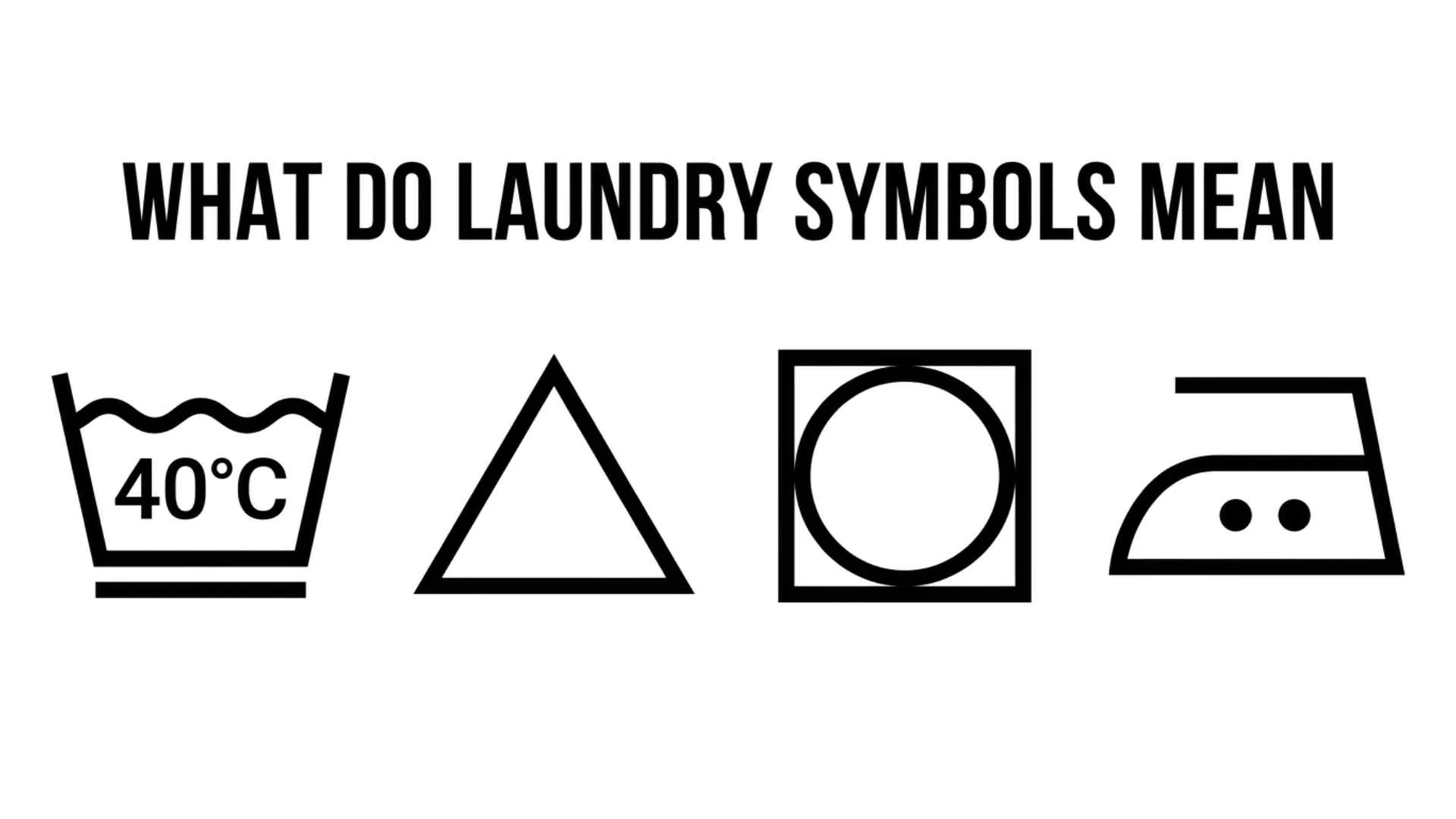
Have you ever pulled your favorite sweater out of the washing machine only to discover it shrank into doll sized clothing? Or watched a once bright shirt fade after a single wash? Most people ignore clothing labels until disaster strikes. That is why understanding what do laundry symbols mean can completely change the way you care for your clothes and save you money, stress, and frustration.
Laundry symbols may look like tiny secret codes stitched inside your clothes, but each one carries an important message. These symbols tell you how to wash, dry, bleach, iron, and care for fabrics properly. Learning them is not just about laundry. It is about protecting memories attached to your favorite clothes, preserving quality, and making garments last longer.
In many cultures, clean and well cared for clothing also symbolizes respect, discipline, and self care. A properly maintained outfit can affect confidence, mood, and even how others perceive you. Once you understand these symbols, laundry stops feeling confusing and starts feeling empowering.
Why Laundry Symbols Matter More Than Most People Realize
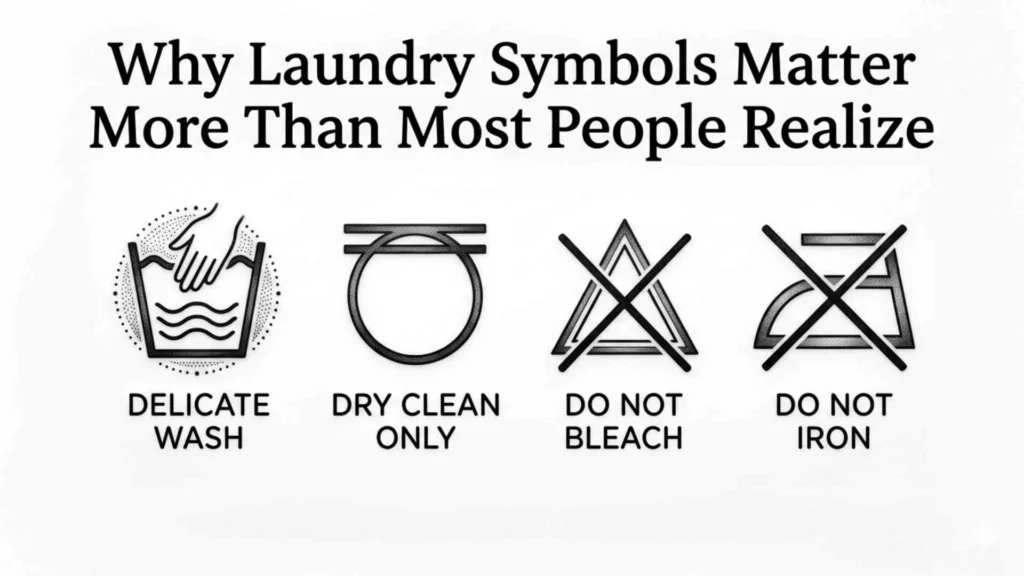
Laundry symbols are not random drawings. They are universal care instructions designed to help people care for clothing correctly regardless of language or country. These symbols were created to simplify garment care globally, especially as fashion became international.
A simple mistake like using hot water instead of cold can damage delicate fibers permanently. Some fabrics lose shape, while others fade, stretch, or weaken. Laundry symbols help prevent these costly mistakes.
Emotionally, clothing often carries memories. A wedding dress, baby blanket, favorite hoodie, or family heirloom has sentimental value beyond money. Proper care keeps those memories alive longer.
Did You Know?
The first internationally recognized laundry care symbols were introduced in Europe in the 1950s to create a universal garment care language across countries.
Today, most clothing brands follow standardized care labeling systems used across the USA, Europe, and Asia.
Understanding the Five Main Laundry Symbol Categories
Most laundry symbols fall into five major groups. Once you understand these categories, reading clothing labels becomes much easier.
1. Washing Symbols
The washing symbol looks like a small bucket of water. It tells you how to wash the garment safely.
Common Washing Symbols and Meanings
Normal Wash
A plain water tub means the clothing can be machine washed normally.
This represents durability and ease. Psychologically, it gives reassurance that the garment is low maintenance and practical for daily life.
Hand Wash Symbol
A tub with a hand inside means hand washing is recommended.
This symbol often appears on delicate fabrics like silk or lace. It emotionally represents gentleness, patience, and extra care.
In Asian cultures, hand washing delicate clothing is sometimes associated with mindfulness and respect for valuable garments.
Do Not Wash Symbol
A crossed out tub means the item should not be washed with water.
Usually, these clothes require dry cleaning because water can damage the fabric structure.
Water Temperature Symbols
Dots inside the tub indicate temperature:
- One dot means cold wash
- Two dots mean warm wash
- Three dots mean hot wash
Cold washing has become increasingly popular worldwide because it saves energy and protects colors.
What Drying Symbols Mean on Clothing Labels
Drying symbols appear as squares and explain how clothes should be dried after washing.
Improper drying is one of the biggest reasons clothes shrink, wrinkle, or lose elasticity.
Tumble Dry Symbol
A square with a circle inside means tumble drying is allowed.
Dots inside indicate heat levels:
- One dot for low heat
- Two dots for medium heat
- Three dots for high heat
Do Not Tumble Dry
A crossed out tumble dryer symbol means machine drying can damage the garment.
This usually applies to delicate fabrics like wool, silk, or spandex blends.
Line Dry Symbol
A square with a vertical line means hang the garment to dry naturally.
This method symbolizes patience and preservation. In many African and Mediterranean cultures, sun drying clothes outdoors is tied to tradition, freshness, and community life.
Dry Flat Symbol
A square with a horizontal line means the garment should dry flat.
This prevents stretching in heavy knit fabrics like sweaters.
The Hidden Meaning Behind Bleaching Symbols
Bleach symbols are represented by a triangle. They tell you whether bleach is safe for the fabric.
Plain Triangle
A simple triangle means bleach can be used if needed.
Crossed Triangle
A crossed triangle means do not bleach.
Bleach can weaken fibers and ruin colors permanently.
Triangle With Lines
This symbol means only non chlorine bleach is allowed.
This is especially important for colored clothing.
Emotional Meaning of Bleach Symbols
Interestingly, bleach symbols represent protection and boundaries. They remind us that stronger is not always better. Over cleaning or harsh treatment can destroy something valuable, whether fabric or relationships.
Ironing Symbols Explained Clearly
Iron symbols look like small traditional irons. They tell you whether ironing is safe and at what temperature.
Heat can quickly damage delicate fibers, so these symbols matter more than many people think.
Iron With One Dot
Low temperature ironing is safe.
Usually used for synthetic fabrics like polyester.
Iron With Two Dots
Medium heat is acceptable.
Works for fabrics like wool and blends.
Iron With Three Dots
High heat ironing is allowed.
Typically safe for cotton and linen.
Crossed Out Iron Symbol
Do not iron the garment.
This often applies to stretchy fabrics or textured materials.
Cultural Perspective on Ironed Clothing
In many societies, wrinkle free clothing represents professionalism, discipline, and self respect. In Europe and parts of Asia, neatly pressed clothing is strongly associated with elegance and social presentation.
Dry Cleaning Symbols and Their Importance
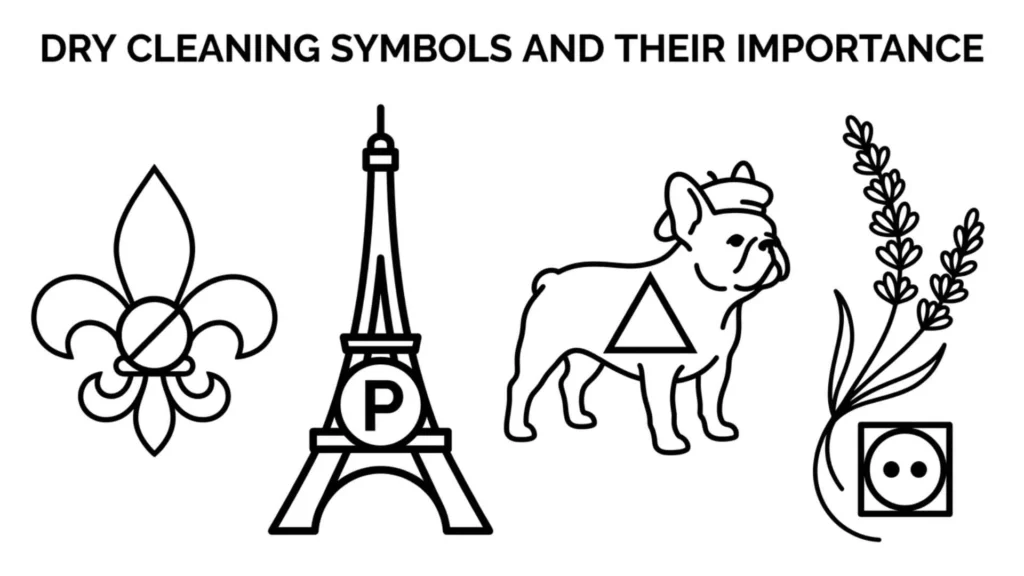
Dry cleaning symbols are circles that indicate professional cleaning instructions.
These symbols matter because some fabrics react badly to water or regular detergents.
Plain Circle
Dry cleaning is allowed.
Circle With Letters
Letters guide professional cleaners about which solvents to use.
Consumers do not usually need to memorize these letters, but cleaners understand them.
Crossed Out Circle
Do not dry clean.
This means professional chemicals may harm the garment.
Why Dry Cleaning Feels Luxurious
Psychologically, dry cleaning is often associated with premium care and sophistication. Garments requiring dry cleaning are usually viewed as valuable or formal.
Laundry Symbols Across Different Cultures
Laundry practices vary worldwide, but laundry symbols create a shared global language.
United States
In the USA, convenience and machine washing dominate clothing care. Symbols often emphasize dryer instructions because tumble drying is common.
Europe
European households traditionally air dry clothing more often. Energy efficiency and fabric preservation are strongly valued.
Asia
Many Asian cultures treat clothing care with exceptional attention. Delicate hand washing and fabric preservation are common practices.
Africa
In many African regions, outdoor drying remains culturally important. Sun dried clothes are associated with freshness and cleanliness.
Shared Emotional Connection
Despite cultural differences, laundry symbols universally represent care, protection, and responsibility.
The Most Common Laundry Symbol Mistakes People Make
Many clothing disasters happen because people misunderstand simple symbols.
Ignoring Temperature Instructions
Hot water can shrink natural fibers and fade colors quickly.
Overusing Dryers
High heat weakens elastic materials and damages prints.
Misunderstanding Hand Wash Labels
Hand wash does not always mean difficult. Often, gentle machine cycles work safely too.
Using Bleach Incorrectly
Bleach stains and weakens fabric fibers permanently when used improperly.
Skipping Label Checks Entirely
Many people cut labels off because they feel uncomfortable or annoying. Unfortunately, this removes valuable care instructions.
How Laundry Symbols Protect Your Money
Understanding laundry symbols is financially smart.
Replacing damaged clothes repeatedly becomes expensive over time. Proper garment care extends clothing life significantly.
Fast Fashion vs Proper Care
Modern fast fashion encourages disposable clothing habits. However, proper care symbols promote sustainability and mindful consumption.
A well cared for garment can last years longer than a poorly maintained one.
Did You Know?
Cold water washing can reduce energy use by up to 90 percent compared to hot water cycles.
That means laundry symbols also support environmental sustainability.
A Simple Memory Trick for Reading Laundry Symbols
If laundry symbols feel overwhelming, use this easy method:
- Bucket equals washing
- Triangle equals bleach
- Square equals drying
- Iron equals ironing
- Circle equals dry cleaning
Think of the symbols as a step by step clothing care journey from washing to finishing.
The Psychology Behind Clothing Care
Laundry symbols may seem practical only, but they also reflect emotional habits.
People who care for clothing carefully often value organization, responsibility, and self respect. Taking care of clothes can even improve mental clarity and routine.
Fresh clean clothing also affects confidence levels. Studies in behavioral psychology suggest clothing condition influences self perception and social interaction.
Clothing and Identity
Certain garments represent milestones, memories, or personal identity. Preserving them through correct care preserves emotional attachment too.
Eco Friendly Laundry Practices Inspired by Care Symbols
Laundry symbols can help reduce waste and environmental damage.
Wash Less Often
Not every garment needs frequent washing.
Over washing weakens fabrics and wastes water.
Use Cold Water
Cold washing protects colors and reduces energy use.
Air Dry When Possible
Line drying extends garment life and lowers electricity consumption.
Avoid Harsh Chemicals
Gentler detergents preserve both fabric and environmental health.
Why Modern Clothing Needs More Care Than Older Clothing
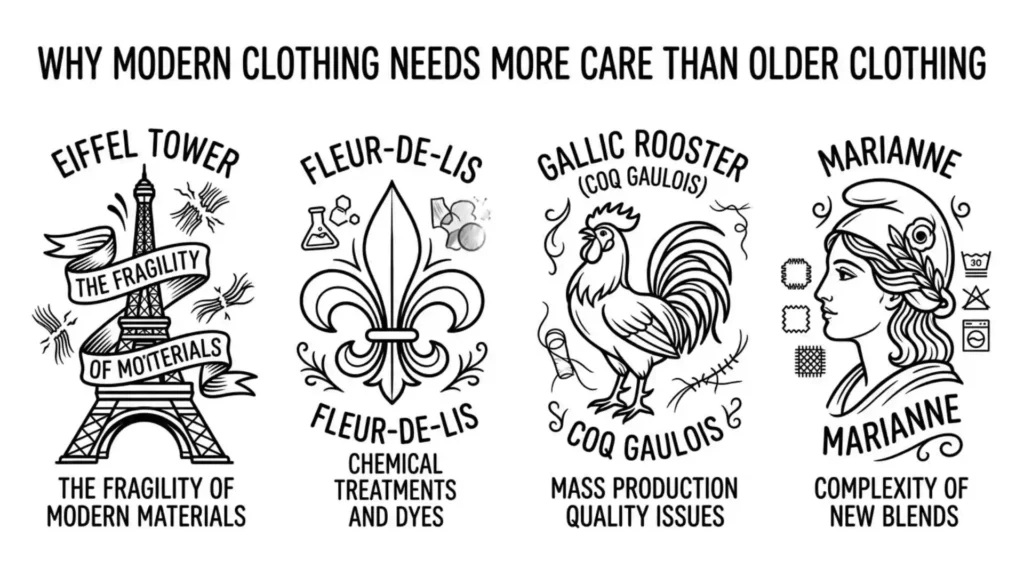
Older clothing was often made with heavier durable fabrics. Today many garments use blended synthetic fibers that require more delicate treatment.
That is why modern laundry symbols have become increasingly detailed.
Stretch fabrics, athletic wear, and performance materials can easily lose shape if cared for incorrectly.
How to Read Laundry Symbols Like an Expert
Start by identifying the basic category symbol first.
Then notice extra details like:
- Dots for temperature
- Lines for cycle gentleness
- Cross marks for restrictions
Once you practice a few times, reading labels becomes automatic.
Laundry Symbols for Delicate Fabrics
Some fabrics need special attention because of their texture and sensitivity.
Wool
Often requires cold water and flat drying.
Heat can shrink wool dramatically.
Silk
Usually needs hand washing or dry cleaning.
Silk symbolizes luxury, elegance, and refinement in many cultures.
Linen
Can tolerate higher heat but wrinkles easily.
Linen historically represented wealth and sophistication in ancient Egypt and Europe.
Polyester
More durable but sensitive to high ironing temperatures.
Why Some Symbols Look Different Internationally
Although many laundry symbols are standardized globally, slight differences exist between countries.
European labels sometimes include more detailed professional cleaning instructions.
Japanese labels may focus more on fabric delicacy.
American labels often include written instructions alongside symbols.
Still, the core meanings remain remarkably consistent worldwide.
The Future of Laundry Symbols
As sustainable fashion grows, laundry symbols are becoming more important than ever.
Brands now encourage consumers to wash clothes less frequently, use lower temperatures, and avoid unnecessary drying.
Some companies even add QR codes to labels for digital care instructions.
Smart fabrics and eco friendly materials may create new symbols in the future.
Frequently Asked Questions About Laundry Symbols
What do laundry symbols mean on clothes?
Laundry symbols are care instructions that explain how to safely wash, dry, bleach, iron, and clean garments without damaging them.
What does the triangle symbol mean in laundry?
The triangle symbol relates to bleach instructions. A plain triangle means bleach is allowed, while a crossed triangle means do not bleach.
What does a crossed out dryer symbol mean?
It means tumble drying is unsafe for the garment. Air drying is usually recommended instead.
Why are laundry symbols important?
They protect clothing quality, prevent shrinking or fading, and help garments last longer.
Are laundry symbols universal worldwide?
Most laundry symbols are internationally standardized, although some regional differences exist.
What happens if I ignore laundry symbols?
Ignoring care labels can lead to shrinking, stretching, fading, fabric weakening, or permanent clothing damage.
How can I remember laundry symbols easily?
Remember the shape categories:
Bucket for washing, triangle for bleach, square for drying, iron for ironing, and circle for dry cleaning.
Conclusion
Understanding what do laundry symbols mean is one of the simplest ways to protect your clothes, save money, and reduce waste. These tiny icons may look insignificant, but they contain valuable instructions that preserve fabric quality, color, comfort, and emotional memories connected to your favorite garments.
Laundry symbols are more than technical markings. They represent care, responsibility, and respect for the things we use every day. Across cultures and generations, clothing care has always reflected personal pride and mindful living.
Once you learn the basic symbols, laundry becomes less stressful and far more effective. Instead of ruining clothes accidentally, you gain confidence in caring for every fabric properly.
The next time you check a clothing tag, you will no longer see confusing shapes. You will understand the hidden language that keeps your wardrobe looking fresh, clean, and lasting longer.

Nicholas Allen is a passionate writer and symbolism researcher who explores the hidden meanings behind ancient signs, spiritual icons and cultural symbols from around the world. His work focuses on making complex symbolism easy to understand for modern readers.
He is the author of “Mystic Signs and Their Hidden Meanings”. Through his writing, Nicholas helps readers discover the stories, beliefs and mysteries connected to symbols across history and different cultures.