Imagine a sudden spark in your kitchen, smoke rising fast, your heart racing. You grab the nearest fire extinguisher, but then a question hits you, what do the symbols on a fire extinguisher indicate and which one actually works for this fire? In that critical moment, confusion can cost seconds, and seconds can change everything.
Fire extinguisher symbols are not just random icons. They are a universal language designed to guide you instantly, even under stress. Understanding them is not only practical but deeply empowering. It gives you control in a situation where panic often takes over.
In this guide, you will learn exactly what these symbols mean, why they exist, and how they can protect lives.
Why Fire Extinguisher Symbols Matter More Than You Think
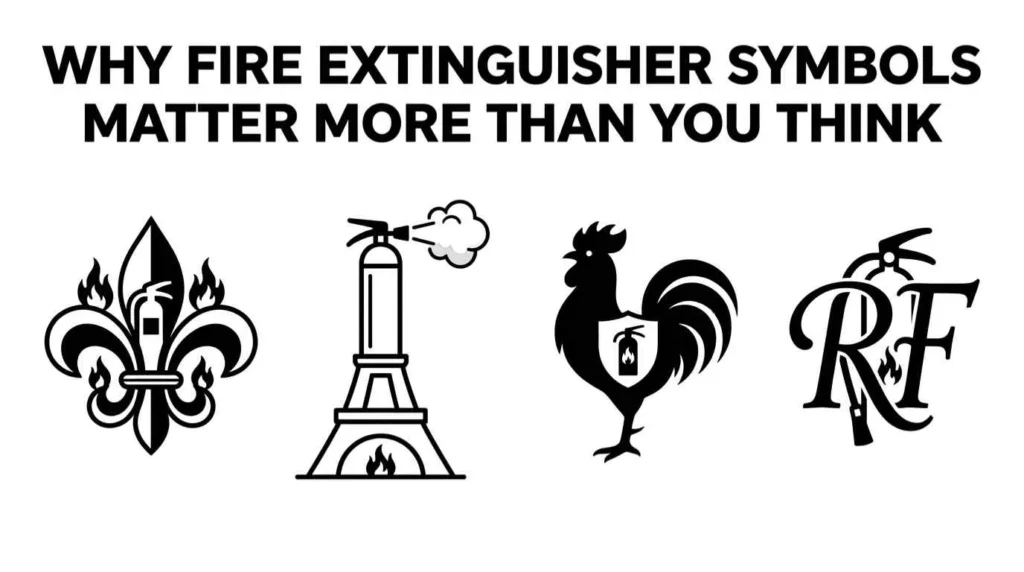
Fire extinguisher symbols are designed for one purpose, quick recognition. During emergencies, the brain shifts into survival mode. Complex instructions become useless. Symbols, however, are processed faster than words.
These symbols communicate three critical things:
- The type of fire the extinguisher can handle
- The types of fires it should NOT be used on
- The level of effectiveness
From a psychological perspective, symbols reduce hesitation. When you see a clear icon of a burning electrical plug or a trash can on fire, your brain instantly understands the situation without needing translation.
Did you know? Studies show that visual cues are processed 60,000 times faster than text. That is why fire safety relies heavily on symbols.
Understanding the Different Fire Classes Behind the Symbols
Before decoding the symbols, it is essential to understand fire classes. Each symbol represents a specific type of fire.
Class A Fires
These involve ordinary materials like wood, paper, and cloth.
Symbol meaning: A burning trash can or wood stack
Emotional meaning: These fires represent everyday risks, the kind you might overlook until it is too late.
Class B Fires
These involve flammable liquids such as petrol, oil, and paint.
Symbol meaning: A fuel can or liquid container on fire
Psychological angle: This symbol signals volatility and danger, reminding you how quickly things can escalate.
Class C Fires
These involve electrical equipment like wiring, appliances, and circuit boards.
Symbol meaning: A plug or electrical outlet in flames
This symbol triggers caution. Water could make things worse, so the symbol acts as a warning against instinctive reactions.
Class D Fires
These involve combustible metals like magnesium or titanium.
Symbol meaning: A metal gear or flame over metal
Rare but dangerous, this symbol represents specialized knowledge and industrial risk.
Class K Fires
These involve cooking oils and fats, often in kitchens.
Symbol meaning: A frying pan on fire
This is one of the most relatable symbols, especially in homes and restaurants. It connects emotionally because it reflects a common real life scenario.
Decoding the Icons: What Each Fire Extinguisher Symbol Really Tells You
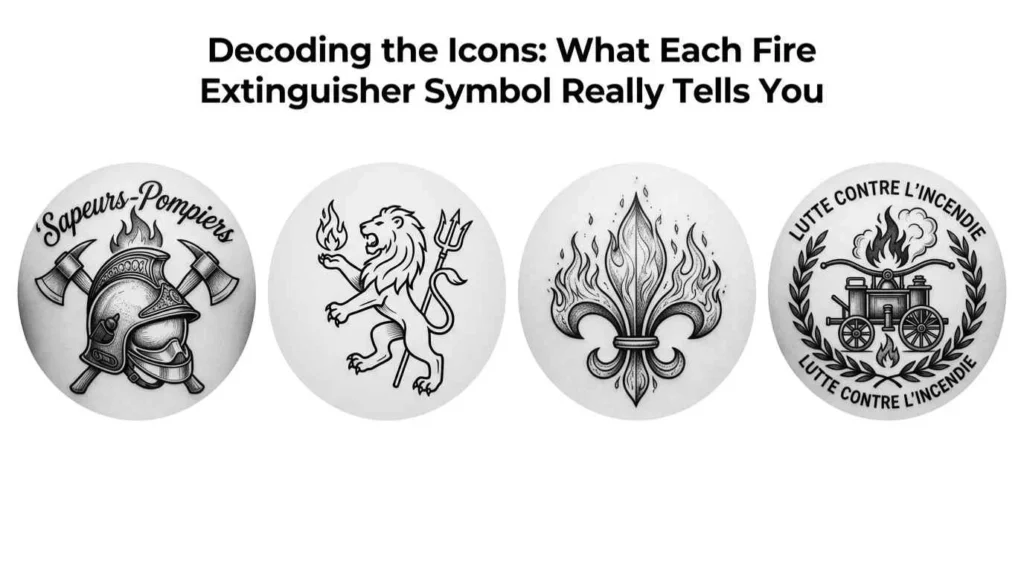
Each symbol is more than an image. It is a decision making tool.
The Burning Trash Can Symbol
This icon represents Class A fires.
It tells you the extinguisher is safe for materials like wood and paper.
Practical tip: Ideal for homes, offices, and schools.
The Fuel Can Symbol
This symbol indicates Class B fires.
It shows that the extinguisher can handle flammable liquids.
Important note: Never use water here. The symbol helps prevent that mistake.
The Electrical Plug Symbol
This icon represents Class C fires.
It warns you that electricity is involved.
Emotional insight: This symbol often creates hesitation, but it actually guides you toward the safest action.
The Frying Pan Symbol
This symbol is for Class K fires.
It is crucial in kitchens where oil fires are common.
Did you know? Throwing water on an oil fire can cause an explosion. This symbol helps avoid that dangerous instinct.
The Crossed Out Symbols
Sometimes you will see symbols with a red slash across them.
Meaning: DO NOT use this extinguisher for that type of fire.
Psychological effect: The red slash acts as a strong visual warning, stopping you from making a risky choice.
The Color Coding System: Another Layer of Meaning
Symbols are often combined with color codes to enhance understanding.
- Red: General use or multi purpose
- Cream: Foam extinguishers for liquid fires
- Blue: Dry powder for multiple fire types
- Black: CO2 extinguishers for electrical fires
- Yellow: Wet chemical for kitchen fires
Colors work with symbols to create a dual communication system. Even if one element is missed, the other reinforces the message.
Cultural Interpretations of Fire Safety Symbols Around the World
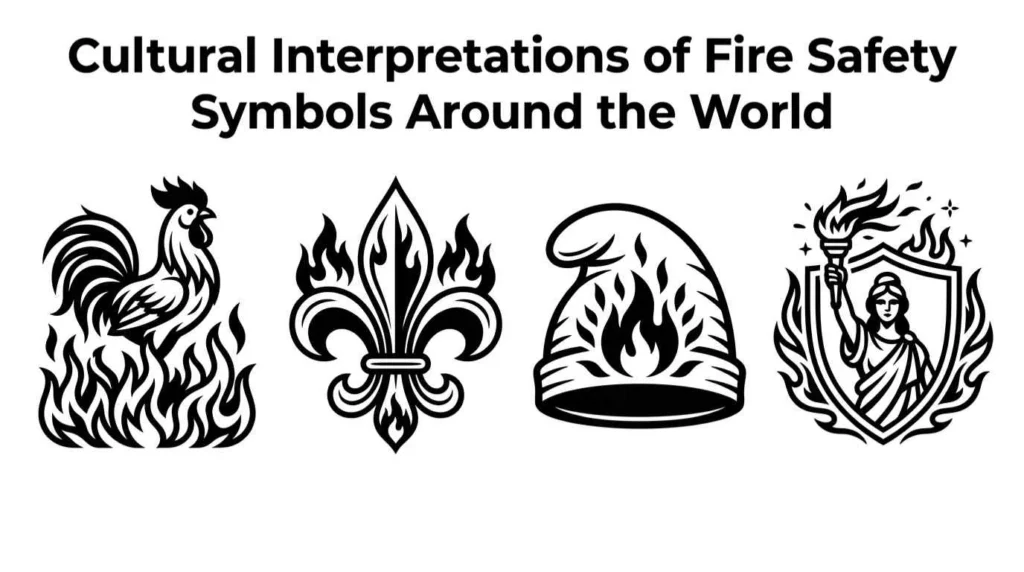
Fire extinguisher symbols are mostly standardized, but their interpretation can vary slightly across cultures.
United States and Europe
Focus on strict standardization and clear labeling. Symbols are often paired with text for clarity.
Asia
Greater emphasis on visual clarity due to language diversity. Symbols are often larger and more prominent.
Africa
In many regions, symbols play a critical role because literacy levels vary. Visual communication becomes essential.
Despite these differences, the core meaning remains universal. Fire is a shared human experience, and so is the need to control it.
The Hidden Psychology Behind Fire Extinguisher Symbols
Symbols are not just functional, they are emotional triggers.
- Flames represent urgency and danger
- Red slashes signal prohibition and caution
- Simple shapes reduce confusion under stress
When you see a fire extinguisher symbol, your brain immediately shifts into action mode. This is intentional design.
The simplicity of these symbols is what makes them powerful. They cut through panic and guide behavior instantly.
Common Mistakes People Make When Reading Fire Extinguisher Symbols
Even with clear symbols, mistakes still happen.
Ignoring Crossed Out Icons
Many people overlook the red slash, leading to dangerous misuse.
Assuming One Extinguisher Fits All Fires
Not all extinguishers are universal. Symbols clearly define limitations.
Misinterpreting Electrical Fire Symbols
Some people panic and use water, not realizing the symbol indicates electrical danger.
Overlooking Kitchen Fire Symbols
Oil fires are often misunderstood, and the frying pan symbol is ignored.
How to Choose the Right Fire Extinguisher Using Symbols
When buying or using an extinguisher, symbols should guide your decision.
Ask yourself:
- What type of fire is most likely in this area?
- Does the extinguisher symbol match that risk?
- Are there any crossed out warnings?
For example:
- Home use: Look for Class A and K symbols
- Garage: Class B is important
- Office: Class C is essential
Symbols simplify what could otherwise be a complex decision.
Did You Know? Fascinating Facts About Fire Extinguisher Symbols
- The symbol system was developed to overcome language barriers globally
- Early extinguishers had only text labels, which caused confusion
- Modern symbols are tested for instant recognition under stress
- Some symbols are designed using psychological studies on human perception
FAQs About Fire Extinguisher Symbols
What do the symbols on a fire extinguisher indicate?
They show the types of fires the extinguisher can safely handle and which ones to avoid.
Why are there crossed out symbols on fire extinguishers?
They warn you not to use the extinguisher on certain types of fires.
Can one fire extinguisher handle all fire types?
Some multi purpose extinguishers can, but you must check the symbols to be sure.
What does the electrical plug symbol mean?
It indicates the extinguisher is safe for electrical fires.
Why is the frying pan symbol important?
It represents kitchen fires involving oil and grease, which require special handling.
Are fire extinguisher symbols the same worldwide?
They are mostly standardized but may vary slightly in design and labeling.
How can I quickly remember fire extinguisher symbols?
Associate each symbol with real life situations like kitchen, fuel, or electronics.
Conclusion: Why Understanding Fire Extinguisher Symbols Can Save Lives
Fire extinguisher symbols are more than simple icons. They are life saving tools designed to guide you in moments of chaos. By understanding what each symbol represents, you eliminate hesitation and act with confidence.
These symbols connect logic with instinct, turning fear into informed action. Whether at home, work, or in public spaces, knowing their meaning gives you the power to respond correctly when it matters most.
Take a moment today to look at the extinguisher around you. Those small symbols might one day make a very big difference.

Nicholas Allen is a passionate writer and symbolism researcher who explores the hidden meanings behind ancient signs, spiritual icons and cultural symbols from around the world. His work focuses on making complex symbolism easy to understand for modern readers.
He is the author of “Mystic Signs and Their Hidden Meanings”. Through his writing, Nicholas helps readers discover the stories, beliefs and mysteries connected to symbols across history and different cultures.