
Winter symbols have a magical way of touching the heart. The first snowfall, the glow of candlelight, the silence of frozen forests, and the comfort of warm scarves all carry meanings far beyond the season itself. Across cultures and generations, winter has inspired symbols of peace, survival, transformation, hope, and emotional healing.
For some people, winter represents loneliness and stillness. For others, it feels like a season of reflection, family bonding, and spiritual renewal. Every snowflake, evergreen tree, and winter animal tells a story connected to human emotions and ancient traditions. These symbols are not just decorative objects used during cold months. They are powerful reminders of resilience, rebirth, protection, and inner strength.
In this guide, you will discover the most meaningful winter symbols, their origins, emotional significance, cultural interpretations, and the psychological feelings they awaken in people around the world. Whether you love winter traditions, seasonal symbolism, spirituality, or cultural meanings, this article will help you see winter in a completely new way.
Snowflakes as Symbols of Uniqueness and Fragile Beauty
Snowflakes are among the most recognized winter symbols in the world. Their delicate shapes and temporary existence have fascinated humans for centuries.
Every snowflake forms differently, which makes it a universal symbol of individuality. Just like no two snowflakes are alike, no two people share the exact same life experiences. This idea became especially popular in modern psychology and motivational culture.
In many European traditions, snowflakes represent purity, innocence, and quiet transformation. In Japan, snow is often connected with emotional beauty and temporary moments, reflecting the cultural idea that life itself is fragile and fleeting.
Psychologically, snowflakes create feelings of calmness and peace. Watching snowfall slows the mind and encourages reflection. This is one reason winter landscapes are often associated with mindfulness and emotional healing.
Did you know? Scientists estimate that a single snowflake can contain more than 200 ice crystals in unique formations.
Snowflakes also symbolize balance between strength and delicacy. Even though they melt quickly, entire snowstorms can reshape landscapes and cities. This hidden power gives snowflakes deeper symbolic meaning connected to collective strength and silent influence.
Evergreen Trees and the Symbol of Eternal Life
Evergreen trees remain green even during the harshest winters. Because of this, they have become powerful symbols of endurance, immortality, and hope.
Long before modern holiday celebrations, ancient civilizations in Europe used evergreen branches during winter festivals. The Romans decorated homes with greenery during Saturnalia, while Celtic cultures believed evergreen trees carried protective spiritual energy.
Today, evergreen trees are closely linked with winter celebrations around the world. The Christmas tree itself evolved from older traditions celebrating life during dark winter months.
Emotionally, evergreen trees represent resilience. They remind people that life continues even in difficult seasons. This symbolism deeply connects with people experiencing emotional hardship or personal change.
In Scandinavian countries, pine forests symbolize survival and harmony with nature. In some Asian traditions, evergreen trees represent longevity and wisdom. African cultures often associate strong trees with ancestral protection and spiritual grounding.
The visual presence of evergreens during snowy weather creates psychological comfort. Their rich green color contrasts with white landscapes, giving people a subconscious sense of warmth and stability.
Fire and Candlelight as Winter Symbols of Hope
During winter, darkness arrives earlier and temperatures fall dramatically. Across human history, fire became a symbol of survival, safety, and human connection.
Candles, fireplaces, lanterns, and bonfires are powerful winter symbols because they represent hope against darkness. Ancient communities gathered around fires for warmth, storytelling, and protection from danger.
In spiritual traditions, candlelight often symbolizes guidance and inner wisdom. Many winter festivals around the world use candles to celebrate light overcoming darkness.
For example:
- Hanukkah in Jewish tradition centers around sacred candle lighting
- Scandinavian winter festivals use lanterns during long dark nights
- Christmas candles symbolize peace and divine light
- Diwali in some regions also aligns spiritually with themes of light defeating darkness
Psychologically, warm light creates feelings of comfort and emotional safety. Studies show that soft lighting can reduce stress and improve relaxation during colder seasons.
Did you know? Humans naturally feel more emotionally connected during winter gatherings around firelight because our ancestors relied on communal warmth for survival.
Fire symbolism also carries emotional transformation. Just as flames consume wood and create warmth, winter fires symbolize emotional renewal, letting go of fear, and creating new beginnings.
Winter Animals and Their Hidden Spiritual Meanings
Animals associated with winter carry deep symbolic meaning in mythology, spirituality, and folklore.
The Polar Bear
The polar bear symbolizes strength, endurance, and adaptation. Living in harsh Arctic conditions, it represents courage during emotional isolation and difficult life transitions.
In Indigenous Arctic cultures, the polar bear is respected as a spiritual guide connected to survival wisdom.
The Owl
Owls become especially symbolic during winter nights. They represent wisdom, intuition, mystery, and inner awareness.
European folklore often viewed owls as guardians between worlds, while many Native American traditions associate owls with spiritual messages and transformation.
The Deer
Deer symbolize gentleness, peace, and spiritual awareness. Winter deer imagery became especially popular through holiday folklore involving reindeer.
In Celtic traditions, deer represented guidance through darkness and connection to nature spirits.
The Wolf
Wolves symbolize instinct, loyalty, and survival. During winter, wolves often appear in stories about resilience and teamwork.
Many cultures admire wolves for their ability to survive extreme conditions while maintaining strong social bonds.
Winter animals emotionally connect people with primal survival instincts and the natural cycle of adaptation.
Ice and Frozen Water as Symbols of Reflection and Emotional Stillness
Ice may appear cold and lifeless, but symbolically it carries profound emotional meaning.
Frozen lakes, icicles, and glaciers often represent emotional pause, clarity, and introspection. Winter naturally slows movement in nature, encouraging humans to reflect inwardly.
In literature and art, ice frequently symbolizes hidden emotions beneath the surface. Calm frozen landscapes can hide powerful rivers underneath, much like people hide emotional depth behind calm appearances.
In Asian philosophy, still water often represents wisdom and self awareness. Frozen water extends this symbolism into patience and silent endurance.
Psychologically, winter stillness can trigger emotional reflection. Many people naturally think more deeply during winter months because outdoor activity decreases and indoor solitude increases.
Did you know? Ancient Nordic cultures believed ice carried memory and spiritual energy connected to ancestors.
Ice also symbolizes emotional protection. Just as frozen surfaces create barriers, people emotionally “freeze” themselves during periods of grief or stress. This symbolic connection appears frequently in poetry, mythology, and storytelling.
Scarves, Mittens, and Winter Clothing as Symbols of Protection and Love
Winter clothing may seem practical, but it also carries emotional symbolism connected to care and affection.
Handmade scarves, knitted sweaters, and mittens often symbolize love because they require time, patience, and personal effort. Across many cultures, gifting warm clothing during winter expresses emotional warmth and protection.
In family traditions, winter clothing becomes tied to nostalgia and childhood memories. The feeling of wearing a grandparent’s knitted scarf or a parent’s winter coat often creates emotional comfort.
Psychologically, warm clothing provides a sense of security beyond physical warmth. Soft textures and layered fabrics create calming sensory experiences during cold weather.
Different cultures attach unique meanings to winter garments:
- In Northern Europe, wool clothing symbolizes survival and practical wisdom
- In East Asia, layered winter clothing traditionally represents preparation and discipline
- In Indigenous Arctic cultures, fur garments symbolize harmony with nature and respect for animals
Winter clothing also represents emotional vulnerability. During harsh weather, humans depend on protection from external conditions, making winter garments symbols of care, trust, and human interdependence.
The Snowman and Childlike Joy in Winter Symbolism
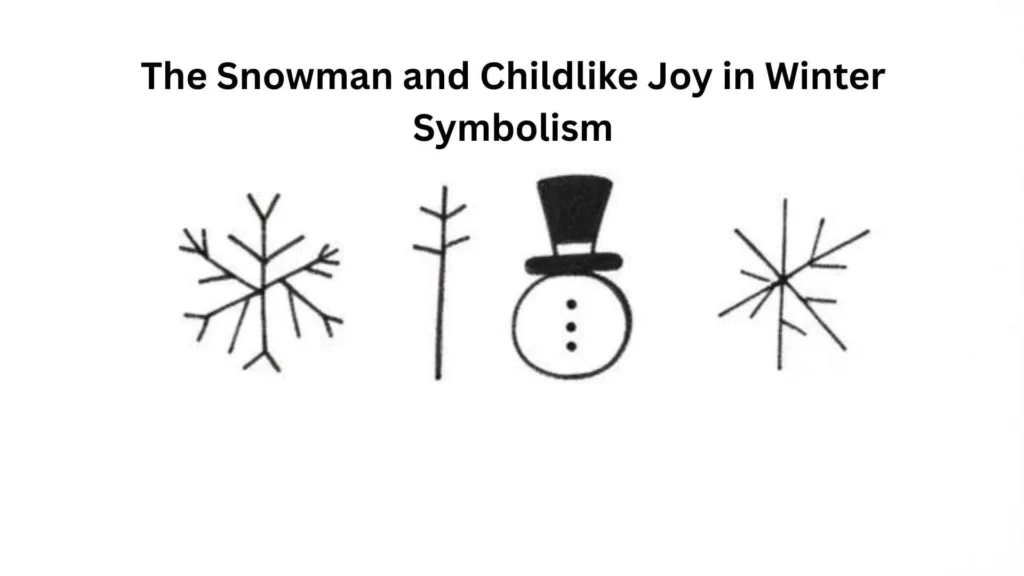
The snowman is one of the most joyful and emotionally nostalgic winter symbols.
Unlike ancient spiritual symbols, snowmen are relatively modern cultural icons. They represent creativity, innocence, and temporary happiness.
Building a snowman is often associated with family bonding and childhood wonder. Since snowmen melt away, they also symbolize the temporary nature of joyful moments.
In European folklore, early snow figures were sometimes believed to protect villages from winter spirits. Over time, they evolved into playful symbols of celebration and community.
Psychologically, snowmen reconnect adults with childlike imagination. Their imperfect shapes and funny appearances encourage emotional relaxation and playful thinking.
Did you know? The earliest known snowman illustration dates back to the late 1300s in medieval Europe.
Snowmen also symbolize cooperation. Rarely built alone, they reflect teamwork, shared memories, and the human desire for connection during cold seasons.
Winter Moon Symbolism and Spiritual Transformation
The winter moon has inspired myths, rituals, and spiritual beliefs across civilizations for thousands of years.
Because winter nights are longer and darker, the moon becomes more visually powerful during this season. It symbolizes intuition, emotional depth, mystery, and inner transformation.
In Native American traditions, winter moons were often named according to seasonal survival challenges. Names like the Cold Moon or Wolf Moon reflected both nature and spiritual awareness.
In Chinese symbolism, the winter moon often represents yin energy, calmness, reflection, and feminine wisdom.
European folklore linked winter moons with prophecy, dreams, and spiritual communication. People believed moonlight during snowy nights revealed hidden truths and emotional clarity.
Psychologically, moonlit winter landscapes create feelings of solitude and introspection. Many artists and writers describe winter moonlight as emotionally haunting yet peaceful.
The moon also symbolizes cycles and renewal. Even during the darkest winter nights, the moon changes continuously, reminding people that difficult seasons eventually pass.
Why Winter Symbols Feel So Powerful Emotionally
Winter symbolism affects people deeply because it connects directly to universal human experiences.
Cold weather naturally creates emotional contrasts:
- Darkness and light
- Isolation and togetherness
- Hardship and survival
- Silence and reflection
- Death and renewal
Unlike other seasons, winter forces people inward physically and emotionally. This inward focus strengthens symbolic meaning.
Psychologists believe seasonal imagery influences emotional memory strongly because winter experiences often involve family traditions, holidays, childhood nostalgia, and personal reflection.
Across cultures, winter symbols repeatedly carry similar emotional themes:
- Hope during hardship
- Inner strength
- Emotional healing
- Spiritual transformation
- Protection and connection
Even modern winter decorations continue ancient symbolic traditions rooted in survival, warmth, and community.
Frequently Asked Questions About Winter Symbols
What are the most common winter symbols?
The most common winter symbols include snowflakes, evergreen trees, candles, snowmen, winter animals, scarves, ice, and the moon. These symbols often represent hope, survival, peace, and emotional reflection.
Why do snowflakes symbolize uniqueness?
Every snowflake forms differently because of changing atmospheric conditions. This makes them powerful symbols of individuality, beauty, and the uniqueness of human experiences.
What does winter symbolize emotionally?
Emotionally, winter symbolizes introspection, healing, solitude, resilience, transformation, and quiet renewal. It often encourages people to slow down and reflect on life.
Why are evergreen trees important winter symbols?
Evergreen trees stay alive during harsh winter conditions, symbolizing endurance, eternal life, hope, and resilience across many cultures.
What do winter animals represent spiritually?
Winter animals often symbolize survival instincts, wisdom, adaptability, intuition, and emotional strength. Different cultures interpret each animal uniquely.
Why is candlelight meaningful in winter?
Candlelight symbolizes hope, warmth, guidance, and protection against darkness. Historically, fire was essential for survival during cold seasons.
How do different cultures view winter symbolism?
European traditions often focus on rebirth and protection, Asian cultures emphasize reflection and balance, African traditions connect winter symbols with ancestral wisdom, and Indigenous cultures frequently associate them with spiritual survival and harmony with nature.
Conclusion
Winter symbols are far more meaningful than seasonal decorations or holiday traditions. They reflect humanity’s deepest emotions, survival instincts, and spiritual beliefs. From delicate snowflakes to powerful evergreen trees, every winter symbol tells a story about resilience, hope, transformation, and connection.
These symbols continue to inspire people because they mirror real emotional experiences. Winter reminds us that even during dark and difficult moments, warmth, beauty, and renewal still exist. Whether through candlelight, moonlit snow, or the quiet strength of frozen landscapes, winter symbolism speaks directly to the human soul.
The next time you see falling snow, glowing lanterns, or evergreen branches, you may notice something deeper hidden within them. Winter is not only a season of cold weather. It is a season of reflection, emotional healing, and quiet human strength.

Nicholas Allen is a passionate writer and symbolism researcher who explores the hidden meanings behind ancient signs, spiritual icons and cultural symbols from around the world. His work focuses on making complex symbolism easy to understand for modern readers.
He is the author of “Mystic Signs and Their Hidden Meanings”. Through his writing, Nicholas helps readers discover the stories, beliefs and mysteries connected to symbols across history and different cultures.