
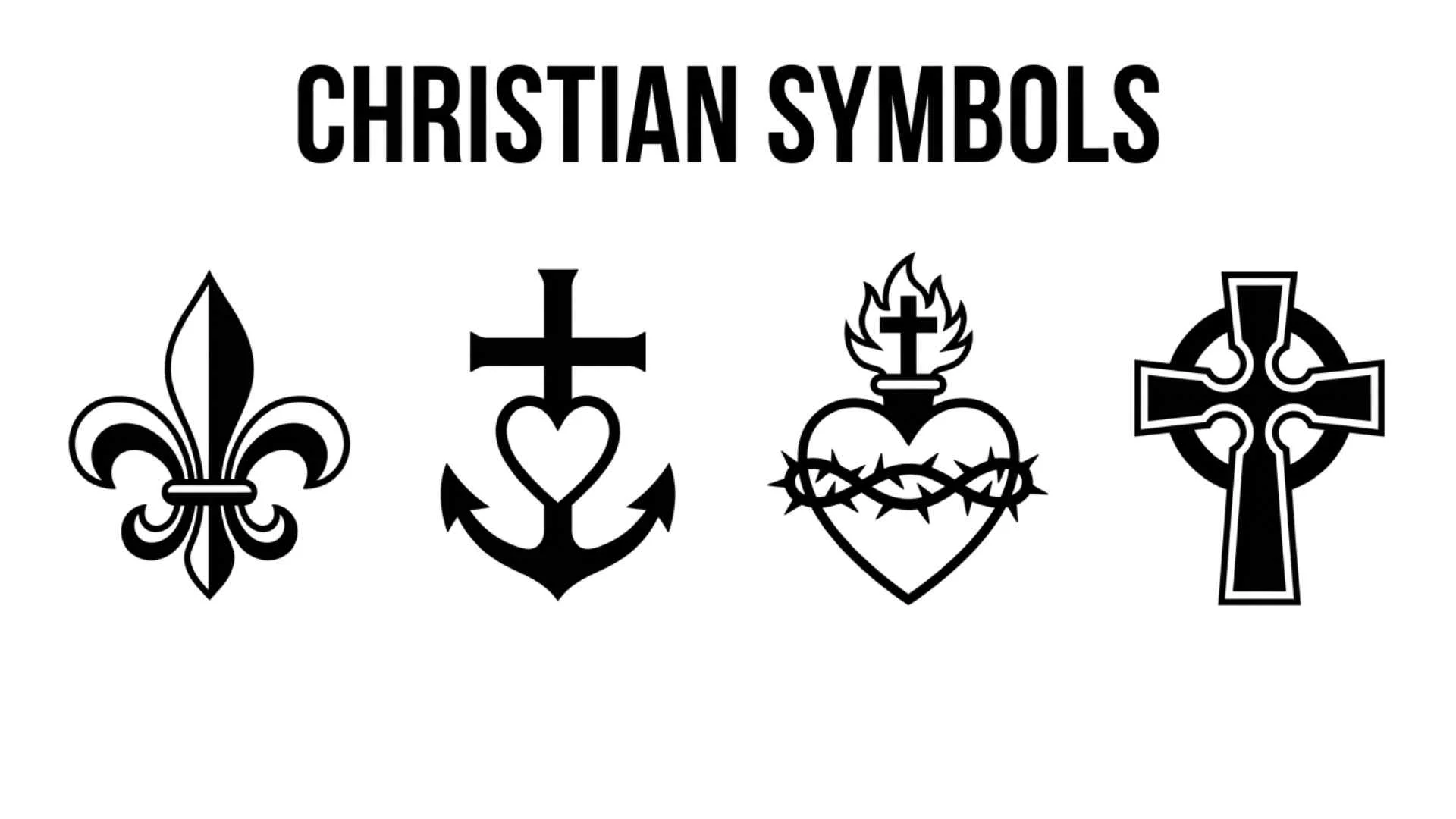
Christian symbols have shaped faith, culture, and identity for over two thousand years. From ancient churches in Europe to modern worship spaces in the USA, Asia, and Africa, these symbols continue to inspire deep emotional connection and spiritual reflection. Christian symbols are more than visual designs. They are powerful messages of hope, sacrifice, resurrection, protection, and divine love.
When you look at a simple cross, a fish sign, or a dove, you are actually seeing centuries of belief and storytelling packed into a single image. These symbols speak without words, touching the heart in ways sermons sometimes cannot. In this article, we will explore their meanings, origins, psychological impact, and cultural differences across the world.
The True Meaning of Christian Symbols in Faith and Daily Life
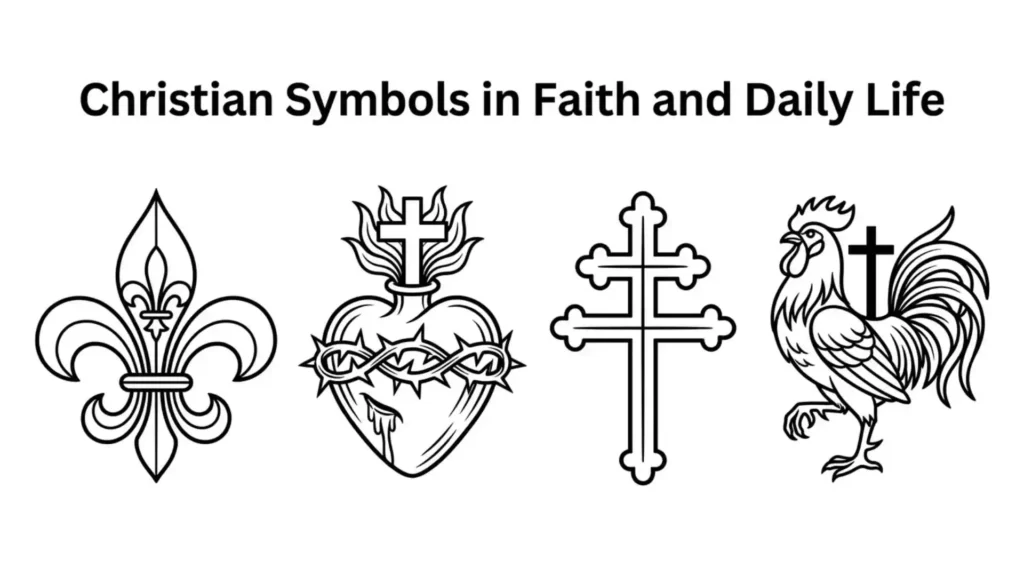
Christian symbols are visual representations of beliefs, teachings, and sacred history in Christianity. They help believers remember the life of Jesus Christ, His sacrifice, and His message of love and salvation.
At a deeper level, these symbols are not just religious marks. They also serve as emotional anchors. For many people, seeing a symbol like the cross brings comfort during hardship, strength during doubt, and hope during loss.
Across cultures, Christian symbols are used in churches, art, jewelry, architecture, and even tattoos. In Europe, they often appear in ancient cathedrals. In the USA, they are common in personal accessories. In Africa and Asia, they blend with local artistic styles, showing how universal and adaptable they are.
The Cross: The Most Powerful Christian Symbol of Sacrifice and Hope
Cross is the most recognized symbol of Christianity. It represents the crucifixion of Jesus Christ and His sacrifice for humanity.
Origin and History
The cross was once a Roman execution tool. Early Christians transformed it into a symbol of victory over death after the resurrection of Jesus. Over time, it became the central symbol of Christianity.
Emotional and Psychological Meaning
The cross represents suffering, forgiveness, and unconditional love. Psychologically, it gives believers a sense of redemption and emotional release. It reminds people that pain can lead to transformation.
Cultural Differences
In Europe, the cross is often seen in churches and historical monuments. In the USA, it is frequently worn as jewelry. In Africa, it is associated with community healing and spiritual protection. In Asia, it is often integrated with local artistic traditions, making it visually unique yet spiritually consistent.
The Ichthys: The Secret Fish Symbol of Early Christians
Ichthys, also known as the Jesus fish, was used by early Christians as a secret sign during persecution.
Historical Background
In ancient Rome, Christians were often persecuted. They used the fish symbol to secretly identify themselves. The Greek word Ichthys stands for Jesus Christ, Son of God, Savior.
Emotional Meaning
This symbol represents trust, safety, and belonging. It reminds believers that faith can survive even in difficult times.
Modern Usage
Today, it is often seen on cars, jewelry, and church materials, especially in Western countries like the USA and Europe. It has become a quiet expression of faith in public spaces.
The Dove: Symbol of Peace, Holy Spirit, and Inner Calm
Dove is a universal Christian symbol of peace, purity, and divine presence.
Biblical Origin
The dove appears in the Bible during the baptism of Jesus when the Holy Spirit descended like a dove. It also appears in the story of Noah’s Ark as a sign of hope and new beginning.
Psychological Meaning
The dove represents inner peace, emotional healing, and forgiveness. It brings a calming psychological effect, often associated with mental clarity and spiritual renewal.
Cultural Interpretation
In Europe, it is used in religious paintings. In Africa, it symbolizes peace after conflict. In Asia, it is often linked with harmony and balance. In the USA, it is widely used in memorial services and peace campaigns.
The Chi Rho: Ancient Monogram of Christ’s Identity
Chi Rho is one of the oldest Christian symbols made from the first two letters of the Greek word for Christ.
Historical Significance
This symbol was used by Emperor Constantine after he adopted Christianity. It became a sign of divine authority and victory.
Emotional Meaning
It represents divine protection, leadership, and spiritual strength. Many believers see it as a reminder of God’s control over life.
Cultural Presence
It is mainly seen in ancient European churches but is also used in modern Christian art and architecture worldwide.
The Alpha and Omega: Symbol of Eternal God
Alpha and Omega represents God as the beginning and the end of all things.
Biblical Meaning
This symbol comes from the Book of Revelation, where God describes Himself as Alpha and Omega, the first and the last.
Emotional Impact
It brings comfort during uncertainty. It reminds believers that everything has purpose and divine timing.
Global Interpretation
In Western Christianity, it is used in church inscriptions. In Africa and Asia, it is often included in prayers and religious artwork symbolizing eternity and divine control.
The Crown of Thorns: Symbol of Suffering and Redemption
Crown of Thorns represents the suffering of Jesus during His crucifixion.
Historical Background
Roman soldiers placed a crown of thorns on Jesus to mock Him. Today, it represents His sacrifice and endurance.
Emotional Meaning
It symbolizes pain, endurance, and ultimate forgiveness. It helps believers understand that suffering can have spiritual meaning.
Cultural Reflection
In Europe, it appears in religious sculptures. In Africa and Latin America, it is often used during Passion plays. In the USA, it is frequently seen during Easter celebrations.
The Trinity Symbol: Unity of Father, Son, and Holy Spirit
Trinity Symbol is a representation of the Holy Trinity.
Meaning and Origin
It shows the unity of God in three forms. This concept is central to Christian theology.
Psychological Meaning
It represents balance, unity, and completeness. Many believers find it comforting because it reflects harmony within complexity.
Cultural Use
It is widely used in church architecture in Europe, stained glass art, and modern Christian logos in the USA and worldwide.
The Lamb of God: Symbol of Innocence and Sacrifice
Lamb of God represents Jesus Christ as a sacrifice for humanity.
Biblical Roots
The lamb is used in the Bible as a symbol of purity and sacrifice, especially during Passover traditions.
Emotional Meaning
It represents innocence, forgiveness, and unconditional love. It is deeply emotional for believers who reflect on sacrifice and mercy.
Cultural Differences
In Western art, it is often shown in paintings. In African Christianity, it is linked with community rituals. In Asian churches, it is symbolized in simple artistic forms.
The Star of Bethlehem: Symbol of Divine Guidance
Star of Bethlehem represents the star that guided the Wise Men to Jesus Christ.
Historical Meaning
It marks the birth of Jesus and represents divine guidance.
Emotional Impact
It symbolizes hope, direction, and clarity during confusion. Many people relate it to finding purpose in life.
Cultural Usage
In Europe, it is used in Christmas decorations. In the USA, it is a central holiday symbol. In Asia and Africa, it is included in nativity celebrations and church decorations.
Why Christian Symbols Still Matter in Modern Life
Christian symbols are not just historical artifacts. They continue to shape identity, belief, and emotional strength today. In a fast changing world, people still look for meaning, stability, and connection.
These symbols provide that connection. Whether worn as jewelry, displayed in churches, or seen in art, they remind people of deeper spiritual values like love, forgiveness, sacrifice, and hope.
They also connect generations. A grandmother wearing a cross may pass it to her grandchildren, continuing a chain of belief and emotional memory.
Psychological Power of Christian Symbols
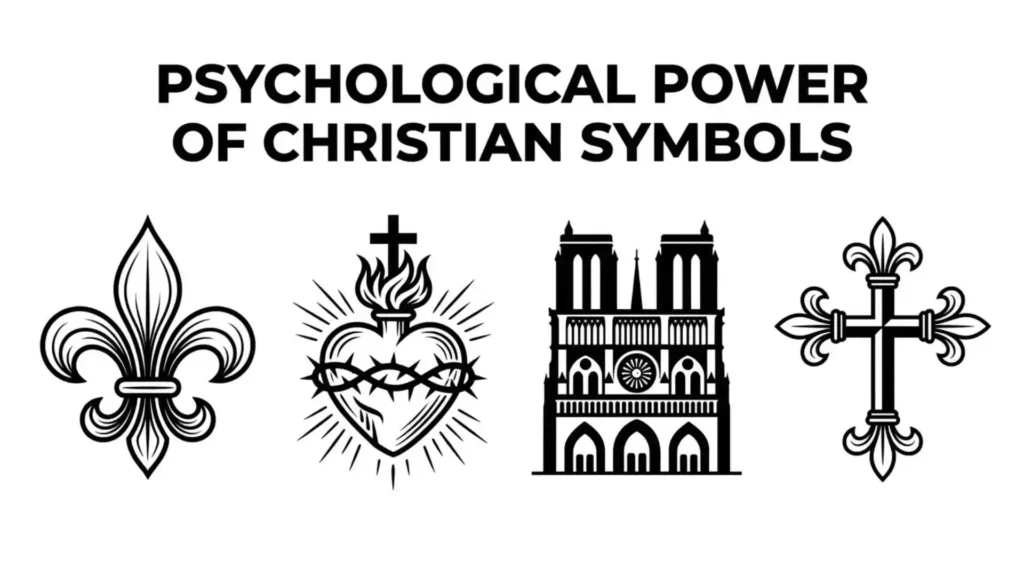
Christian symbols work on a deep psychological level. They act as visual triggers that activate emotions, memories, and beliefs.
- The cross brings comfort during grief
- The dove reduces anxiety and brings peace
- The fish symbol creates a sense of belonging
- The crown of thorns builds emotional empathy
These reactions show how deeply symbols are connected to human psychology and emotional healing.
Frequently Asked Questions About Christian Symbols
1. What are the most common Christian symbols?
The most common symbols include the cross, fish, dove, lamb, and Chi Rho.
2. Why is the cross the most important Christian symbol?
Because it represents the sacrifice and resurrection of Jesus Christ, the foundation of Christian faith.
3. What does the fish symbol mean in Christianity?
It represents Jesus Christ and was used as a secret sign by early Christians.
4. Are Christian symbols the same in all countries?
No, meanings are similar but artistic styles and cultural expressions differ across regions.
5. What is the meaning of the dove in Christianity?
It symbolizes peace, the Holy Spirit, and spiritual purity.
6. Why do people still use Christian symbols today?
They provide emotional comfort, identity, spiritual connection, and cultural tradition.
7. Can Christian symbols be used in modern art?
Yes, they are widely used in modern design, fashion, tattoos, and architecture.
Conclusion
Christian symbols carry deep spiritual, emotional, and historical meaning that continues to influence people across the world. From the powerful cross to the peaceful dove, each symbol tells a story of faith, sacrifice, hope, and divine love. These symbols are not just religious images but living reminders of values that shape human life. In every culture, they adapt while keeping their core meaning alive, making them timeless expressions of belief and identity.

Joseph Walker is a passionate writer and researcher focused on symbols, hidden meanings, ancient signs, and cultural symbolism from around the world. He enjoys exploring the stories and mysteries behind spiritual icons, mythological signs and historical emblems.
He is the author of “The Power Behind Timeless Symbols”. His work helps readers understand the deeper meanings of symbols in a simple and engaging way.
Through his articles, Joseph aims to make symbolism easier to explore for curious minds and modern readers.